
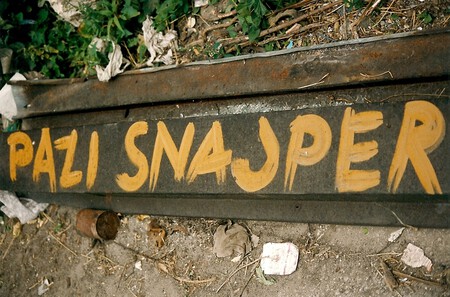
The Dark Reality of Human Safaris During the Siege of Sarajevo
A Grim Chapter in History
From April 1992 to February 1996, Sarajevo endured an unimaginable horror—the longest siege in modern history. For 1,425 days, the city and its inhabitants faced a relentless onslaught from mortars and snipers, resulting in over 11,000 civilian deaths, including 1,601 children. In those harrowing years, the streets of Sarajevo became synonymous with terror and loss, constituting one of the most tragic episodes of the Bosnian War.
The Emergence of Human Safaris
Amidst the agony, a chilling phenomenon emerged: reports of ‘human safaris.’ Recent investigations by the Milan Prosecutor’s Office reveal disturbing claims that wealthy foreigners—armed with rifles—paid significant sums of money to hunt civilians in Sarajevo. This dark pastime transformed war into a grotesque form of entertainment, akin to big game hunting, wherein ethical boundaries were blurred, and human lives became mere targets.
Sniper Avenue: A Name that Haunts
The streets of Sarajevo, including the infamous “Sniper Avenue” (Boulevard Messe Selimovic), were not only battlefields but also scenes of unimaginable brutality. Crossing these streets meant risking death from snipers who had zero regard for civilian life, making them exclusive hunting grounds for foreigners seeking thrills. The tragic story of Admira and Boško, two young lovers killed in full view of this violence, is emblazoned in the city’s memory and serves as a haunting reminder of the human cost of war.
Renewed Investigations and Allegations
Fast forward nearly three decades; the Milan Prosecutor’s Office is actively investigating these allegations of human safaris. Journalist Ezio Gavazzeni, who filed a comprehensive 17-page complaint on the subject, claims that individuals from various Western nations—including Italy, Germany, and France—were involved. The price for participation in these horrors reportedly ranged from €80,000 to €100,000, culminating in a level of cynicism that is both shocking and perverse.
A Whistleblower’s Account
The renewed interest in this shameful episode stems from Gavazzeni’s documentation and interviews with key figures from that era. One such prominent informant, part of the Italian diplomatic mission during the conflict, confirmed the existence of these ‘safaris.’ Even the Italian secret services were aware of the sickening trend yet failed to stem this barbaric tourism before it spiraled into a dark legacy.
Cultural and Societal Implications
The existence of these human safaris has prompted discussions about moral responsibility. How could individuals—who seemingly lead respectable lives—engage in such monstrous actions and then return to normalcy? The investigation by the Milan Prosecutor’s Office aims not just to bring these offenders to justice, but also to reignite conversations about wartime ethics, societal empathy, and the human capacity for cruelty.
Conclusion: Remembering the Past to Change the Future
As investigations unfold, the haunting echoes of Sarajevo’s siege remind us of the fragility of human dignity amidst conflict. The tragic stories of those who suffered should serve not just as a historical lens, but as a moral compass guiding present and future generations. Addressing the dark underbelly of war tourism may compel society to confront uncomfortable truths, ensuring that such atrocities are not forgotten nor repeated.