
The Viral Meme Phenomenon
Social media trends can often seem inexplicable, surfacing overnight and taking the internet by storm. By the summer of 2025, a peculiar meme emerged from Chinese networks, showcasing panoramic views of Chinese cities synced to the iconic BBC countdown intro. This trend quickly captivated audiences, particularly in the West, where many perceived it as a nonsensical viral sensation.
Showcasing China’s Urban Marvels
The meme offered stunning drone footage of various cities, highlighting their rapid development and transformation. Users noted significant changes in cities like Chongqing over just two decades, drawing attention to the remarkable growth and modernization occurring across China. Each video expertly captured the vibrancy and dynamism of these metropolitan areas, creating an impressive showcase of urban life.
The Spark of International Tension
However, beneath the surface of this meme lies a more complicated narrative—one that revolves around international media relations, particularly in regard to the BBC.
The Controversial 2021 BBC Report
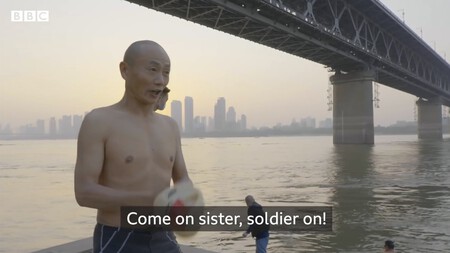
In February 2021, as the world grappled with the COVID-19 pandemic, the BBC released a contentious report titled ‘How Everyday Life Has Changed in Wuhan.’ While it seemed like an ordinary news piece highlighting life in the epicenter of the outbreak, it was published in two distinct versions: the international version in English and a localized version for Chinese audiences.
Many viewers noted that the international version employed a gray filter, lending a somber tone. In contrast, the Chinese edition showcased richer colors, fostering a more positive image of Wuhan.
The Rise of “Gloom Filter” Accusations
Chinese social media labeled the muted filter on the international version as the “underworld filter” or “gloom filter,” accusing the BBC of intentionally portraying China in a negative light. This critical backlash escalated tensions, culminating in the ban of BBC World News in China that same month. The hashtag #GloomFilter began circulating, highlighting frustrations with Western media portrayals of China.
The Rebirth of the Meme
Fast forward to 2025, the meme featuring the BBC intro was creatively repurposed. It now celebrated the vivid brilliance of Chinese cities, deliberately avoiding the shades of pessimism associated with the previous media reports. This resurgence exemplified how a seemingly trivial trend could encapsulate broader geopolitical narratives.
Continued Rivalry with Global Media
The conflict didn’t end in 2021. China’s state media, like Global Times, frequently criticized the BBC, labeling it as “one of the most destructive negative examples in the global media landscape.” Thus, the battle over narrative and representation in media continues to evolve.
Conclusion: The Dual Nature of Social Media Trends
The new meme trend of showcasing China through vibrant imagery serves a dual purpose: celebrating the country’s rapid urban transformation while also acting as a retort to previous media portrayals. The impressive visuals may speak for themselves, yet they are intricately intertwined with a larger discourse on media representation and international relations.
As we witness the evolution of social media trends, it becomes evident that behind every meme, there may be a deeper story waiting to unfold.