
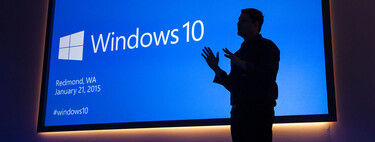
Transitioning from Windows 10 to Windows 11: A Stalled Journey
If you are reading this and are still using Windows 10, you are at risk. A month and a half ago, Microsoft ended the official support period for this operating system launched in 2015. Surprisingly, the expected migration to Windows 11 is not happening.
Dell’s Perspective on User Migration
Dell COO Jeff Clarke recently shared insights during an interview at The Motley Fool. He had anticipated that the end of Windows 10 support would prompt users to install Windows 11 or purchase new PCs. However, his expectations were met with disappointment as the adoption rate lags significantly behind previous generations.
The Current Landscape: 500 Million Potential Upgrades
According to Clarke, there are approximately 1.5 billion devices (PCs and laptops) running Windows. He highlighted a deeply concerning fact: “There are about 500 million PCs capable of running Windows 11 that have not been updated.” Additionally, there’s another 500 million devices that cannot run Windows 11 due to hardware limitations. This situation reveals two critical statistics:
- A third of global Windows users cannot upgrade due to incompatibility.
- An additional third have compatible devices but have chosen not to upgrade.
The “If it Works, Don’t Touch It” Mentality
For many, and especially for businesses, the unwritten rule often becomes, “if it works, don’t touch it.” This mindset is particularly crucial in corporate settings where legacy systems are in place. The fear of potential conflicts and disruptions may discourage users from upgrading, even when a system is at risk.
The Security Risks of Staying on Windows 10
Operating on Windows 10 or earlier versions exposes users to vast security vulnerabilities. These devices could easily fall victim to malware attacks, becoming components of botnets or ransomware threats that can cripple access to vital data. For individual users, these threats are alarming; for companies, the stakes are even higher.
A Path Forward: Encouragement to Upgrade
Optimistically, it is hoped that awareness of the importance of upgrading will grow. On compatible devices, the update process is as simple as clicking “Next” in the installation wizard. For those hesitant to make the switch, there might be a ray of hope.
Workarounds for Incompatible Devices
For devices that do not meet the official Windows 11 requirements—like lacking native support for TPM 2.0—there are methods to ‘trick’ Windows. Utilizing commands or modified versions of the operating system can allow updates even on seemingly incompatible hardware.
Alternatives to Windows: Embracing Linux
If users prefer not to upgrade to Windows 11 for various reasons, alternatives like Linux distributions offer viable options. The popularity of Zorin OS—a fork of Ubuntu—has surged as it gained over a million downloads soon after the end of Windows 10 support. This trend might signal a shift in user preferences towards more flexible operating systems.