
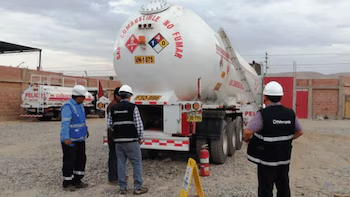
LPG Shortage Alert in Peru: Closure of Zeta Gas Andino
The closure of Zeta Gas Andino, Peru’s second-largest liquefied petroleum gas (LPG) storage facility, has raised alarms about potential fuel shortages and price hikes. According to expert Rufino Mamani, this shutdown can have significant repercussions over the next two months.
Details of the Closure
Zeta Gas Andino, located in Callao, will halt LPG shipments from November 22, 2023, to January 15, 2026 for essential maintenance. This timing coincides with the peak demand season for LPG in the country, a factor that is likely to aggravate the fuel supply situation.
According to the Supervisory Body for Investment in Energy and Mining (Osinergmin), this facility has a storage capacity of 12,000 tons, making it crucial for maintaining supply levels. The only larger facility, Solgas, has a capacity of 16,600 tons.
Possible Impacts on Supply and Prices
Osinergmin has devised a containment plan to address the short-term effects of the closure, aiming to prevent supply disruptions. Other companies are expected to fill the gap left by Zeta Gas Andino during this period. However, Mamani cautions that logistical challenges will lead to increased transportation costs, particularly for suppliers in northern regions, who will now have to relocate to Pisco for reloading.
Mamani predicts that this could lead to higher prices and long queues at fuel stations in the capital, Lima, affecting both residential users and the transportation sector.
Vulnerability of LPG in Peru
LPG stands out as a vulnerable fuel in Peru, primarily due to its import dependency. Mamani emphasized that this reliance puts the country at risk, especially during maintenance periods for major distributors like Zeta Gas Andino. The lack of adequate national storage infrastructure exacerbates this vulnerability. Current regulations call for at least 15 days of storage capacity, yet Peru manages less than three days.
With LPG being the second most utilized fuel in Peru, its scarcity has considerable implications. Households and the transportation sector alike rely heavily on LPG, which is often seen as interchangeable with domestic gas cylinders.
Need for Natural Gas Adoption
The closure has rekindled a debate about the country’s fuel import dependency and the progress on the massification of Natural Gas Vehicles (NGV). Peru possesses ample natural gas reserves, both operational and in reserve, prompting calls for greater governmental support in transitioning to NGV.
Despite existing laws designed to encourage this transition, progress has been sluggish. Mamani urges the new administration, led by President José Jerí, to reinforce the promotion and implementation of natural gas usage across various sectors.
Conclusion and Future Outlook
The ongoing LPG situation serves as a reminder of the vulnerabilities in Peru’s energy landscape. It calls for strategic planning and investment in local resources to reduce dependence on imports and enhance energy security. Moving towards natural gas not only promises a more stable energy situation but also presents significant economic benefits, potentially halving transportation costs compared to gasoline usage.
In light of the current prices—ranging from S/ 5.03 to S/ 9.39 per gallon of vehicular LPG, and up to S/ 69 for a 10-kilo cylinder—the urgency for a robust national energy strategy is clearer than ever.