
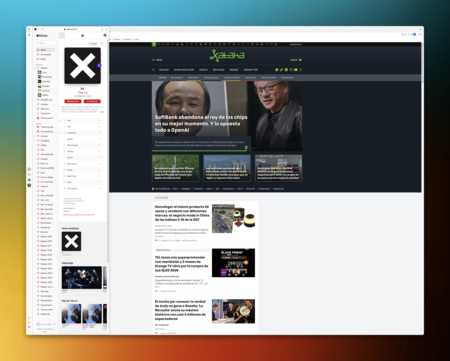
Is Opera Neon the Future of Browsing? An In-Depth Look
I’ve been using Opera Neon for a week now, and it feels like a mix between testing the future of web browsing and participating in a psychological experiment to see how much friction users can tolerate before reverting to their old browser. While Neon offers a glimpse into what could be the next evolution in browsers, it’s clear that there’s still a long way to go.
A Familiar Yet Innovative Framework
Neon comes packed with features that veteran Opera users will appreciate, including side messaging integrations and multimedia panels. Despite its ambitious experimentation with AI, it still fundamentally retains its Opera roots. Designed primarily for multitaskers, it promises a practical and comfortable browsing experience for those glued to multiple platforms.
The Allure of Agentic AI
Opera Neon introduces a fascinating promise: a browser that not only answers questions but takes actions on your behalf. From comparing products to reserving services, Opera brands this as “agentic AI.” Technically, the claim holds; Neon can open tabs, fill forms, and automate comparisons. However, this begs the question: how effective is it?
The Reality Check: Clumsy Execution
Unfortunately, these AI capabilities can be cumbersome and surprisingly overconfident. The experience can often feel unpredictable, leading to frustration rather than convenience. For instance, the “Do” AI, responsible for task execution, often makes questionable decisions. A simple request to add items to a cart can spiral into chaos as it fails to infer important details.
Understanding Neon’s Unique Architecture
To grasp Neon’s potential, it’s crucial to recognize its underlying architecture: it houses three AIs—Chat, Do, and Make—each with a specific purpose.
Chat: The Familiar Communicator
The Chat AI resembles a typical conversational chatbot, designed to answer questions and summarize content. However, it doesn’t always hit the mark, offering verbose responses that sometimes miss the core question.
Do: A Double-Edged Sword
This AI operates in a more ambitious space but can fall short dramatically. Watching it work can be mesmerizing; however, it’s often slow, and the end result can be baffling. For example, I’ve witnessed it freeze when attempting to search for products or fill forms ineffectively, which raises questions about its overall utility.
Make: The Ambitious Performer
On the other hand, the Make AI excels in generating code and simple applications. While it may not be perfect, this function adds a layer of creativity that could be beneficial for specific tasks, like generating educational games.
A Testing Ground Disguised as a Product
After spending time with Neon, it becomes evident that it may not be fully matured yet, resembling more a testing ground than a polished product worthy of its $20 monthly price. It bears the hallmarks of a public beta, filled with structural bugs and often unclear functionality.
The Economic Model
One of Opera’s audacious moves is to position this AI-driven experience as a paid service. This approach contrasts sharply with the industry trend toward free AI tools embedded in browsers. It prompts a fascinating debate: can users trust a browser with their data while paying for the privilege?
Timing is Everything
While Opera makes a compelling case for the necessity of charging for AI-driven efficiency, the timing could not be more puzzling or potentially disastrous. In an age where users are overwhelmed by technology demanding their time and attention, Opera Neon invites users to entrust even more control to automated systems.
Who Should Consider Neon?
Is a $20 monthly subscription to Opera Neon worthwhile? That largely depends on your browsing habits.
For Power Users
If you’re a power user engaging in complex tasks—researching information, generating reports, or comparing products—Neon’s innovative features could save time and offer magic-like shortcuts.
For Average Users
Conversely, if you simply want a browser for casual browsing, there are free alternatives available that will serve you just as well. Neon appears more tailored to enthusiasts and those who thrive on being early adopters.
The Future of Browsing is Looming
In conclusion, Opera Neon embodies a fascinating vision for the future, albeit a vision still in its developmental stages. It raises pertinent questions about trust, usability, and economic models in the realm of web browsing. While it’s currently more of a prototype than a finished product, the ideas behind Neon deserve attention.
The future might just look like Neon, better optimized and with fewer seams showing, arriving at a time when users are more prepared to embrace it. That moment, however, doesn’t seem to be now.