
The Rise and Fall of LG Mobile Phones
It’s been more than four years since LG closed its mobile division, a decision that made financial sense—they kept losing money—but that left some users, including myself, shaken. LG had its particular golden era in the mobile segment, especially at the beginning of the 2010s, when the company became an absolute benchmark in the industry. Notably, Google chose LG two consecutive years to develop and manufacture the Nexus 4 and Nexus 5, which solidified LG’s reputation for innovation and quality.
Innovative Designs That Captured Attention
LG had some fantastic years after launching the LG G2, a device that seemed almost gigantic with its 5.2-inch display. This terminal boasted ambitious features, including hidden physical buttons behind the screen—a design choice that made a notable impact on user experience.
The LG G3 followed suit with more impressive innovations, but it was after this model that stumbles began to occur. LG started producing terminals that were often unpredictable, surprising us each year with design choices that seemed more focused on generating a “wow” effect rather than addressing real user needs.
The Missteps: Trying to Be Different
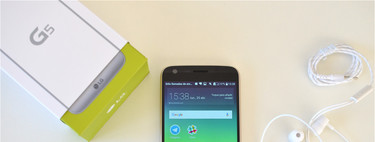
Some of these missteps included the synthetic leather back cover of the LG G4 and the ill-fated modular design of the LG G5. Although these models were bold, they did not resonate with consumers, leading to a sense of disconnect between what LG offered and what users actually wanted. Meanwhile, other series like the V struggled to gain traction, and their mid-range phones faced stiff competition from Samsung and emerging Chinese manufacturers.
A Brave But Unrewarded Strategy
Despite the unfavorable market response, LG valiantly continued down the path of originality. Unfortunately, the world seemed to crave more conventional and “boring” mobile devices. Time and again, LG’s willingness to innovate resulted in indifference from consumers.
Crazy models like the LG Wing, which embraced an adventurous and unique form factor, ultimately contributed to the company’s decline in the smartphone sector. This led LG to surrender to the realities of the market and pivot its focus to thriving divisions, like the development of OLED panels for TVs—a sector in which they have excelled, supplying technology to major companies like Apple.
LG’s foray into mobile phones serves as a stark reminder that innovation and bravery are essential but must align with consumer expectations and demands. As we look back at LG’s journey in mobile technology, it is evident that being different is not always a recipe for success.
For more insights into LG’s unique attempt to revolutionize the mobile industry, check out the Crossover YouTube channel and read about 15 brave LG phones that attempted to change the world but ultimately failed.