
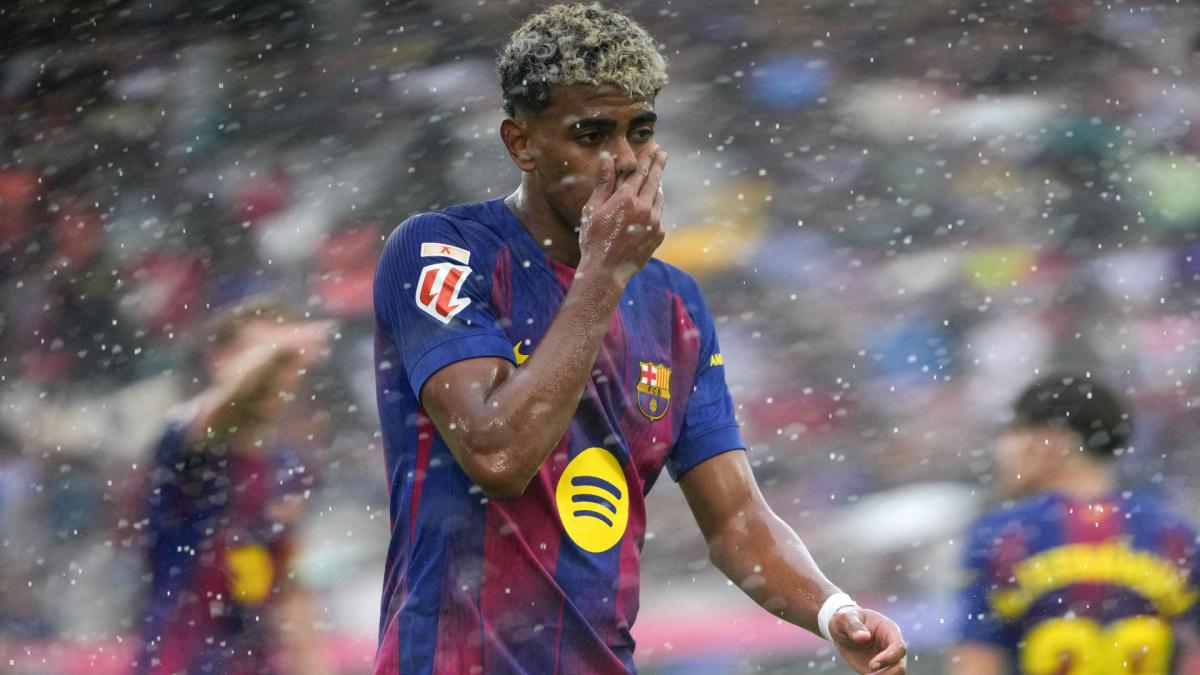
What is Pubalgia?
Pubalgia, often dubbed as the “fashionable injury” in football, refers to persistent pain in the pubis and the surrounding regions of the pelvis. This injury has plagued athletes for decades but has been receiving increased attention lately. It often gets misdiagnosed as simpler groin or adductor issues, leading to prolonged suffering without effective treatment. As Farman Bhatti, a seasoned physiotherapist, describes, “Pubalgia results from an imbalance between the abdominal muscles and the adductors, leading to excessive tension on the pubic symphysis.”
This syndrome is not just an injury; its complexity arises from its overlapping symptoms with other conditions. Benjamin Illouz, an experienced osteopath, points out that “this inflammation can mimic conditions involving the psoas or even referred pain from the back.” Players typically experience discomfort in basic movements crucial for their performance, making pubalgia not just annoying but debilitating.
Why Is Pubalgia On the Rise?
The uptick in reported cases of pubalgia, especially among young athletes, is alarming. Illouz attributes this surge to several factors, including the growing prevalence of synthetic pitches, insufficient core and abdominal training, and the relentless schedule of modern football matches. “The busy FIFA calendar causes players to engage in matches every three days, contributing to overuse injuries,” he explains.
Farman Bhatti emphasizes that this fast-paced environment inhibits proper recovery and treatment of injuries like pubalgia, pushing many players further into chronic pain. Without a strategic approach to individualized training and recovery, the frequency of these injuries will likely continue to escalate.
Treatment Options for Pubalgia
Treatment for pubalgia can be challenging, as traditional methods like rest and anti-inflammatory medications often fall short of resolving the issue. Surgery is sometimes considered but carries a mixed success rate, with many players reporting ongoing pain post-operation. Illouz notes, “Many players mask the pain rather than treating the root cause, leading to longer recovery times and persistent discomfort.”
In terms of successful management, prevention is the best strategy. Bhatti recommends “harmonious strengthening of the pelvic area, regular stretching, and being in tune with your body.” Misinterpretation of the warning signs can lead to chronic issues.
Conclusion
Pubalgia is gaining recognition for a reason: its challenging nature and the implications it holds for professional athletes. As a multidimensional issue that requires a comprehensive response from players, coaches, and medical staff alike, it exemplifies a significant challenge in modern football. Awareness and proactive measures are essential in addressing this complicated injury effectively, ensuring athletes can return to their game without the risk of chronic pain.
As the landscape of football evolves, so too must strategies for injury prevention and treatment, making awareness of pubalgia more critical than ever.