
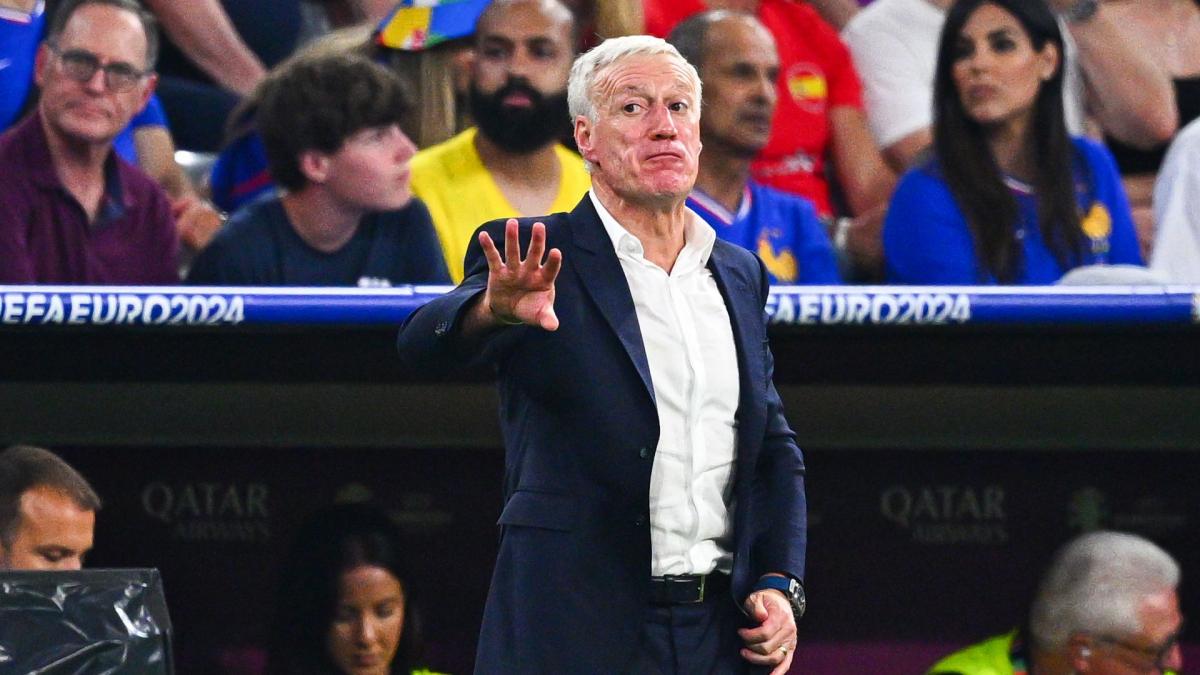
France’s Path to the 2026 World Cup: Deschamps and the Anticipation of the Draw
France concluded its qualification journey for the 2026 World Cup with a convincing 1-3 victory over Azerbaijan. This success not only confirmed their top position in the group but also set the stage for Didier Deschamps to sharpen his focus on logistical preparations for the tournament, scheduled to take place across the United States, Mexico, and Canada.
Planning Ahead: The Importance of the Draw
As the date of the draw on December 5 approaches, all eyes are on Deschamps. The French coach emphasized the pivotal role this draw will play in determining France’s next steps. “I’m starting to get used to it; it’s still a draw,” he mentioned in a recent press conference. He acknowledged that some groups may offer advantages, particularly concerning the proximity of matches and potential weather conditions.
The draw not only dictates the opponents France will face but also influences logistical elements such as choosing their base camp. Deschamps’ keen eye for detail means that, even before the groups are announced, he’s already considering how distances and temperatures will affect the team’s performance.
Deschamps’ Preferences: The Ideal Groups
During his address, Deschamps hinted at specific groupings that appeal to him for strategic reasons. Two groups particularly caught his attention due to their favorable logistics. These groups promise shorter travel distances and possibly milder climates—two factors that could significantly impact player performance.
Group C vs. Group L
Group C presents a scenario where France, as a top seed, would play two matches in Boston and one in Miami. Meanwhile, Group L features games in Toronto and New York. According to Deschamps, the eastern cities offer more temperate weather and are logistically preferable compared to venues located on the West Coast or in Mexico.
Scouting and Final Preparations
Deschamps is also proactive in scouting for the best possible base camp. He plans to send part of his staff out next week to assess different locations. The scouting mission will be critical, as the base camp must provide players with optimal conditions for training, recovery, and team bonding.
By understanding potential opponent locations and the corresponding travel requirements, Deschamps can finalize plans that ensure the team is well-prepared for each match. This detailed approach highlights his coaching philosophy: every small detail contributes to the bigger picture of success on the world stage.
Conclusion: An Eye on the Future
As Didier Deschamps awaits the draw and analyzes his options, the anticipation is palpable. The French national team is positioning itself strategically for what promises to be a challenging but potentially rewarding campaign at the 2026 World Cup. With logistical preparations underway and keen insights on group dynamics, Deschamps is taking measured steps towards making France a formidable contender for the tournament ahead. The world will be watching closely on December 5 as the fate of the French squad is decided at the draw.