
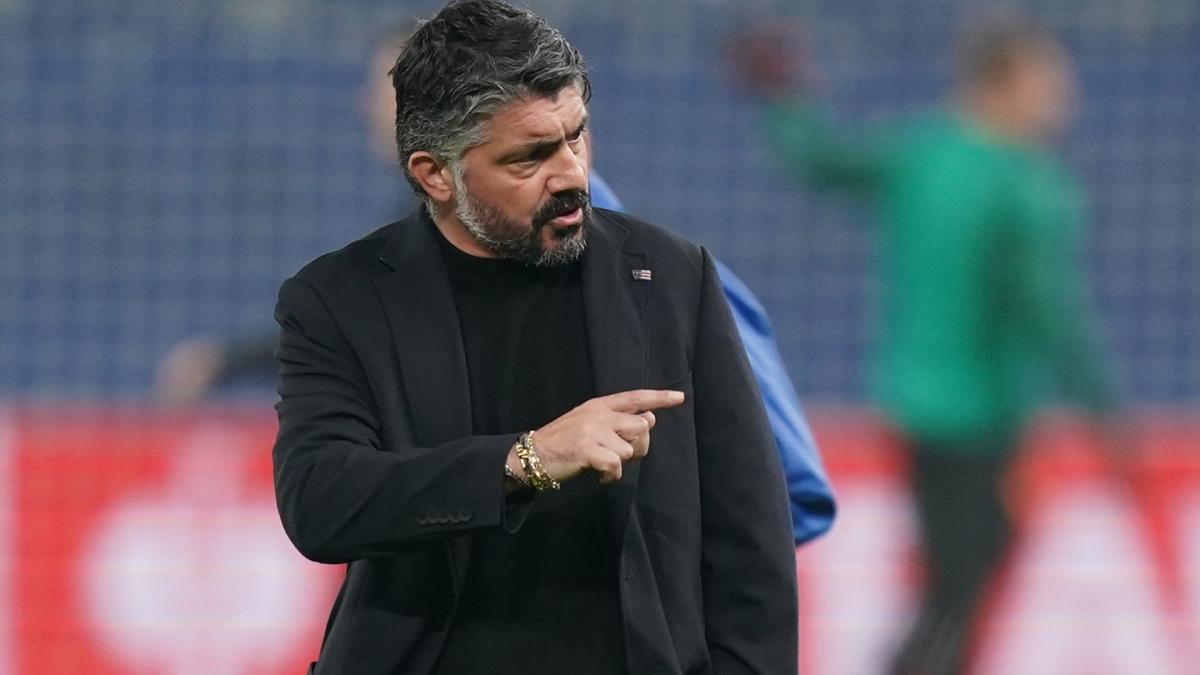
Gattuso Defends His Stance on World Cup Qualification
On the eve of a critical moment for Norway, Gennaro Gattuso has once again stepped into the spotlight, defending his views on the World Cup qualification system. The Italian coach has faced considerable backlash, especially from South America, where his previous comments have been met with harsh criticism. In a recent press conference, Gattuso did not hold back, stating, “I don’t want to talk about it anymore because, afterwards, the press officer, who marks me in the pants, tells me that in South America, they massacre me, they say that I am a crybaby. That’s enough, I don’t want to talk about this anymore, I’ve said what I think.”
The Complexity of Qualifications
Gattuso emphasized the intricacies involved in the qualification criteria for the World Cup. He highlighted that the South American model allows six out of ten teams to qualify directly, while the seventh must face a playoff against a team from Oceania. This crucial distinction points to the differing challenges faced by teams depending on their geographical location.
In his passionate defense, Gattuso underscored the need for a nuanced understanding of international football. He reiterated that his intention was to highlight these structural differences rather than to belittle any region’s footballing capabilities.
Emiliano Martínez’s Response
Following Gattuso’s remarks, Argentinian goalkeeper Emiliano Martínez responded in a somewhat curt manner. He pointed out the disparities in playing conditions between continents, stating, “They always play on perfect, wet pitches… they don’t know what it’s like in South America. There are other complexities here that they don’t see in Europe.” These comments reveal the frustration many South American players feel regarding the narrative surrounding their footballing environment.
A Growing Controversy
The back-and-forth between Gattuso and Martínez has sparked significant conversation, especially within the football community. Gattuso’s annoyance at the criticism reflects a broader challenge faced by coaches and players from different footballing backgrounds: the need for mutual understanding and respect.
As the debate rages on, it is essential to consider that every continent faces unique hurdles. For South America, the weight of historical and infrastructural challenges plays a key role in shaping the game. Conversely, European football can often be seen as more uniform and structured, which can lead to misunderstandings when comparing the two.
Moving Forward: The Need for Dialogue
This ongoing dialogue between Gattuso and Martínez underscores the necessity for open conversations about football’s future. Instead of viewing these differences as points of contention, they should be embraced as opportunities for growth and understanding.
In this ever-evolving landscape of international football, acknowledging and addressing the complexities of qualification systems can only enrich the sport. It is through these discussions that we can hope to build a more inclusive and informed narrative around global football that celebrates its diversity.
Ultimately, both Gattuso and Martínez’s comments highlight the importance of perspective, reminding us that in the world of football, every voice counts. As the World Cup approaches, these discussions will likely continue, shaping the discourse around the event.