
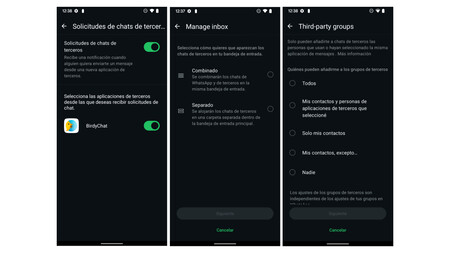
WhatsApp has begun rolling out a groundbreaking feature in Europe: the integration of third-party messaging apps with its platform. This functionality allows users to send and receive messages not only from WhatsApp but also from other messaging apps, all while maintaining end-to-end encryption. This innovative change represents a major evolution in how users interact with the service, moving towards a future where using WhatsApp might not necessarily mean being confined within its own app.
Regulatory Background
This shift toward interoperability isn’t purely voluntary; it’s driven by the Digital Markets Law (DMA) enforced by the European Union. According to WhatsApp’s official blog, Meta’s actions are in response to changing regulations that demand more openness in app ecosystems. The gradual deployment is expected to reach users in EU member states over the coming months.
Enabling the New Feature
To activate this feature, eligible users will soon receive a notification in their WhatsApp settings. The activation process is straightforward: users should navigate to Settings > Account > Third Party Chats and toggle the option on. Once activated, users can choose which external applications to integrate and determine their preferred view mode—a combined inbox or separate inbox for third-party chats.
What Information Is Shared?
When engaging in conversations with third-party apps, users will share their phone numbers. However, WhatsApp clarifies that names and profile photos remain private. To initiate a chat with someone from an external app, users must have the person’s ID on that platform, which could be an email address, phone number, or username.
Current Compatibility and Limitations
BirdyChat and Haiket are the first messaging services to implement this functionality, allowing users to send messages, photos, videos, and documents seamlessly across platforms. However, it’s important to note that, at this stage, the feature currently supports one-on-one conversations only, with plans for future updates to include group chats. Notably, native WhatsApp features, such as stickers and disappearing messages, will not be available in third-party conversations.
Encryption Concerns
WhatsApp assures users that messages sent to third-party users are encrypted during transit, and the platform cannot access these messages. However, Meta warns that other apps might have different data handling practices, so users are encouraged to review privacy policies before engaging with them.
Implications of Blocking
One potential downside is that contacts blocked on WhatsApp could still reach users via third-party messaging apps. According to WhatsApp, anyone with the user’s phone number can initiate a chat, including those already blocked. Users will have the option to block individuals specifically in these external apps, but blocking won’t automatically carry over from WhatsApp.
Availability and Technical Requirements
Currently, this feature is limited to WhatsApp on iPhone and Android devices, meaning that desktop or web versions will not support it yet. Additionally, if a user changes their phone number to one not registered in an EU member state, they will lose access to third-party chat functionalities.
Why This Change Matters
This feature marks a significant turning point for WhatsApp, which has traditionally operated as a closed ecosystem. The ability to communicate with users on different platforms without switching apps can break down barriers, potentially making the messaging app less crucial for users. The hope now is that other platforms like Telegram will adopt similar functionalities, promoting even greater interoperability.