
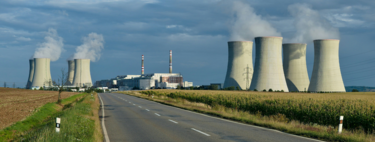
## Bizarre Congressional Vote Maintains Nuclear Closure Schedule
What began as a political strategy by the Popular Party (PP) to extend the operational life of Spain’s nuclear power plants culminated in a surprising and tightly contested vote in Congress. The proposed amendment aimed to eliminate the scheduled closure dates for the Almaraz, Ascó, and Cofrentes nuclear plants. However, it was ultimately rejected by a mere single vote, largely attributed to an unexpected abstention from Junts.
### The Vote Breakdown
The final tally resulted in 171 votes in favor of the amendment (from PP, Vox, and UPN), 171 against, and seven abstentions from Junts, which effectively defeated the proposal. Following this breakdown, the government exhaled a sigh of relief; nevertheless, the crucial dialogue about the future of nuclear energy amidst escalating electricity demand continues to linger.
### What the Rejection Means
The rejection of the amendment had significant political ramifications, yet technically, the situation remains largely unchanged. Had the amendment passed, it would not have automatically extended the operational life of the nuclear plants; rather, it aimed to modify ministerial orders without necessitating the mandatory report from the Nuclear Safety Council (CSN), which is required by law.
A striking precedent recalled from 2012 highlights that the PP once demanded such a report when discussing the Garoña plant. Additionally, the attempt to incorporate an energy theme into a law primarily related to sustainable mobility sparked further unrest among the government’s coalition partners.
### Current Nuclear Shutdown Schedule
No changes have been made to the nuclear shutdown calendar established in 2019, which states:
1. Almaraz I: Closure in 2027
2. Almaraz II: Closure in 2028
3. Cofrentes: Closure in 2030
4. Ascó I and II: Between 2030 and 2032
5. Vandellós II and Trillo: Until 2035
Nonetheless, rejection of the amendment does not eliminate the possibility of operators requesting extensions. As noted by government officials, the ability to request extensions does not hinge on ministerial orders but is governed by existing regulations.
### Navigating Bureaucratic Challenges
The looming bureaucratic challenges present significant hurdles. The CSN takes up to a year to issue essential reports, while current regulations require plants to request closure by March 2026 if no changes are made to the existing calendar. This could lead to scenarios where a plant like Almaraz would seek to close while awaiting a pivotal evaluation, creating unforeseen uncertainty surrounding Spain’s nuclear transition.
### Financial Viability and Future Outlook
The government envisions a future bolstered by renewable energy, yet achieving this goal may become complex. Current legislation dictates that nuclear energy must not impose costs on citizens, ensure safety, and maintain supply security—all while electricity companies assert that continuation of plant operations beyond 2027 is economically unfeasible without alleviating the existing tax burdens that influence consumer bills.
Furthermore, the dismantling fund overseen by Enresa covers only 43% of the true costs, leaving a financial void that complicates discussions surrounding deadlines and potential operational extensions.
### The Underlying Debate
Ultimately, the crux of the matter transcends mere political maneuvers; it involves technical and logistical planning regarding Spain’s energy future. While citizens and industries are clamoring for guarantees, the government continues to navigate through challenges that haven’t yet reached resolution.
An official closure of the debate may have occurred in Congress, but the conversation surrounding nuclear energy remains a live topic filled with complexity and implications for the entire nation. The question is no longer simply about extending plant lifespans; it’s about addressing the wider ramifications of waste management, rising operational costs, and the readiness of Spain’s energy grid.
—
Through this lens, the bizarre vote not only shapes the immediate energy landscape but also sets the stage for deeper discussions about sustainability, innovation, and the role of nuclear energy in achieving a cleaner and more stable future.
## Conclusion: An Open Debate
As this dynamic landscape continues to evolve, it becomes increasingly clear that the decision-making process will unfold not just within the walls of Congress, but also in the realms of engineering, finance, and strategic planning. Ultimately, it’s here that the future of Spain’s nuclear energy will be accurately determined.