
1. Stay calm and report the issue immediately
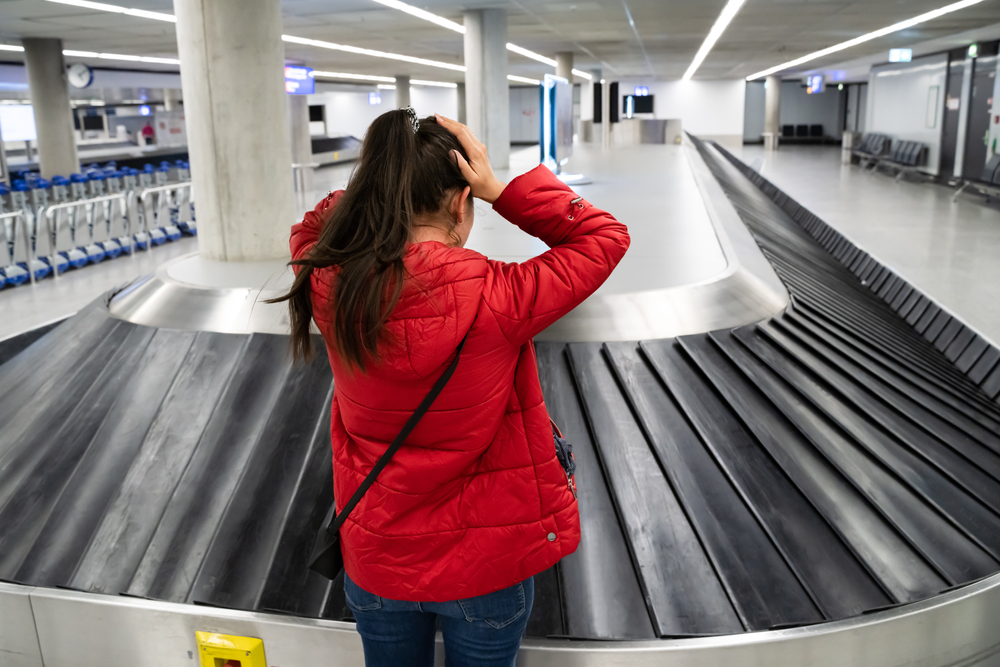
The first thing to do when you discover an issue with your baggage is to stay calm. While it’s understandable to be frustrated, reacting impulsively can make it harder to resolve the problem. Whether your bag is delayed, damaged, or missing, report the issue to the airline immediately. Most airports have dedicated baggage service counters where you can file a report. Make sure you provide all necessary details, including your flight information, bag description, and baggage claim tag number.
The sooner you report the issue, the sooner it can be addressed. The airline will often begin searching for your bag and take steps to resolve the situation.
2. Know your rights for compensation
In some cases, airlines are required to provide compensation when baggage issues arise. This includes situations like delayed baggage, damaged luggage, or even lost bags. For example, if your bag is delayed for a significant amount of time, you may be entitled to compensation for baggage delay. This could cover essential items like toiletries or clothing until your bag is returned to you.
It’s crucial to understand the guidelines surrounding baggage claims and compensation. Each airline has its own policy, but international regulations often mandate compensation for delays exceeding a certain time frame. Be sure to ask the airline about their specific policies, so you know your rights and what you’re entitled to.
3. Keep all documentation
When dealing with baggage issues, keeping thorough documentation is essential. This includes receipts for any purchases made due to the inconvenience, like clothing or toiletries. Make sure to keep a copy of the report you filed with the airline, as well as your baggage claim tag and boarding passes.
This documentation will be necessary if you need to claim compensation or reimbursement from the airline later. The more organized you are, the easier it will be to resolve the issue and get the compensation you deserve.
4. Take photos of damaged baggage
If your luggage is damaged, it’s crucial to document the damage with clear photographs. Take pictures of the exterior and interior of the bag, as well as any items inside that may have been damaged. This will help you file a more effective claim with the airline, as they will have the evidence needed to process your request.
Most airlines have a specific timeframe within which you must report damage to your luggage, so it’s important to act quickly. If you fail to report the damage in time, you may not be eligible for compensation.
5. Stay in touch with the airline
During your travels, especially if your baggage has been delayed or lost, staying in touch with the airline is crucial. Many airlines offer online tracking systems for lost luggage, which you can check regularly for updates. If you’re still at the airport, ask the airline representatives for any updates on your bag’s status.
Airlines are often proactive in providing updates via email or text message if your bag is delayed, so make sure they have the correct contact information for you. If you’ve already left the airport, call the baggage service center for updates.
6. Make sure your bag is properly tagged
To prevent baggage problems in the first place, always make sure your bag is properly tagged at check-in. This includes ensuring the tag is securely attached and that the information on it is correct. Double-check that your contact details, flight number, and destination are accurate.
If your bag is properly tagged, it’s much more likely that it will be reunited with you quickly if any issues arise. You can also consider adding a unique identifier to your bag, such as a distinctive ribbon or tag, to make it easier to spot in case of confusion.
7. Consider travel insurance for baggage issues
For added peace of mind, consider purchasing travel insurance that covers baggage delays, losses, or damage. While many airlines offer compensation for baggage issues, travel insurance can provide additional protection, including reimbursement for things like shopping for replacement clothing or toiletries.
Travel insurance policies vary, so make sure to review the coverage details before purchasing. If you’re a frequent traveler, investing in a comprehensive travel insurance plan can save you a lot of stress in the event of baggage-related issues.
Baggage problems can be one of the most stressful aspects of traveling, but with the right knowledge and approach, you can handle them effectively. By staying calm, knowing your rights, keeping thorough documentation, and staying in contact with your airline, you can minimize the disruption caused by baggage issues. Additionally, if you’re entitled to compensation, such as compensation for baggage delay, make sure to file a claim promptly.
Taking these steps can help you navigate the baggage challenges that may arise, allowing you to focus on enjoying your trip instead of dealing with unnecessary stress. Safe travels!
Ultimately, effectively managing baggage problems while traveling comes down to preparation, awareness, and proactive action. While luggage delays, damage, or loss can disrupt even the most carefully planned trips, understanding the steps you can take to address these issues empowers you to handle them calmly and efficiently. Staying composed when a problem arises is more than just a mindset—it sets the tone for how quickly and smoothly the situation can be resolved. Promptly reporting any issue to the airline and providing accurate, detailed information ensures that your case is handled with the attention it deserves.
Equally important is knowing your rights regarding compensation for baggage issues. Whether it involves delayed, damaged, or lost luggage, airlines are often required to provide reimbursement under international regulations. Familiarizing yourself with these guidelines allows you to assert your entitlements confidently. Keeping meticulous documentation, from receipts for replacement purchases to photographs of damaged items, strengthens your claim and reduces the likelihood of delays or disputes. Organized records not only facilitate communication with the airline but also provide the concrete proof necessary to secure compensation efficiently.
Maintaining consistent communication with your airline further supports a smooth resolution. Whether through tracking systems, email updates, or direct conversations with customer service representatives, staying informed keeps you in control of the process and allows you to respond promptly to any developments. In addition, preventive measures – such as properly tagging your luggage with correct contact details and unique identifiers – significantly reduce the chances of misplacement and simplify recovery should an issue arise.
Another layer of security comes from considering travel insurance. While airlines may offer compensation, insurance coverage often provides broader protection, reimbursing essential purchases and offering peace of mind in unforeseen circumstances. For frequent travelers, this investment not only mitigates financial loss but also alleviates stress, allowing for a more relaxed travel experience.
Ultimately, addressing baggage problems effectively transforms a potentially frustrating situation into one that can be managed with confidence and clarity. By combining preparation, awareness of your rights, thorough documentation, proactive communication, and strategic safeguards like travel insurance, travelers can navigate challenges without letting them overshadow the joys of the journey. Even when disruptions occur, a well-informed and methodical approach ensures that your rights are protected, compensation is pursued when appropriate, and the overall experience remains as seamless and enjoyable as possible. In this way, travelers reclaim control, turning a common travel setback into an opportunity to demonstrate resilience, planning, and informed action.