
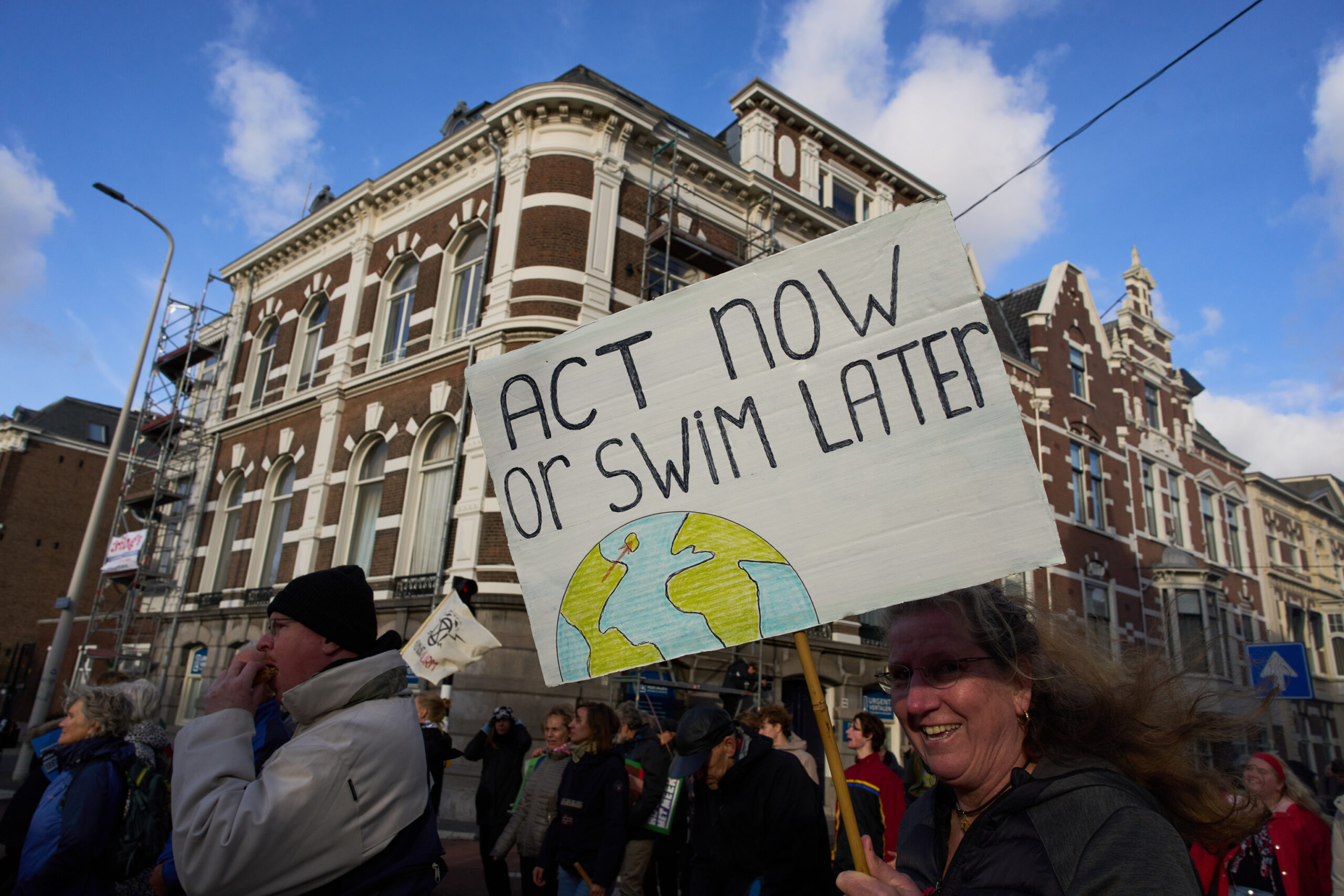
The climate crisis on Earth is accelerating at an alarming rate. A new report published in *BioScience* warns that the planet is nearing climate chaos due to global warming. This document, a collaboration between research centers from various countries, reveals that 22 out of 34 “vital indicators” have reached alarming and unprecedented levels. Many of these indicators are not only not improving but continue to exhibit negative trends.
Vital Indicators of Climate Change
The authors refer to “vital indicators” as crucial parameters related to human activities and their associated climate responses . This includes energy consumption , greenhouse gas (GHG) emissions and concentrations, global temperature changes, ice mass evolution, ocean conditions, and extreme weather patterns. They rely on global data from the Intergovernmental Panel on Climate Change (IPCC).
The analysis confirms that in 2024 the planet experienced its hottest year on record (and likely in at least the last 125,000 years ), marking what researchers term an “escalation in climate turmoil.” The report underlines the risks of a potential domino effect , which may start once a tipping point of global warming is reached.
Consequences may include the collapse of the Atlantic Meridional Overturning Circulation . Disruption of this current, which transports warm water northward and cold water southward, could “trigger abrupt and irreversible climate disturbances,” according to the authors. This may also lead to drastic changes in regional weather patterns, such as the intensification of droughts and floods and the reduction of agricultural productivity in key regions.
Extreme Weather Events
The report notes that extreme weather events have risen significantly in 2024 and 2025. Up until August of this year, the wildfire season in the European Union was already the longest on record, with over one million hectares burned. The loss of tree cover related to wildfires has hit historic highs .
Despite the grave threats hanging over the planet, scientists emphasize that “climate change mitigation strategies exist, are cost-effective, and are urgently needed.” Ranging from forest protection and renewable energy to plant-rich diets, we can still limit warming if we act boldly and swiftly, according to the report, which was published just days before the COP30 in Brazil .
Food Systems, Biodiversity, and Renewable Energy
In this context, the document explores action groups with the most significant impact on climate, including decarbonization strategies across various sectors such as energy, biodiversity, and the global food system. Specifically, the rapid reduction of fossil fuels is forecasted to be one of the largest contributions to climate change mitigation. Renewable energy sources could supply up to 70% of the world’s electricity by 2050 .
AP
Other highlighted strategies include reducing food waste , which represents approximately 8% to 10% of global GHG emissions . Transitioning to diets richer in plants can substantially reduce emissions while promoting human health and food security.
Additionally, protecting and restoring ecosystems like forests, wetlands, mangroves, and peatlands could eliminate or avoid around 10 gigatons of carbon dioxide emissions by 2050 . This is equivalent to saving about 25% of current annual emissions while also benefiting biodiversity and water security.
Economic Implications and Collective Action
The report states that “the cost of mitigating climate change is likely much lower than the global economic damages that could result from climate-related impacts,” emphasizing that every fraction of a degree of warming avoided is vital for human and ecological well-being.
Even small reductions in temperature increases can significantly lower the risks of extreme weather events, biodiversity loss, food and water insecurity, and surpassing climate tipping points. “It’s not too late to limit the damage, even if the temperature mitigation target set by the Paris Agreement of 2015 is not achieved,” William Ripple highlights.
The authors stress that delaying climate action incurs greater costs and more severe impacts , whereas swift, coordinated measures can yield immediate benefits for communities and ecosystems worldwide. They underline the power of collective action and note that sustained, non-violent citizen movements, even at a small scale, can influence norms and public policies. This underscores a crucial path forward amid political impasse and ecological crisis. “We also need popular movements advocating for a just and equitable phase-out of fossil fuels and minimizing the financial and political influence of the hydrocarbon industry,” concludes the scientist.