
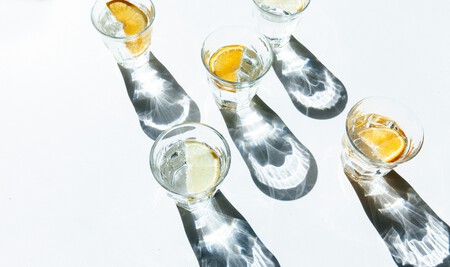
The Rise of Premium Water: A New Class of Beverage
If there are wine lists, sommeliers specializing in liquor, and individuals willing to spend hundreds of euros on bottles of whiskey and vodka, why shouldn’t the same apply to water ? While it may sound strange, considering that water is by definition a “tasteless” liquid, there has emerged a premium market that is rapidly expanding and aims to mobilize more than $56 billion in just a few years.
Changing Alcohol Consumption Trends
Curiously, this phenomenon coincides with a decline in alcohol consumption among younger generations, who are increasingly looking for healthier alternatives. In fact, many companies have noticed a glaring gap in the beverage market that is ripe for exploration.
What is Premium Water?
Yes, premium water exists. It may not be as well-known or widespread as wine or beer, but a quick search proves otherwise. The premium water market is currently in a phase of expansion around the globe, and countries like Spain are not exempt from this trend.
Global Demand and Local Trends
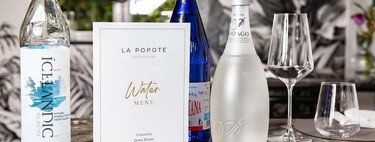
The demand for premium water is not as high as for other beverages, but it is steadily gaining traction. Media outlets, including The Wall Street Journal and others, are starting to report on this growing market, featuring bottles priced from $11 to $95 , and even more exorbitant prices for rare waters. Some establishments have extensive H2O menus along with sommeliers who specialize in water.
Market Insights
Recent studies, particularly one published by Research & Markets , project that the market for premium bottled water, valued at approximately $36.2 billion last year, will grow at a compound annual rate of 7.5% , exceeding $56 billion by 2030. In places like Los Angeles, some restaurants have reported annual water sales reaching $100,000 . This includes offering premium waters sourced from locations as far as Australia and Armenia, while still providing complimentary tap water to customers.
Is This Becoming Common?
While the premium water market is indeed growing, it is still in its early stages compared to more established beverages like wine and whiskey. As The Wall Street Journal notes, only a handful of restaurants in the US currently offer specialized water menus. Similar trends are emerging in countries like Italy, Denmark, the UK , and Spain .
In fact, a notable restaurant called O Lar do Leitón in Ourense, Spain , is recognized for having the most extensive water menu in the world. Their complete H2O menu is available for viewing online and showcases a unique selection of premium waters.
Not Just for Restaurants
The fascination with premium waters extends beyond the restaurant industry. Sommeliers , specialized platforms, and even international competitions are emerging, focusing solely on this new category of beverage. Recently, an event held in Atlanta showcased over 100 waters from 35 countries , judged by experts who assessed them based on aroma and taste.
What Inspires This Boom?
The question looms: why this burgeoning interest in water? One explanation revolves around a health-conscious generation that is becoming increasingly less interested in alcoholic beverages. This shift is exemplified by brands like Liquid Death , which have successfully marketed canned water and amassed a valuation of $1.4 billion .
Water’s appeal lies in its mineral content and the *dissolved solids* (like sodium and magnesium) that provide subtle flavor differences. These variances can significantly enhance the dining experience, creating unique pairings with food.
Conclusion
It may seem peculiar to devote such attention to a seemingly mundane liquid, but the premium water market reflects changing consumer preferences and an evolving perception of beverage culture. As more people prioritize health and mindful consumption, the demand for premium water will likely continue its upward trajectory.
Images | Manki Kim (Unsplash) and Chris Ralston (Unsplash)