
The Rise of Non-Alcoholic Beer: A Changing Landscape in Germany and Beyond
“Only idiots drink non-alcoholic beer.” This provocative statement came from a young German named Louis Shirmer, illustrating the evolving perception of beer in Germany. When one thinks of beer, especially in the context of culture and tradition, Germany often stands out as a leading consumer. However, there is a notable shift occurring: Europe is increasingly embracing non-alcoholic beer, and this trend is catching on robustly in Germany.
Trend. The non-alcoholic beer market is experiencing a remarkable growth trajectory, fundamentally transforming what was once a marginal segment of the global beer industry. Just a decade ago, options for non-alcoholic varieties were few, primarily catering to a niche audience. Today, however, the market is expanding at an impressive rate, with estimations indicating it could reach nearly $44 billion by 2035. In this new landscape, 0.0% alcohol beers have increased in variety and availability, appealing to a wider audience.
Beyond Fashion. Societal changes are influencing consumption patterns, particularly among younger generations. Surveys indicate that a significant proportion of millennials and Generation Z consumers are opting for non-alcoholic versions of their favorite beers. This shift corresponds with the rise of lifestyles termed “sober curiosity” and “damp drinking,” aiming for moderation rather than abstinence altogether. This trend reflects a heightened awareness of health and wellness, as well.
According to the World Health Organization, alcohol is responsible for over three million deaths annually, accounting for 5.3% of global deaths. The growing health consciousness among younger consumers, combined with improvements in the taste and quality of non-alcoholic beers, has led to increased acceptance of these products. Evidence shows that alcohol consumption is declining, particularly among younger demographics, paving the way for non-alcoholic options.
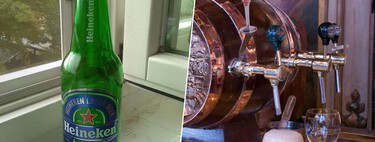
What the Industry is Doing. In light of these changes, breweries are responding strategically to keep consumers engaged. The Spanish Ministry of Agriculture indicates in a recent report that alcohol consumption is stagnating, prompting brewers to invest heavily in their non-alcoholic offerings. Heineken, for example, has made substantial investments in its Heineken 0.0 brand, reflecting a broader trend among industry giants.
AB InBev, a leading name in the beer world, anticipates that by the end of this year, 20% of its global beer volume will consist of non-alcoholic options. In Germany, non-alcoholic beers currently make up 9% of beer production , with expectations for growth into the double digits. Conversely, Spain leads Europe, with estimates suggesting that 15% of beer consumed is non-alcoholic, reflecting a cultural shift among Spanish consumers.
In Belgium, non-alcoholic beer now represents 5% of total consumption—a notable increase of 24.3% since 2021. A recent festival even reported an 800% increase in sales of non-alcoholic beer compared to the previous year. As countries adapt to these trends, the acceptance and availability of non-alcoholic options will continue to rise.
Beer Without Getting Drunk. While well-established breweries are pivoting towards creating non-alcoholic alternatives, newer brands, such as Athletic Brewing , are carving out a niche by focusing exclusively on alcohol-free products. As a leading name in this segment, Athletic Brewing underscores the potential of the alcohol-free market in the United States, the world’s second-largest beer consumer.
Importantly, non-alcoholic beer can retain the flavor profile and beneficial properties of cereals without the negative consequences associated with alcohol consumption. Scientists, including David Nutt , are researching methods to create a beer that maintains the social benefits of traditional beer—such as reducing inhibitions—without the risks of addiction or aggressive behavior.
Not Just Beer. This trend isn’t limited to beer; the broader alcohol category is also witnessing significant changes. The purchase of alcohol in general has dropped 20% since 2000, while the alcohol-free beverage market has more than doubled in just the past three years. There is a growing investment in the dealcoholized segments of both wine and spirits, signaling that this shift is likely to stay.
As we reflect on this changing landscape, it appears that non-alcoholic beer is not simply a passing fad. It represents a broader cultural shift towards health-consciousness and modern consumption patterns, signaling that the tastes of consumers continue to evolve in unexpected ways.