
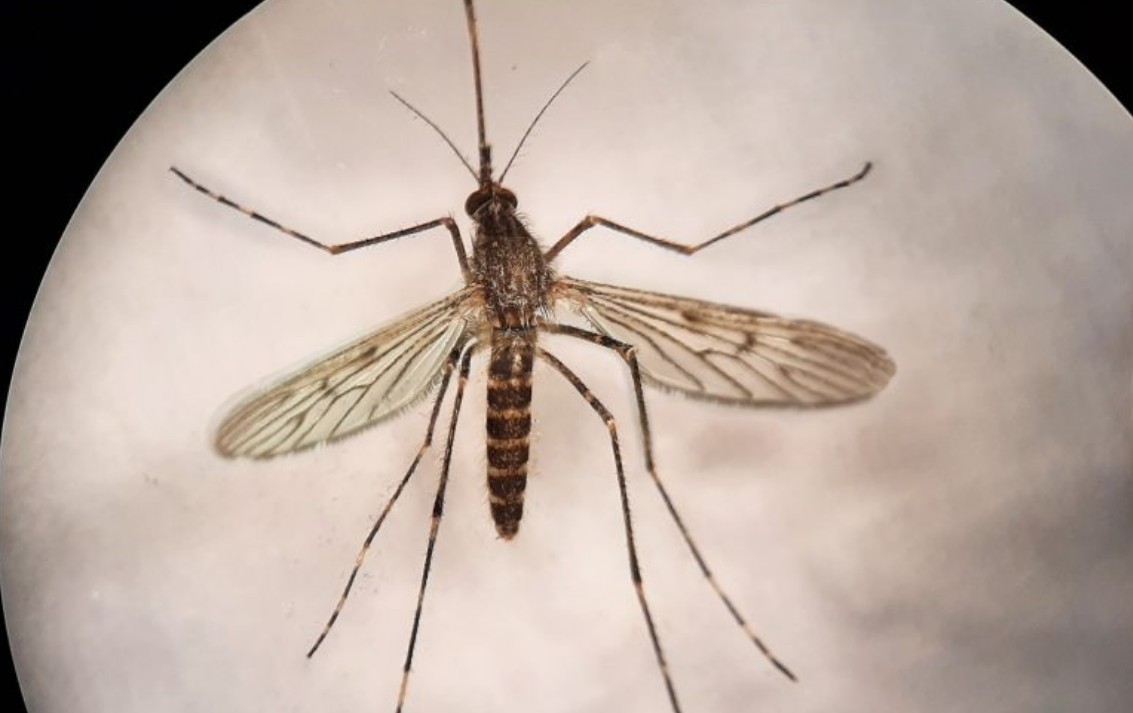
Iceland, renowned for its pristine landscapes and being one of the few places on Earth without mosquitoes , has recently reported an unexpected visitor. For the first time, these pesky insects have been detected on the island. Matthias Alfredsson, an entomologist at the Icelandic Institute of Natural Sciences, confirmed that three mosquitoes—two females and one male—were found about 30 kilometers north of the capital, Reykjavik.
A mosquito of the species Culiseta annulata.Guadalquivir Mosquito Observatory
The mosquitoes were collected using a technique where researchers used wine ropes to capture insects. This innovative method involves adding sugar to mulled wine and soaking ropes in the solution, which are subsequently hung outdoors. The attractive aroma draws various insects, including the recently discovered mosquitoes of the species Culiseta annulata.
Iceland, alongside Antarctica, has historically remained one of the last bastions of mosquito-free zones globally. Researchers had assumed that the climate and geographical isolation of these regions kept them devoid of these annoying insects. However, Alfredsson noted that the recent findings are not entirely unprecedented; a single specimen of another species, Aedes nigripes, was previously discovered at Keflavik Airport. Unfortunately, that specimen is now thought to be lost.
Alfredsson pointed out that the entry of mosquitoes into Iceland might suggest a recent introduction, likely through maritime activities involving ships or containers. This raises concerns that mosquitoes could potentially spread across the island if their presence proves not to be an isolated incident.
The ability for these insects to thrive in Iceland’s climate is linked to climate change , with rising temperatures contributing to longer summers and milder winters—factors that typically favor mosquito populations. Yet, Alfredsson emphasized that the emergence of Culiseta annulata does not solely hinge on global warming, as this species has exhibited adaptations for cold climates. Its ability to hibernate as an adult allows it to endure the prolonged, harsh winters typical in Iceland, where temperatures frequently dip below freezing.
This adaptability strengthens the species’ chances for survival in Iceland, as it can exploit diverse breeding habitats that may emerge due to changing ecological conditions. As Alfredsson pointed out, the species has been found thriving across much of Europe, showcasing an impressive ability to persist even in challenging environments.
As researchers prepare for additional monitoring, they will likely focus on the upcoming spring to assess whether the mosquitoes manage to establish a sustainable population in the region. This could lead to significant ecological shifts and generate conversations about the implications for the local wildlife and human communities.
The potential establishment of mosquitoes in Iceland represents a turning point not only for the island’s ecological balance but also for the broader discussions surrounding climate change and its impacts on natural habitats. Further studies will be crucial in determining how these changes shape the landscape of Iceland and whether the arrival of these insects heralds a new age for the unique environment that has long remained sheltered from their bites.