
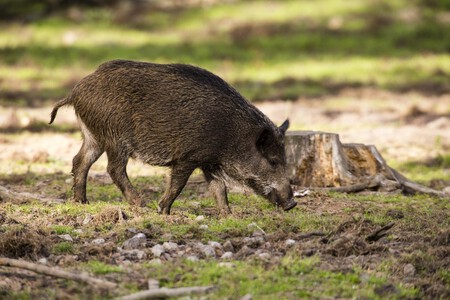
Galicia, a region in northwest Spain, is renowned for its rich agricultural heritage , particularly its livestock, which rightfully earns it the title of ‘cow country’ . However, a new challenge is emerging that threatens this idyllic scene: the wild boar . The population of wild boars in Galicia has surged dramatically, leading to numerous complications, such as damage to farmland and an uptick in traffic accidents. In response, the Xunta (the regional government of Galicia) is taking drastic measures to control this burgeoning population.
Recently, the Xunta declared a “temporary hunting emergency,” a phrase that may sound bureaucratic but holds significant implications for hunters and agricultural workers alike. Essentially, this declaration allows for free hunting of wild boars in more than 250 municipalities , with no restrictions on the number of animals that can be culled. The measure aims to tackle the thousands of wild boars that currently populate the rural and peri-urban areas of Galicia.
This recent action is part of a broader strategy by the Xunta to combat the increasing problems attributed to the wild boar population. The Department of Rural Affairs has cited the need for immediate action, particularly as wild boars have been responsible for significant agricultural damage and increased traffic hazards. The Xunta reported an alarming trend: in recent years, these wild animals have encroached increasingly into urban areas, which further complicates the issue.
According to statistics, there may be around 180,000 wild boars residing in Galicia, which translates to approximately 6.9 boars per square kilometer . This density presents significant challenges for coexistence among wild boars, agricultural fields, and the general public, who are often involved in accidents related to wildlife on the roads.
The Xunta’s declaration enables hunters to target and eliminate wild boars without limits until February 2026 in the declared municipalities. The hunting regulations differentiate between “hunting” and “non-hunting” lands, with varying requirements for each area. In designated hunting areas, boar hunting can occur daily, although specific guidelines must be adhered to protect both farmers and hunters, such as prioritizing adult females.
The ongoing issues caused by the wild boar population have financial ramifications as well. In 2024, the Xunta invested over 4.1 million euros to compensate farmers whose crops were damaged due to the wild boars. This financial burden is exacerbated by additional costs incurred for preventive measures that have risen to 4.6 million euros within the same timeframe. These costs reflect the increasing strain of wild boars on both agricultural endeavors and public safety.
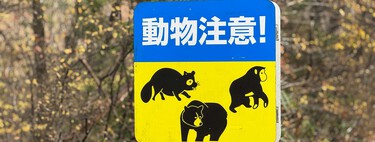
Farmers and landowners have increasingly reported damage to crops , which has prompted the government to act. The declaration of a temporary hunting emergency may not be a permanent solution, but it certainly reflects the urgency of addressing the wild boar issue in Galicia. Moreover, the high density of wild boars, coupled with the risk of disease transmission such as African swine fever , poses a severe threat to local agriculture and public health.
The Xunta’s response, while considered exceptional , indicates a shift in how wildlife management is perceived in Galicia. Previous declarations of a similar nature suggest that the wild boar population continues to pose significant challenges, evidenced by repeated calls for emergency measures since 2019 . While the most recent measures cover fewer municipalities compared to previous years, the implications remain significant for both wildlife and human populations.
In conclusion, the actions taken by the Xunta represent a critical effort to mitigate the increasing impacts caused by wild boar populations in Galicia. As the situation continues to develop, the long-term effectiveness of such measures remains to be seen, along with their ramifications for both the local ecosystem and the agricultural economy.