
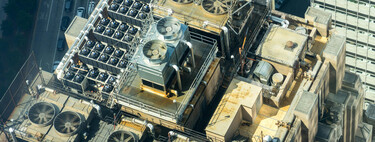
The Rise of AI Data Centers and the “Bring Your Own Power” Movement
AI data centers have ushered in an unprecedented demand for electricity, compelling companies to explore innovative solutions such as the “bring your own power” strategy. This approach stems from the realization that the energy consumption of these facilities is towering, prompting them to create independent power sources rather than rely on existing grids. The trend is not merely theoretical; it’s evident in major projects across the United States.
The data centers that tech giants like OpenAI and Oracle are establishing in West Texas are prime examples of this trend. Each facility is complemented by a natural gas power plant, highlighting the lengths to which companies will go to ensure a reliable energy supply. Similarly, xAI’s Colossus 1 and Colossus 2 in Memphis utilize gas turbines, while several Equinix data centers across the nation operate on stand-alone fuel cells. This shift signifies a radical change in energy sourcing for data centers: if conventional power grids cannot meet their needs, alternative solutions will be constructed.
The Electrical Crisis in the United States
The United States faces a significant electrical problem. While many tech firms would prefer to draw power from the traditional grid, they encounter numerous obstacles, including bureaucratic delays, permit challenges, and insufficient transmission infrastructure. According to a report by the ICV firm, in order to keep pace with the soaring demands of AI technology, the country needs to add approximately 80 GW of new generation capacity per year. Currently, however, the rate lags at under 65 GW annually. This discrepancy results in increased electricity bills for consumers and businesses alike.
The soaring requirements for power are transforming data centers into colossal entities. The ambition of AI companies means that certain data centers now consume as much electricity as 10,000 Walmart electronics stores, as reported by the Wall Street Journal. Before 2020, these facilities constituted less than 2% of the total U.S. energy consumption; however, projections indicate that this could surge to 12% by 2028. For context, a single 1.5 GW data center could use as much energy as the entire city of San Francisco, home to around 800,000 residents.
Comparative Advantages: The U.S. vs. China
While the U.S. grapples with its electrical shortages, China continues to invest aggressively in generating capacity. In 2024 alone, China added a staggering 429 GW of new energy generation, compared to a mere 50 GW in the United States. Although it is true that China has a population four times larger than that of the U.S., its centralized planning has allowed it to effectively address energy demands, contrasting sharply with the complications facing the U.S. electrical grid.
To combat the dire energy shortage, many companies in the U.S. have turned to natural gas as the preferred solution for on-site energy generation. Unlike large turbines, which often have extensive delivery times, smaller gas turbines and fuel cells are now favored due to their quick availability and installation capabilities.
Challenges for Renewable Energies
The outlook isn’t particularly optimistic for renewable energies either. While there are around 214 GW of potential new generation sources theoretically in the pipeline, investment in these technologies may decline due to looming uncertainties over tax credits. Critics argue that renewable energy sources, particularly solar and wind, fail to provide the consistent power necessary for the operational needs of AI systems.
The Nuclear Alternative: Compact Reactors on the Horizon
In light of diminishing interest in traditional nuclear power, there has been a burgeoning interest in Small Modular Reactors (SMRs). These compact reactors offer several advantages, including the flexibility required to meet the energy demands of modern AI data centers. Major tech companies, including Amazon, Google, Meta, and Microsoft, have begun to invest in nuclear energy, acknowledging its potential role in their future energy strategies. However, numerous challenges still remain on the path to implementing nuclear solutions.
As AI and technology continue to evolve, the quest for reliable energy will only intensify. It’s essential for stakeholders to recognize the changing landscape and adapt accordingly to ensure a sustainable future for both the industry and the planet.