
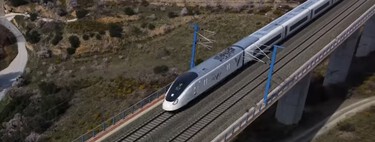
AVRIL Train Crisis: A Setback for Renfe
AVRIL trains are currently facing a crisis, particularly after one of them operating on the Madrid-Barcelona high-speed corridor exhibited significant flaws. This alarming event forced Renfe to suspend all AVRIL trains and cancel the associated AVLO service, leading to significant disruptions in travel plans. As passengers brace for an uncertain future, the question arises: who will bear the financial burden of these interruptions?
The Beginning of a Nightmare
The troubles began in July 2025, when Renfe made the startling decision to halt AVLO ticket sales between Madrid and Barcelona almost overnight. Initially, the suspension was shrouded in mystery , but it soon became clear that a significant fissure in one of the trains was the root cause.
Renfe acted quickly upon discovering the fault, choosing to limit the maximum speed of the trains to mitigate risks. This created a cascade of delays and ultimately culminated in the complete suspension of the AVLO service. Such measures imposed a heavy toll on the high-speed travel landscape in Spain, which had primarily relied on this low-cost service for competitive pricing.
The Setback for Renfe
The decision to remove AVRIL trains from the Madrid-Barcelona corridor represents a significant setback for Renfe, especially as it now opens the door for rivals like Ouigo and Iryo to seize market share. Initially, Ouigo had begun to retreat from the landscape, but with Renfe’s inability to operate its low-cost service, the competitive playing field has shifted.
The underlying issues with the Talgo S106 AVRIL trains are particularly troubling, as they have been plagued by a series of malfunctions from the outset. After a period of relative stability, the recent failures have served as a painful reminder of the challenges surrounding these new high-speed trains.
The Importance of AVRIL Trains
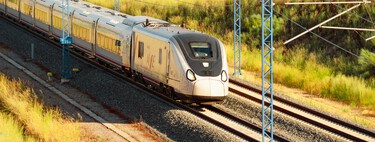
Renfe’s decision to produce 30 AVRIL trains stemmed from its ambition to offer affordable travel options while achieving top speeds of 300 km/h . The flexibility of these trains, which can switch between Iberian and international gauges, was meant to be a game-changer for routes, particularly the high-speed connection to Galicia without needing to transfer in Ourense.
Who Bears the Cost?
With the current situation, Renfe finds itself in a complicated position, having already sought additional trains from Germany to replace the faulty AVRIL units. Adding salt to the wound, Renfe is currently pursuing compensation exceeding €116 million from Talgo for the delays associated with the AVRIL deliveries.
Compounding these challenges, Talgo argues that the underlying issues with the AVRIL trains are due not solely to the trains themselves, but also to a lack of proper maintenance on the tracks by Adif, the infrastructure manager. Talgo points to the “poor state of maintenance” and other operational inefficiencies as core issues leading to the cracks in the train construction.
Adif, on the other hand, vehemently defends the integrity and maintenance of the high-speed corridor, claiming that the line meets all necessary standards. In a further act of transparency, Talgo has decided to hire an external firm to conduct an audit to determine the root cause of the recent failures, hoping to clarify the contentious points between both organizations.

Accountability and Future Implications
As the situation unfolds, Talgo is keen to shift the focus back onto Adif, suggesting that their maintenance practices are a contributing factor to the failures. Compounding their concerns, Talgo had already reserved over €100 million in liabilities last year to cover additional costs incurred due to delivery delays related to the AVRIL trains.
Meanwhile, Adif faces scrutiny not just for the AVRIL complications, but across various corridors in Spain, including reports of insufficient investment affecting safety and reliability. The stakes continue to rise as the travel inconveniences unfold, leaving both Renfe and Talgo in a delicate balancing act of accountability and public perception.
In light of these ongoing challenges and the scrutiny from both passengers and competitors, Renfe’s relationship with Talgo is likely to remain turbulent, as each entity seeks to resolve their issues while navigating the complexities of infrastructure and service management in Spain’s high-speed rail network.