
The Impact of Torrential Rains in the Levant
Every year , the Levant faces torrential rains in autumn, which result in devastating floods , infrastructure damage, and tragically, loss of life. With injuries, homes inundated, and rivers swelling beyond their banks, these storms highlight a significant vulnerability. It provokes questions such as: why are we repeatedly caught off guard by these storms? What is a DANA, and how does it affect this region?
Difference Between DANA and Cold Drop
POT
The term ‘cold drop’ has its roots in the late 1800s when German meteorologists began describing cold air pockets that create severe weather. While this term has been popularly used, it lacks the scientific precision now found in the term DANA, which stands for Isolated Depressions at High Levels . This term encompasses a more specific meteorological occurrence where a cold, high-altitude depression interacts with the warm, moist air below, resulting in intense storms.
Interestingly, the AEMET (National Meteorological Agency) has distanced itself from the traditional term ‘cold drop’—as it has become associated with significant storms and disasters. In contrast, not every DANA leads to severe weather, making the term more nuanced.
How a DANA is Formed
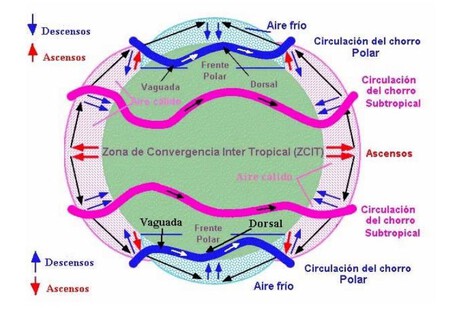
A DANA forms when the upper levels of the atmosphere become disturbed . The normally steady jet stream becomes undulated, and eventually, a section of it becomes detached , creating a closed low-system that can develop independently. When this isolated low encounters warm, humid air—frequently present over the Mediterranean—it can result in vertical instability, producing heavy rainfall and extreme weather.
Why DANAs Are Increasingly Common in Spain
There’s an ongoing debate regarding whether the frequency of DANAs is actually rising. Although there are no definitive proofs, certain trends suggest an increase in extremity . Factors such as higher sea temperatures in the Mediterranean and an overall warmer atmosphere contribute to these storms becoming more intense, leading to their impacts being felt more severely than before.
Consequences of DANAs
Manuel Pérez García and Estefania Monerri Mínguez.
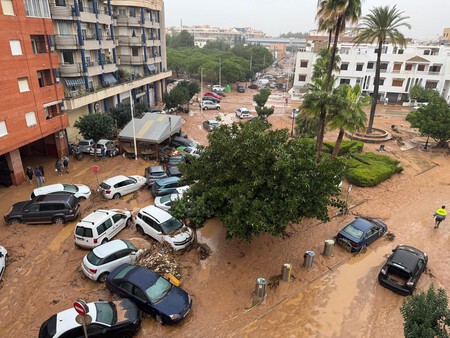
The consequences stemming from DANAs are extensive and troubling. From flash floods to infrastructure damage , the aftermath can disrupt lives, economies, and communities. The resulting risks can lead to people’s evacuations , power outages, and extensive damage to both urban and agricultural areas, accumulating a high economic cost in terms of repairs and losses.
DANAs and Climate Change
The interplay between DANAs and climate change cannot be overlooked. While it may not be evident that DANAs are occurring more frequently, the conditions that make such phenomena dangerous are increasingly prevalent. Reports from the IPCC indicate that warming scenarios in the Mediterranean predict increased precipitation levels during isolated events, meaning that the severity and unpredictability of DANAs could escalate due to climate factors.
DANAs in Other Parts of the World
Globally, what we refer to as DANAs can also be called ‘cut-off lows’ and are evident in countries like the USA, Australia, and parts of South America. However, Spain’s unique climate—with its exceedingly warm sea and diverse terrain—renders these meteorological occurrences particularly impactful.
Precautions Before the Arrival of a DANA
It has never been more crucial to be prepared for the potential dangers associated with DANAs. Here’s a comprehensive list of precautions:
- Consult official alerts: Stay updated with warnings from AEMET and Civil Protection services.
- Avoid driving on secondary roads , particularly those prone to flooding.
- Never cross watercourses.
- Ensure that all drains, roofs, and sewers are checked to prevent backflows.
- Elevate belongings in your home to minimize water damage.
- Prepare a basic ‘survival’ kit: it should include essentials like water, a flashlight, radio, phone chargers, and important documents.
In conclusion, the best approach to combatting the risks posed by DANAs is to stay informed, be prepared, and exercise caution. As climate challenges worsen, proactive measures can make a significant difference in protecting lives and assets in vulnerable regions.