
Spain’s Energy Revolution: Unpacking the Challenges of the Transition
Spain stands as a unique example in Europe, managing to significantly reduce the influence of gas and coal on its wholesale electricity prices. In 2025, only 19% of electricity generation hours were reliant on these traditional energy sources, a dramatic reduction from 75% in 2019, as highlighted in a report by Ember. This transition to renewables has led to an average wholesale price that is 32% lower than the European average. Yet, a puzzling question remains: why are consumers still facing high electricity bills?
Breaking It Down—Since 2019, Spain has doubled its renewable energy capacity by adding over 40 GW of solar and wind power. By the first half of 2025, clean energy accounted for 46% of generated electricity. However, a significant event on April 28, 2025, exposed the vulnerabilities of this renewable transition—the great blackout , which plunged large areas of the country into darkness for hours.
The preliminary report from ENTSO-E ruled out renewables as the direct cause of the blackout. However, it uncovered a significant problem: the Spanish energy grid was unprepared for the growing amount of intermittent generation without adequate flexibility. Following the blackout, Red Eléctrica has been operating the system in “reinforced mode,” which has involved increasing the use of combined gas cycles to stabilize voltage. This risky strategy has significantly increased costs, with gas-based network services comprising 57% of the final electricity price in May 2025, as opposed to the usual 14% prior to the blackout.
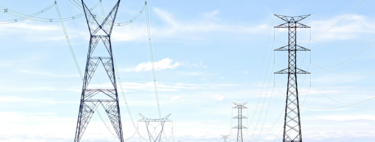
<img alt="One of the big problems of Spain and the blackout is its energy isolation: that is about to change" width="375" height="142" src="https://i.blogs.es/5a7049/guia-de-imagenes-destacadas-1-/375_142.png"/>Identifying the Core Issue—While Spain is generating more clean energy than ever, it struggles to maximize its use. The lack of a robust grid, insufficient storage capacities, and limited interconnections leave thousands of megawatts of solar and wind energy untapped . Following the blackout, curtailment has drastically increased, tripling from 1.8% to 7.2%, as per Ember’s insights. This indicates that excess renewable energy is being “thrown away” rather than utilized effectively. Furthermore, Spain’s investment in battery technologies has lagged behind, positioning it fourth in the energy market yet thirteenth in battery capacity with merely 120 MW installed, despite plans for 16,000 MW by 2030. This discrepancy highlights the structural issues within Spain’s energy investment framework, where only 30 cents are allocated for grid improvements for every euro spent on renewables, falling below the European average. Essentially, Spain has more sun than wires.
The Economic Toll—The underlying issues are not just technical; they are economic. The transition to operating in reinforced mode since April 2025 has cost consumers an astounding additional billion euros . With further regulatory approvals anticipated, the financial burden could escalate another 3 billion euros , resulting in higher fixed rates for consumers, as stated by the UNEF in an interview with El Español. The costs associated with managing the grid “in tension” are directly passed on to consumers, regardless of the lowering wholesale prices. Ember’s report indicates that the wholesale price only constitutes about half of the electricity bill (the energy component). The remaining components—network costs, taxes, and system stability—do not see reductions in response to decreasing wholesale prices, leading to a frustrating disconnect for consumers.
The Threat of Future Blackouts—Just six months post-blackout, concerns reemerged about potential future outages. Red Eléctrica warned about ‘sudden voltage variations,’ urging the CNMC for immediate modifications to operating procedures. These changes include greater flexibility in operations and stricter voltage control to mitigate risks. Despite reassurances from the REE that no imminent blackout looms, anxiety persists among consumers. Every passing day under these conditions adds to the cost burden passed on to customers, making the shadow of the blackout ever more ominous—less visible but increasingly expensive.
Moving Toward Sustainable Solutions—Following the blackout, a reform package (Royal Decree-Law 7/2025) was adopted to enhance network stability and promote energy storage. While the decree faced rejection in Congress, many of its elements are being implemented through alternative means. Notably, the installation of eight synchronous compensators has begun. These devices stabilize voltage without relying on fossil fuels, coupled with a target of 2,600 MW of battery capacity, a project with 340 MW already approved. Ember estimates that the new compensators will involve an investment of 750 million euros but will save approximately 200 million euros annually by reducing reliance on gas services.
The Contradiction of Renewable Energy—Spain embodies a paradox in energy—simultaneously securing some of the lowest electricity costs in Europe while dealing with one of the highest consumer bills. The challenge is not merely producing more renewable energy but ensuring its reliable delivery and fair pricing. Achieving this balance hinges on further developing grid infrastructure, enhancing stability, and building trust among consumers.
As Spain navigates its transition from conventional energy to renewables, it bears witness to both the potential and pitfalls of this journey. While the initial strides toward a cleaner energy future are commendable, the ongoing challenges must be addressed for the benefits of renewable energy to reach consumers effectively. The focus should now shift towards improving infrastructure and ensuring a stable energy supply to secure a sustainable future for all.