
Benasque: A Crucial Step Towards Affordable Housing in the Pyrenees
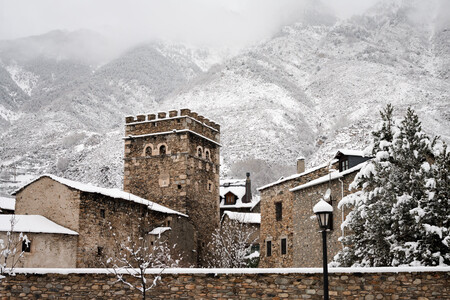
Nestled in the heart of the Pyrenees, the picturesque town of Benasque boasts striking views and close proximity to the renowned Cerler ski resort and Posets-Maladeta Natural Park. While its breathtaking scenery suggests tranquility, the town is grappling with a significant housing crisis. The twin challenges of skyrocketing rents and a burgeoning number of second homes have made it increasingly difficult for local workers to find affordable accommodation. Recently, however, the city council has approved an ambitious plan to construct 2,200 homes, a decision that could reshape the future of this small town.
The Housing Dilemma in Benasque
Benasque, a quaint town in the Ribagorza region of Huesca, has a residential population of about 2,300. However, the approved housing initiative raises eyebrows because it proposes nearly as many new homes as the entire population—with a staggering focus on developing 2,198 free homes. This plan aims to tackle some of the root causes of the current housing crunch, particularly in a region where seasonal workers struggle to secure a place to live.
The city council’s plan, known as the Cerler Partial Plan, was adopted after a lengthy and complicated process that has lasted over a decade. It encompasses the construction of new housing, improvements to essential infrastructure, and systems for water purification and treatment. The project marks one of the largest real estate developments in the Aragonese Pyrenees.
Key Components of the Plan
The comprehensive plan outlines a three-phase approach to housing development:
- Phase One: 856 homes
- Phase Two: 504 homes
- Phase Three: 838 homes
Additionally, the plan allocates more than 3,000 square meters to the Government of Aragon for constructing 29 officially protected homes, aimed specifically at providing affordable rentals for tourism workers. This is part of a broader initiative that seeks to address the urgent need for affordable housing across 43 tourist locations in the region.
Mayor Manuel Mora emphasizes that the partial plan “reorders everything.” With an overall investment of almost €20 million and an estimated execution period of 10 years, this initiative represents a crucial step towards sustainable urban planning in the region.
Environmental Concerns and Community Reactions
Not everyone is convinced that this housing project is the solution to Benasque’s challenges. Several environmental and neighborhood associations have voiced concerns that the initiative may exacerbate speculative development rather than provide genuine relief to those struggling with housing costs. Critics argue that this plan may prioritize profit over the actual needs of residents and workers.
Despite the skepticism, there’s no denying that the project is significant. The promise of new homes comes at a time when Benasque is facing severe housing shortages. Protesters have previously taken to the streets with banners demanding affordable housing, underlining the urgency of the situation for local residents.
Historical Context and Long-Term Vision
The move to approve the Cerler Partial Plan is not unprecedented. The roots of this development can be traced back to the 1960s, coinciding with the establishment of the Cerler ski station. Over the years, various agreements have been made, but progress has often been stymied by economic downturns and legal issues.
The full approval marks a pivotal moment, echoing sentiments of anticipation for a project that had seen stagnation since 2015. Some of the homes proposed in the plan have already been built but lack necessary amenities, leaving many potential residents in limbo.
The Impact on Local Housing Market
The implications of the 2,200 new homes on the local housing market are profound. Presently, Benasque is experiencing a severe shortage of affordable rentals, with many locals struggling to find accommodations priced under €1,000. As of now, listings often hover around €750-850 per month, and it’s not uncommon for workers to resort to living in motorhomes during harsh winter months.
The urgency of the situation cannot be overstated; service industry employees, including health workers and teachers, face similar housing hurdles. As the population of second homes in Benasque approaches 70% of the total housing stock, immediate solutions are necessary to ensure the livelihood of permanent residents.
Developing richer strategies that account for both the tourism industry and the needs of locals may provide insights for other regions facing similar challenges. As the real estate landscape evolves, the focus must remain on sustainability and accessibility to avoid repeating the same cyclical crises seen in many tourist-centric locales.
This ambitious housing plan not only aims to ease the pressure on Benasque’s housing market but also stands as a testament to the potential for thoughtful urban development in stunning mountain environments.