
In 2007, amidst the fervor surrounding the upcoming 2008 Beijing Olympics , the Chinese government , led by Hu Jintao , unveiled an ambitious project for the Everest region . The plan included constructing a highway to the northern base camp of the world’s highest mountain, along with a luxury hotel complete with a spa, a museum, and a helipad at an altitude of 5,150 meters—essentially a vacation city in the heart of the Himalayas. However, due to political turmoil and protests in Tibet from 2010 to 2012, these plans were ultimately shelved; not even the first stone of the proposed resort was laid. Regardless, a road was paved from Shigatse to the foothills of the Himalayas. What were the results?
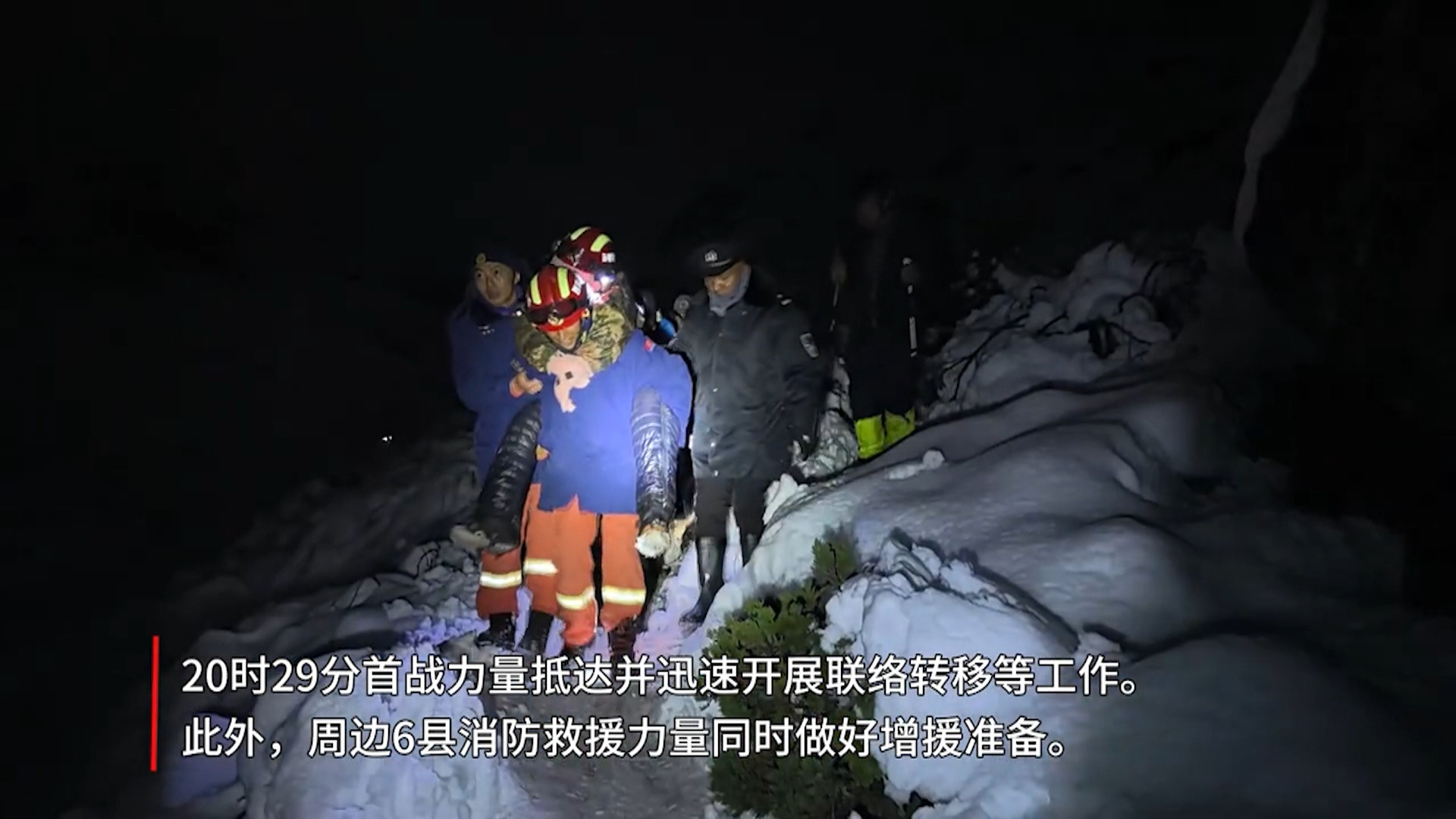
This past Friday, a storm unexpectedly hit over 500 trekkers on the routes between Everest and Cho Oyu , leading to several days of rescue operations, with one life tragically lost. This incident underscored how perilous it can be to approach the world’s highest peak—one does not need to reach its summit to be in danger; merely getting close can be sufficient.
“ China constructed infrastructure intending to control Tibet, introducing a population of its ethnic majority and developing a tourist theme park around the Everest region and other prominent peaks like Cho Oyu, Makalu, and Lhotse. During peak travel periods like Golden Week , thousands of inexperienced and unacclimatized trekkers crowd at 5,000 meters with little more than a windbreaker and town sneakers. When two meters of snow fall during a storm, tragic occurrences are inevitable,” explains Sebastián Álvaro , mountaineer, writer, and director of the long-running TVE documentary series , Al filo de lo imposible . Álvaro is well-acquainted with the region, having filmed a documentary about the legendary 1924 expedition of George Mallory and Andrew Irvine .
According to Álvaro, the reports of rescuing hundreds in merely 48 hours are likely inaccurate. “There are no high-altitude rescue teams there. The firefighters sent from the nearby village of Tingri lack experience and are overwhelmed by the number of people that flock to the Everest northern base camp,” he states. His assessment aligns with the realities on the ground.
Half a Million Visitors and Growing
As touted by the Chinese government, last year marked the first time that over 500,000 visitors traversed what they refer to as the “ Everest Scenic Area .” However, this number appears inflated; despite the region being twice the size of Spain, Tibet has only three million inhabitants and minimal public services. The absence of accident statistics—let alone fatality figures—raises concerns that there have likely been previous tragedies in the area.
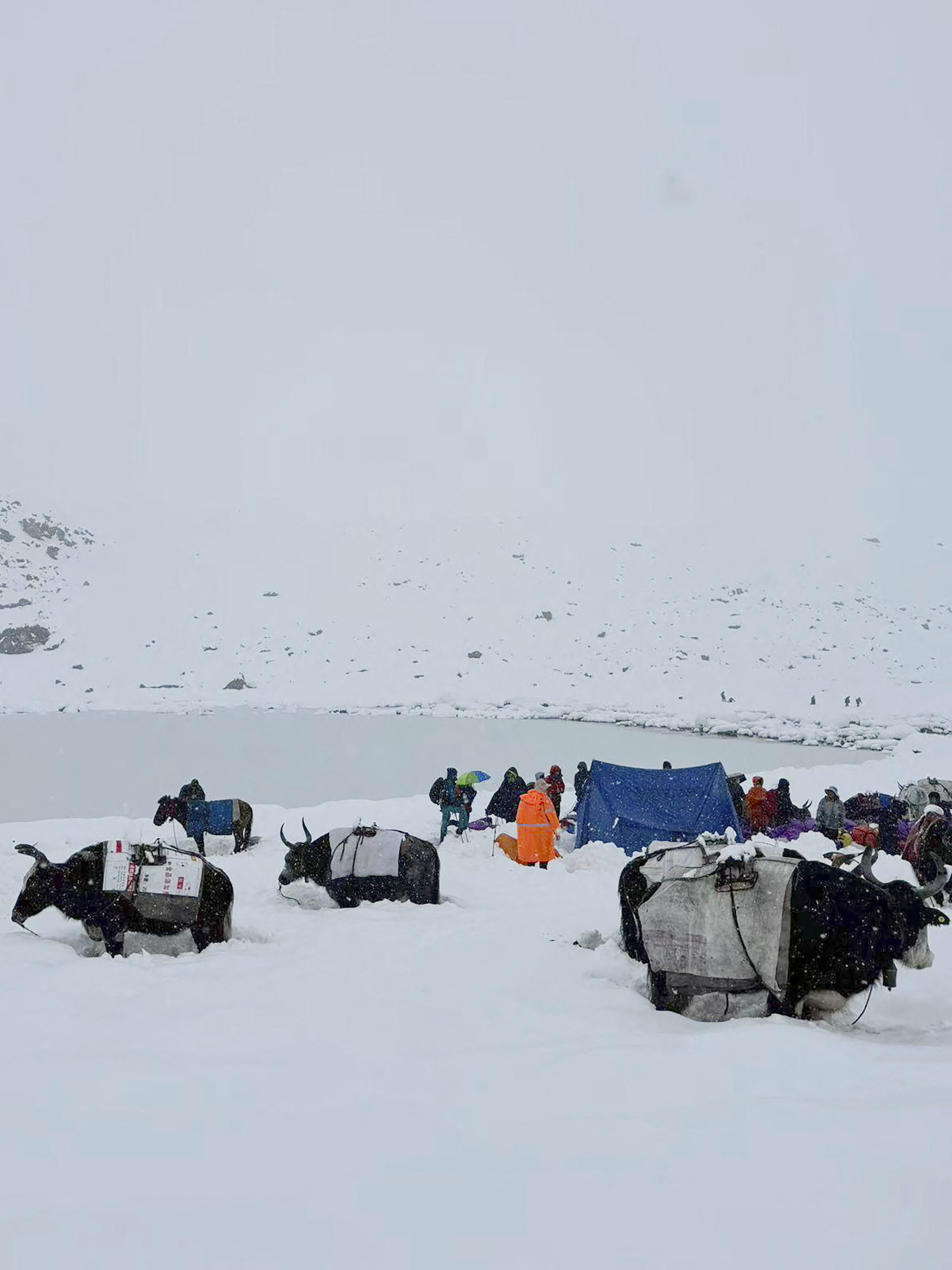
Despite the global outrage over queues on Everest , the number of treks around the base has increased significantly in recent years, along with the associated dangers. “On the Chinese side of the Himalayas, there is a plateau with scant vegetation, marketed by local travel agencies as a hikers’ paradise . Many trekkers arrive with little awareness and preparation. Suddenly, they find themselves at 5,000 meters. For context, the tallest peak in the European Union is Mont Blanc at 4,800 meters,” emphasizes Sergi Unanue , owner of Mundo Recóndito and an author residing in Beijing for a year.
Moving the Base Camp: An Impossible Task?
In southern Nepal , trekking activities at the bases of its majestic mountains have also intensified, though no tragedies have occurred since the 2015 avalanche , which tragically claimed 22 lives. Every year, there are reports of around three to five fatalities due to altitude sickness. However, this figure is relatively low compared to the approximately 30,000 climbers visiting the region annually. While the infrastructure in Nepal is less developed than in China, it is unlikely to experience the extreme touristification seen in its northern neighbor.
In Nepal, most treks to the southern base camp are managed by foreign companies, which provide well-informed clients with proper preparation, material guidance, and acclimatization routines, typically lasting 10 to 12 days . This winter, the Nepalese government, led by Ram Chandra Poudel , announced the completion of a roadway dubbed “the Everest Highway .” However, this just refers to a path between Kathmandu and Surke , close to Lukla —a route regularly traveled by tourists via air. Although the area may be deemed relatively safer, global warming poses a significant threat as the Khumbu glacier continues to fracture. Plans exist to relocate the base camp further down, by 300 to 400 meters , but funding and logistics remain unresolved. One does not need to scale the heights of the world to face danger; approaching it can be perilous enough.