

The Silent Backbone of Global Connectivity: Understanding Submarine Cables
Invisible to the naked eye yet vital to modern communication, the seabed houses an extensive network of submarine cables that connect countries across the globe. These cables form the lifeblood of international communications, enabling everything from phone calls to internet data transfers. Recent geopolitical events, notably the war in Ukraine, have highlighted the strategic importance of these undersea conduits. Alongside submarine cables, a burgeoning network of underwater pipes has also emerged, primarily aimed at facilitating energy transport and connecting various offshore infrastructure.
Recently, China reached a significant milestone in its efforts to secure energy independence. The country has installed over 10,000 kilometers of underwater pipelines, further advancing its goal of developing a self-sufficient energy framework. This massive undertaking speaks to China’s commitment to diversify its energy sources and enhance its geopolitical standing.
China’s Offshore Energy Initiatives
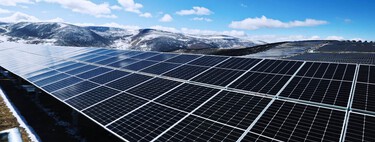
China boasts vast terrestrial resources, yet its efforts extend well offshore. While the nation is busy harnessing solar energy through expansive solar farms and operates the world’s largest hydroelectric plant, it’s also keenly focused on offshore energy. This includes tapping into resources such as marine wind, natural gas, oil, and solar energy.
The country has embarked on ambitious projects like the Chaozhou wind farm and floating solar installations. The overarching objectives are twofold: achieve energy independence and make strides toward decarbonization by investing in renewable energy sources. To effectively grow its offshore energy capacity, China relies heavily on pipelines that connect offshore facilities with land-based power plants.
The Surge in Pipeline Development
China’s ambitious submarine pipeline strategy has seen remarkable progress, with more than 1,500 kilometers of new pipes being laid between 2021 and 2025. Some of these installations go as deep as 1,500 meters, venturing into ultra-deep waters.
The diameter of these pipes varies significantly, ranging from smaller pipes of less than three centimeters to larger ones exceeding 120 centimeters. For perspective, these substantial pipes can be as thick as a 50-inch TV set, demonstrating the scale of investment and engineering involved in this megaproject.
These extensive investments give birth to significant projects such as Hohai Bay , which features one of the densest networks of pipes in the country, stretching over 3,200 kilometers for transporting crude oil and gas. Another groundbreaking venture is Deep Let No.1 , China’s first ultra-deep gas field developed entirely on its own. This innovative project operates up to 1,500 kilometers deep, showcasing China’s growing capabilities in extracting offshore energy resources.
Engineering Marvels: The Technology Behind Pipelines
To support these ambitious offshore initiatives, China has developed the Hai Yang Shi You 201, a specialized vessel designed for laying pipes in challenging environments, including depths greater than those at Deep Let No.1. This vessel can operate at depths of up to 3,000 meters.
The design and construction of these pipelines focus not only on functionality but also on durability. They are engineered to withstand extreme temperatures and high-pressure conditions, featuring anti-corrosion treatments. This is crucial as these pipes need to handle gas and oil currents at temperatures reaching 120 degrees Celsius, necessitating a robust thickness of around four centimeters.
Looking Forward: China’s Future Energy Vision
In conclusion, the network of underwater pipelines is not merely a feat of engineering; it serves as the foundational framework for China’s ambitious energy independence narrative. The government aims to expand this infrastructure to over 13,000 kilometers by 2030, further solidifying its energy transport capabilities while bolstering its offshore energy output.
China is also eyeing opportunities to transport green fuels, including hydrogen and shale gas. These resources play a pivotal role in reducing import dependency and aligning with the nation’s long-term energy strategy. Recent discoveries of massive shale gas deposits pave the way for a more sustainable energy future, aligning with global environmental goals.
The race for energy independence and sustainability is accelerating, and China is positioning itself as a leader in this monumental shift towards a more resilient and self-sufficient energy ecosystem.