
Natural Gas Prices Surge as Autumn Arrives
The receipt of natural gas becomes more expensive with the arrival of autumn. Starting October 1, a new upload of the natural gas receipt entered into force. The last resort rate (TUR) has seen an average increase of 13.2% for homes and between 12% and 20.1% for neighborhood communities, According to the resolution published in the Official State Gazette (BOE).
This increase arrives just as families are preparing for the heating season , a particularly sensitive period for those who rely on gas to warm their homes.
More Increases? Each quarter, the Ministry for Ecological Transition updates the TUR. This update occurs automatically; if the cost of raw material varies by more than 2% , the rate is adjusted. This past October, three major factors influenced the changes:
- Seasonal gas : As autumn progresses, demand increases, causing costs to rise by 24.9% compared to July.
- International markets : Base gas prices saw a 6.5% decrease, largely due to a drop in Brent crude and a stronger euro against the dollar. However, this relief was overshadowed by the seasonal surcharge.
- Tolls and regulated charges : These finance transport and distribution networks. According to the OCU, these charges have surged this year, especially in the fixed portion of the bill, which in some instances has jumped 43% .
In summary, while the international market didn’t experience a drastic change, the regulated adjustments and seasonal factors have led to an increase in rates.
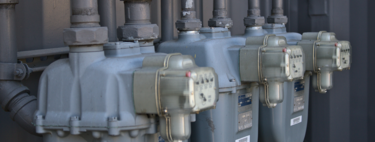
<img alt="The new gas counters will not only raise the bill: they will change how we consume energy at home" width="375" height="142" src="https://i.blogs.es/4689c1/guia-de-imagenes-destacadas-1-/375_142.png"/>How Much Will You Pay for Gas? The answer varies depending on usage. The regulated rate (TUR) is divided into sections based on annual consumption:
- Tur1 : Up to 5,000 kWh/year – Typically for homes using gas solely for cooking or hot sanitary water. The fixed charge is €3.93/month , and the variable cost is €0.045/kWh .
- Tur2 : Up to 15,000 kWh/year – Common for families using gas for both hot water and home heating. Here, the fixed rises to €8.11/month , with a variable cost of €0.043/kWh .
- Tur3 : Up to 50,000 kWh/year – Applied in larger homes or small businesses with intense heating needs. The fixed charge is €18.82/month , with a variable drop to €0.039/kWh .
For context, according to the OCU, a typical home consuming 9,000 kWh annually will see their costs rise from €553 to €619 per year—a remarkable €66 increase in just one quarter.
In addition, neighborhood communities have special rates (Tur4 to Tur11) that cover consumption levels from 50,000 kWh to very high levels . Here, increases are steeper: from 12% to 20.1% . Tur4 jumps by 15% , Tur7 by 19.2% , and Tur11 by 20.1% . The most significant impact will likely be felt by those relying on gas for heating, as fixed charges apply month-to-month regardless of usage.
Nevertheless, the OCU emphasizes that TUR remains more affordable than many free market rates, where some consumers may pay double.
Broader Impacts – The rise in gas prices doesn’t only burden households that utilize it for heating or hot water. It also influences the electric grid . Following the April 28 blackout , Red Electrica augmented their usage of combined gas cycles to stabilize the network. What began as a temporary solution has now become routine: when solar and wind energy dips, gas serves as a backup.
This creates a paradox: Spain is generating more renewable energy than ever before; however, due to insufficient storage, gas fills the gap, subsequently influencing prices. Thus, while the electricity and gas bills are distinct, their connection impacts both sectors.
Future Changes Ahead – According to reports from Xataka, between 2028 and 2032 , around eight million gas meters will be replaced. The new smart meters will facilitate real-time data and help combat fraud, but will also cost more. Monthly rental fees will increase from €0.58 to €1.10 , resulting in an additional €6 per year for each household. Although the government claims this will lead to savings in consumption and emissions in the long run, it presents a short-term rise in bills.
Looking Towards January 2026 – Rates will be reviewed once more at this time. The adjustments will depend on the contributions of gas, currency exchange rates, and regulated tolls. The outlook is grim, as the EU continues mandating that countries store 90% of gas , maintaining pressure on demand. Additionally, the Spanish electrical system will rely on gas until at least 2026 due to inadequate storage and infrastructure. Lastly, advancements in digitalization and modernization will incur additional fixed costs for consumers.
In summary, the gas market remains volatile. While the regulated rate continues to be the most competitive, it is not without risk. The increase this October serves as a reminder that energy pricing significantly affects household economics. Until a system can effectively store and utilize renewable energy, gas will continue to reign over the energy landscape.
Image | Freepik
Xataka | Natural gas has become essential in the AI era, and this chart exposes countries with the largest reserves.
This content provides an informative update on the natural gas price increases while ensuring a structured format with headings, bullet points, and relevant links, maintaining an SEO-friendly approach throughout the article.