
The Epic Clash: Barcelona vs. PSG in the Champions League
The highly anticipated showdown in the Champions League between FC Barcelona and Paris Saint-Germain (PSG) delivered thrills and unexpected turns. Held at Montjuïc, the match showcased Barcelona’s aggressive style, characterized by high pressing and technical finesse, particularly through their standout players Pedri and Lamine Yamal. For thirty minutes, it looked like Barcelona would dominate, especially following Ferran Torres’s opening goal in the 19th minute. With PSG missing key players like Dembélé and Marquinhos, it seemed ripe for a Barcelona victory. However, as the match progressed, PSG adapted and turned the game around for a stunning 2-1 victory.
The Shift in Momentum
In the opening minutes, Barcelona’s precise passing and tactical prowess kept PSG on the back foot. However, this initial advantage soon waned. Hansi Flick, Barcelona’s coach, seemed to have devised a plan focusing on territorial control and quick transitions but soon found that his team lacked the stamina to sustain this tempo. As the first half drew to a close, PSG began to retaliate with dangerous counter-attacks, prompting Barcelona’s defensive strategies to falter.
The turning point arrived in the 38th minute when Mayulu netted the equalizer for PSG, igniting a surge of confidence within the team. As their game intensified, Barcelona struggled to keep up, revealing their vulnerabilities. The midfield battle, initially dominated by Barcelona’s playmakers, shifted predominantly in PSG’s favor. Players like Vitinha and Fabian Ruiz began dictating the pace of the match, while Nuno Mendes and Hakimi exploited the wings, leaving Barcelona floundering in their defensive positions.
Lessons Learned: Barcelona vs. PSG
The second half marked a crucial shift. Flick’s hopes for a tactical resurgence faltered as his players lost cohesion, leading to stretched formations and disorganized play. While Barcelona had notable chances—such as a close attempt by Dani Olmo—it became evident that the team was lacking a systematic approach. The possession statistics reflected this struggle: PSG commanded the ball 54% of the time, completing 418 successful passes compared to Barcelona’s 361. This disparity was compounded by Barcelona’s frantic, unfocused efforts that at times resembled “headless chickens” rather than a coordinated team effort.
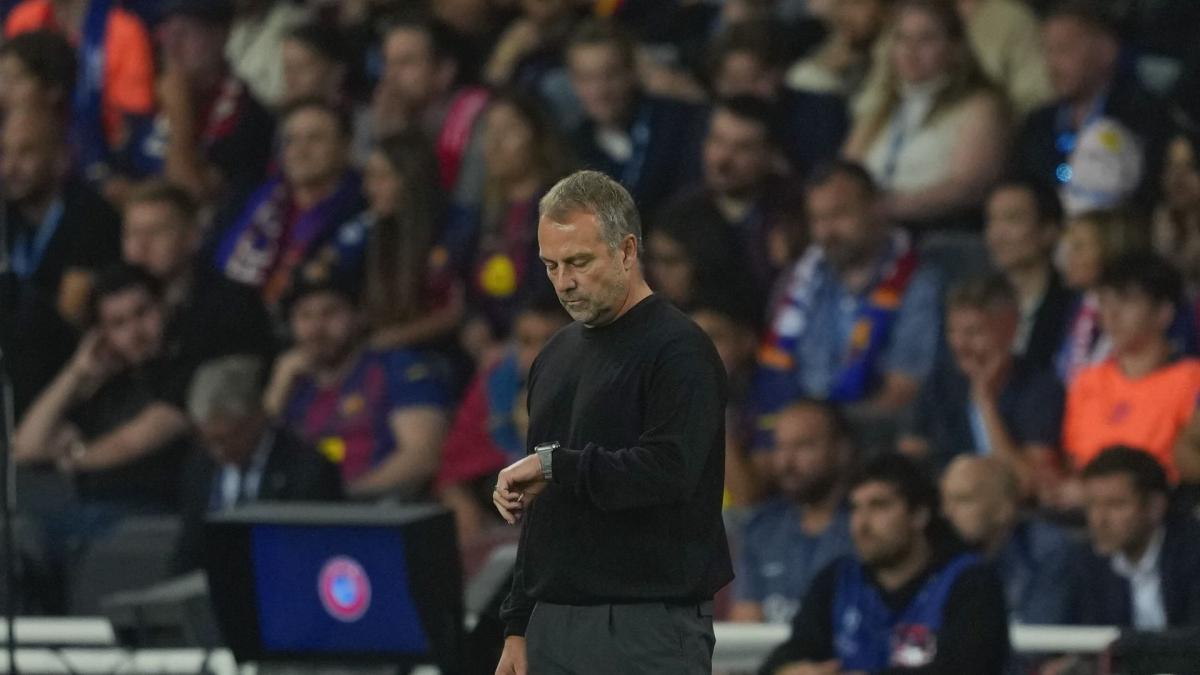
After the match, a visibly frustrated Hansi Flick expressed regret, stating, “We lacked cohesion, we did not play at our best level. Their victory is deserved.” His disappointment highlighted the gap between expectations and reality, particularly given that Barcelona had aimed to establish dominance over a depleted PSG lineup. Flick’s acknowledgment of his team’s deficiencies underscores the rigorous demands of elite-level football, where even minor lapses can result in significant setbacks.
The Tactical Mastery of Luis Enrique
On the contrary, Luis Enrique, PSG’s manager, showcased an impressive tactical acumen, guiding his players through a tumultuous match. Despite coping with personal challenges, including a broken collarbone, Enrique constructed a game plan that capitalized on Barcelona’s weaknesses. His careful management of player roles and tactical discipline allowed PSG to maintain composure even in the face of early adversity.
The decisive moment came in the 90th minute when Gonçalo Ramos scored the winning goal, emblematic of the successful execution of Enrique’s strategic vision and resilience. Received with cheers by the PSG fans, this goal punctuated a well-earned victory over an overwhelmed Barcelona team.
The contrast in coaching styles and tactical execution illuminated the different trajectories of these two teams. Barcelona, initially brimming with expectations, faced a sobering reality check. Their inability to maintain physical and mental intensity in crucial moments led to a pivotal defeat, reminding players and fans alike that success in football is often as elusive as it is momentary.
Ultimately, this match served as a reminder of the fierce competition inherent in the Champions League and the unpredictable nature of football. For Barcelona, there will be lessons to learn moving forward, and the hope remains that they will come back stronger after this setback.