
Ukraine’s Call for Tomahawks: A Strategic Shift in Warfare
In modern warfare, the significance of distances cannot be overstated, particularly within the context of nuclear threats. This reality was starkly illustrated in November 2024, when concerns about Russia’s potential use of nuclear weapons hovered over the global community. A mere few kilometers in distance could spell disaster should Moscow decide to activate its missile systems. Since the beginning of the conflict in 2022, a pivotal strategy that Ukraine has relied upon has rarely made headlines until now.
The Push for Tomahawks has become a focal point in Ukraine’s defense strategy. Ukrainian President Volodymyr Zelensky ’s request for Tomahawk cruise missiles from the United States represents a significant escalation in the ongoing war. With a range of 1,500 to 2,500 kilometers , these missiles would enable Ukraine to strike deep into Russian territory, fundamentally altering the balance of power and extending Kyiv’s military capabilities beyond its current reliance on long-range drones and limited strikes approved by Washington.
Interestingly, this shift also reflects the changing stance of the Donald Trump administration , which initially exhibited hesitance in prolonging the conflict. Trump’s special envoy, Keith Kellogg , has since advocated for a bolder strategy, asserting that “there are no sanctuaries” for Russia, and emphasizing that Ukraine must be empowered to execute strikes deep within Russian territory to redefine the war dynamics.
<img alt="Spain informed the US that it does not want its F-35s, and now it has announced that it will not allow artillery to pass for Israel." width="375" height="142" src="https://i.blogs.es/86f6fc/ps---plantilla-portadas-xtk-501/375_142.jpeg"/>The Russian Reaction to Zelensky’s appeal was one of alarm and defiance. Kremlin spokesman Dmitri Peskov admitted that they were conducting an “in-depth analysis” regarding the implications of Ukraine receiving Tomahawks. A crucial issue raised was who would control the missile launches—Ukrainians alone or American personnel—and how this might escalate into a direct confrontation between global powers.
Peskov further warned that even if Tomahawks were supplied, they would serve as no “panacea” for the current frontline situation, where Russia claims to be making steady advances. The fundamental message was clear: no technological advantage would deter Russia from maintaining military initiative or capitulating to Western pressures.
The Russian political landscape grew increasingly alarmed. Andrei Kartapolov , the President of the Parliament Defense Committee, made strong statements indicating that any US military personnel involved in operations with Tomahawk missiles would be legitimate targets for retaliation . Such rhetoric has heightened fears of a direct conflict, bringing Europe into an unprecedented state of tension.
Furthermore, Vladimir Putin has reiterated that Russia retains the right to attack military facilities in European countries should such nations enable attacks against Russian territory, posing a significant risk of escalating conflict. The implications of these threats are troubling, as the specter of war looms larger with every political maneuver.
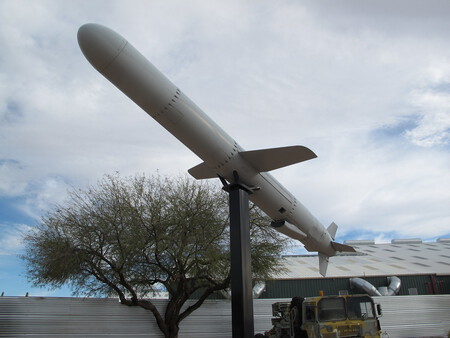
<span>Tomahawk Missile</span>American Strategic Shift marks a significant departure from previous policies under the Biden administration, which had exercised extreme caution in military engagements. While limiting the use of Atacms due to fears of provoking an unintended escalation, the Trump administration appears ready to advocate more aggressive military support for Ukraine.
Trump’s narrative has transformed, painting Ukraine as a potential victor over Russia, dismissing Moscow as a “paper tiger,” and thereby intensifying the pressure on European allies to also contribute long-range missiles. The former Lithuanian Minister Gabrielius Landsbergis emphasized that these weapons could significantly enhance Ukraine’s military control and dictate the escalation’s tone.
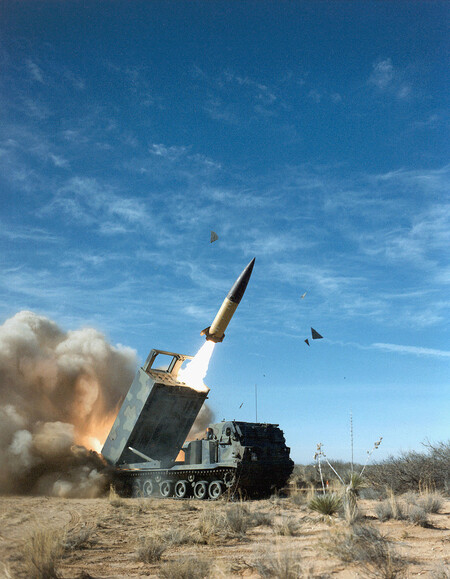
<span>ATACMS</span>Military Comparison: Atacms vs. Tomahawks has sparked a debate intertwined with politics , technology , and military strategy. The Atacms, already employed by Ukraine, can reach distances of about 300 kilometers and is primarily used for targeting enemy supply lines and troop concentrations. However, the comparatively limited range of Atacms makes it less viable for striking key strategic assets deep within Russian territory, while Tomahawks would threaten the heart of Russia’s military and political apparatus.
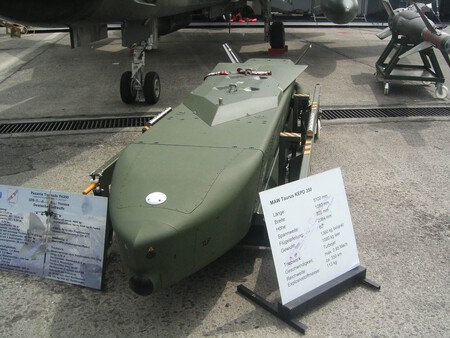
<span>Taurus KEPD 350</span>Military Comparative: Taurus KEPD 350 is another missile system that has caught Ukraine’s attention. Jointly developed by Germany and Sweden, this missile can reach up to 500 kilometers and is designed to evade electronic defenses. Its utility lies in striking heavily fortified targets, making it a valuable asset should Ukraine secure these missiles from its allies.
Germany has shown hesitance in supplying the Taurus, fearing how it might be utilized against Russia. However, the ability to launch precise and deep strikes could significantly enhance the effectiveness of Ukraine’s military campaigns.
Strategic Implications of providing Ukraine with Tomahawk, Atacms, or Taurus missiles showcase the diverse military landscapes. The Atacms provide limited tactical advantages confined to the frontlines, whereas the Taurus allows for offensive operations deep within Russian territory, and the Tomahawk would enable strategic operations, challenging Russia’s long-term capabilities.
This differentiation in reach and offensive capabilities has broader implications for NATO and its allies, as it raises critical questions regarding the potential for escalation and the challenges faced in balancing military support for Ukraine while avoiding direct confrontation with Russia.
<img alt="Emotional quote regarding invasion" width="375" height="142" src="https://i.blogs.es/f9c3c5/pexels-photo-10960575/375_142.jpeg"/>Between Deterrence and Catastrophe, the dialogue surrounding Ukraine’s need for advanced missile capabilities is fraught with complexity. The essential challenges revolve around finding weapons that can effectively counter Russia while avoiding provoking an uncontrollable escalation. For Ukraine, securing Tomahawks could signify a monumental step forward, allowing it to strike crucial military infrastructure and severely weaken Russian operational capabilities.
However, for Russia, the potential delivery of these missiles represents a deeply troubling red line . Should that boundary be crossed, the ramifications could lead to retaliatory measures, impacting not only Kyiv but potentially drawing NATO into the conflict as well. In this precarious scenario, the balance of power can pivot swiftly, illustrating that every military move carries consequences far beyond the initial tactical gains.
Through the ongoing debates and calculations, it becomes evident that this issue is not solely a matter of military logistics, but a critical test of the West’s resolve to support Ukraine while navigating the treacherous waters of global geopolitical dynamics.