
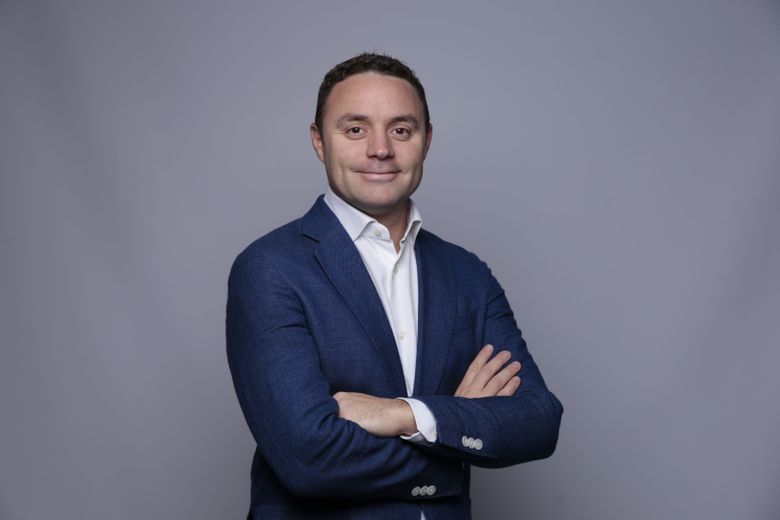
On Tuesday, September 30, Russia officially formalized its withdrawal from the European Convention for the Prevention of Torture , a treaty created by the Council of Europe . This follows Moscow’s exclusion from the council in March 2022 after launching a military offensive in Ukraine. This decision further exemplifies the growing divide between Russia and the West. To gain insights into this situation, we spoke with Ulrich Bounat , a geopolitical analyst specializing in Central and Eastern Europe.
The gap between Russia and the West continues to widen. Russia has taken a decisive step by announcing its withdrawal from the European Convention for the Prevention of Torture , a treaty it was part of prior to its expulsion in March 2022. The convention aimed at eradicating torture, but with Russia’s exit, the prospects for accountability shrink even further.
“We are more in the field of symbol. But in fact, that will not change anything for people in prison in Russia who were already tortured in general,” explains Bounat. “This is a fairly classic method in Russian prisons, before 2022, and even more so since there has been no more control in prisons from the Council of Europe.”
Bounat emphasizes the psychological implications of this maneuver, remarking, “It is undoubtedly a bit of a form of blackmail on the part of the Russians. In this denunciation of the treaties, it is to scare by saying that if Russia became, we will say, a completely thug state, respecting no standard, that would pose real international problems.”
“There Is a Lot of Propaganda Speeches in Russia”
This withdrawal has consequences beyond just Ukrainian prisoners . The Russian population itself is suffering. Bounat notes, “This is a basic problem that had never really been completely resolved, even when Russia joined torture prevention.” The implications of this decision resonate deeply, as the Russian populace continues to endure systemic violations of their rights.
Although Russia occupies a place on the UN Security Council and often presents itself with a caring voice, analysts like Bounat warn that this withdrawal could set a dangerous precedent . He states, “A number of countries now decide to completely free themselves from all international law.” This trend reflects a larger global issue surrounding human rights and international norms.
As he continues, Bounat raises an essential point: “There is a substantive tendency in these regimes to be considered that in a way, human rights, democracy, these are norms which are not universal, but which have been imposed by Westerners.” This perspective showcases a growing sense of disdain for international treaties among some countries, as they perceive these norms as a form of Western imperialism.
Despite Russia’s apparent move to abandon international treaties, Bounat remains skeptical that this will spark a wave of similar actions among other nations. He states, “If another country decided to get out of it, I think it would suffer the wrath of all other member parties, and in particular, the countries of the European Union.” This reinforces the notion that international collaboration and unity among democratic nations could serve as a barrier against the erosion of human rights.
In conclusion, Russia’s withdrawal from the European Convention raises pressing questions about the future of international human rights standards. As nations navigate these complex dynamics, the implications of Russia’s actions reverberate not only within its borders but also throughout the global landscape. The commitment to protect human dignity and oppose torture remains a cornerstone for many, but as more countries consider their own standing in international law, the stakes have never been higher. The potential ramifications of these decisions echo across the geopolitical landscape, posing challenges for global governance and human values.