
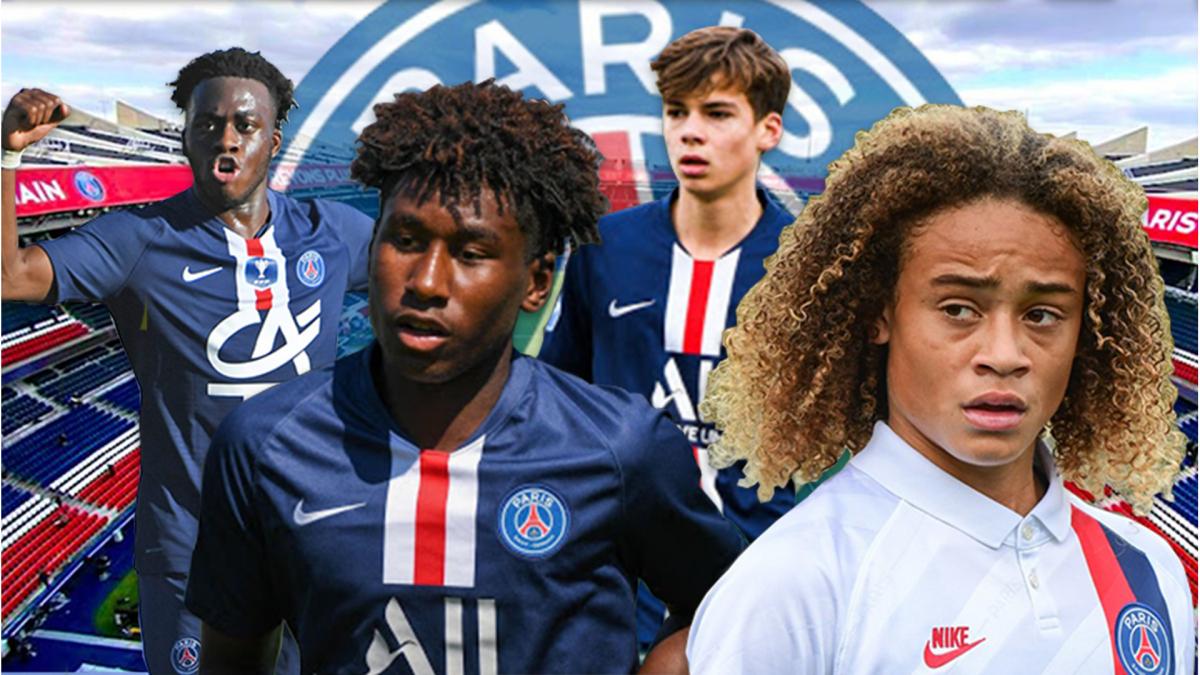
The Titis of PSG: A Journey Through Triumph and Disappointment
Since Qatar took control of Paris Saint-Germain (PSG) in May 2011, the landscape for emerging players, often referred to as Titis, has morphed dramatically. The influx of high-priced talent has made it increasingly difficult for homegrown talent to shine within the star-studded roster. Although some coaches have endeavored to provide these young players opportunities, the overwhelming presence of elite players has generally eclipsed their chances. A poignant example of this struggle is Mamadou Sakho, who, as one of the club’s earliest youth products and the youngest captain in PSG’s history, left just two seasons into the Qatar Sports Investments (QSI) era.
In contrast, Presnel Kimpembe has emerged as a beacon of success among the new generation of Titis. Known affectionately as “Presko,” he debuted in Ligue 1 in 2014 and went on to accumulate an impressive 241 appearances for the club. His contributions were pivotal in France’s victory at the 2018 World Cup, underlining his significance not only for PSG but for the national team as well. However, Kimpembe remains an exception in a narrative populated by contrasting fates, as we delve into the trajectories of these young Parisian talents.
Glimmers of Hope and Dimming Stars
While Kimpembe’s journey progressed smoothly, others have faltered as they attempted to transition out of PSG. Notably, Alphonse Aréola, who featured prominently with 43 appearances during the 2017-2018 season, has been able to sustain his career. Conversely, many can’t say the same. Players such as Jean-Christophe Bahebeck, Antoine Bernède, and Hervin Ongenda have struggled to find their footing, and their careers have been mired in disappointment.
Moreover, younger stars have also faced their share of challenges. Ismaël Gharbi, once promising as a left-sided player, now finds himself struggling for form at Braga, netting only four goals in 38 appearances. Similarly, Noah Lemina, who showed glimmers of promise during summer tours, has now transitioned to Yverdon after stints in Annecy and Wolverhampton that failed to yield success.
The reality is that for many Titis, the dream of establishing a successful career at PSG is nothing short of elusive. Each narrative offers a glimpse into the complexity of maintaining a career while navigating the fierce competition at one of Europe’s top clubs.
When the Future Takes Flight Foreign
Despite the many players who have fallen by the wayside, some Titis have managed to bounce back, carving their paths far away from the French capital. Arnaud Kalimuendo, for instance, has made a name for himself by first thriving in Ligue 1 with RC Lens and Stade Rennais, and then venturing into the English Premier League with Nottingham Forest, showcasing his remarkable goal-scoring ability.
Meanwhile, Alphonse Aréola has also found a renewed sense of purpose in the Premier League with West Ham, amassing over 100 appearances. The story doesn’t end there; Mike Maignan follows the same narrative arc, having initially moved to LOSC before his stellar rise at AC Milan positioned him as the undisputed number one goalkeeper for France.
Additionally, Xavi Simons, who struggled to find his spot at PSG, transformed his career during a loan at PSV, where he recorded an impressive haul of 22 goals and 11 assists. This pushed him to a permanent move to RB Leipzig and recently to Tottenham, demonstrating how some players have transcended the limitations placed on them by PSG’s elite roster.
The Next Generation of Hope
Though it seems a mass exodus of young talent from PSG has become the norm, a new philosophy may herald a change in fortunes for the next generation. Young talents like Warren Zaïre-Emery, who has already made over 130 appearances at just 19 years old, and Senny Mayulu, who made history by scoring in the Champions League final, might symbolize a pivotal shift. Under the management of Luis Enrique, there is renewed hope that young players will have the chance to thrive and claim their rightful place in the squad.
This emerging generation represents a fresh chapter for PSG—a shift towards nurturing their homegrown talents rather than letting them slip away into obscurity. Should this trend continue, it seems plausible that we may witness the rise of a new wave of Titis who could eventually etch their names into the annals of PSG history.
As the story of the Parisian Titis unfolds, it serves as a microcosm of the greater narrative in football—a blend of opportunity and adversity, ambition, and the harsh realities of competitive sporting life. As these young athletes navigate their paths, one can only hope that the culture at PSG shifts to embrace and retain the next generation of stars.