
Iceland’s Bold Move Against Mass Tourism: A Year Later
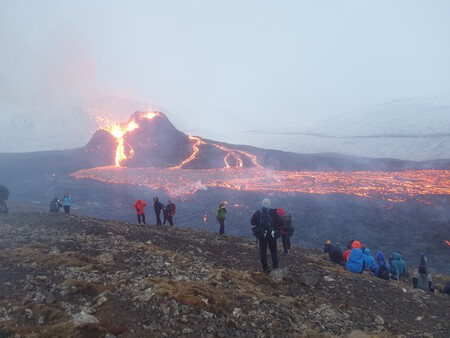
Exactly one year ago, Iceland embarked on an unprecedented course to address the challenges posed by mass tourism: a campaign centered around transparency . The slogan “ No one will save you if you fall ” vividly illustrated the dangers of venturing too close to erupting volcanoes, reflecting the island’s commitment to visitor safety. Today, Iceland is left pondering whether this candid approach to tourism has been beneficial for the country and its people.
The Awakening That Changed Everything
In 2010, when the Eyjafjalajökull volcano erupted, its ash clouds halted European air traffic and positioned Iceland on the global stage. The volcanic eruption transformed Iceland from an enigmatic Nordic island into a widely sought-after travel destination. With the images of icy glaciers, black beaches , and hot springs broadcast worldwide, curiosity about this remote land blossomed, especially after the nation had just endured the hardships of a financial crisis.
The Inspired by Iceland campaign was launched in the aftermath, and both the Icelandic government and tourism industry seized the opportunity to attract global visitors. The arrival of low-cost airlines combined with viral phenomena on social media , including a Justin Bieber music video filmed against stunning backdrops, helped catapult Iceland into a must-visit tourist hotspot.
The Explosion of Mass Tourism
In just 15 years, the influx of visitors skyrocketed from less than 500,000 to more than 2.3 million annually , significantly swelling the local population throughout the high season. While tourism revitalized rural villages, generated jobs, and transformed the economy, it has also become the driving force significantly impacting the nation’s infrastructure and culture.
Remote towns like Vik , once rooted in agriculture, witnessed a transformation where stables were replaced by guest houses and little cafes sprang up in former school buses. The tourism boom also brought along a wave of immigration; in some municipalities, foreign residents now constitute the majority. This demographic shift has even resulted in an unexpected baby boom , delightful for many local business owners and mayors who prefer current challenges to the specter of abandonment.
The Identity Dilemma
Despite the undeniable benefits, the explosion of tourism has not come without its challenges. Economic vitality supplemented by tourism has brought tensions to the forefront. Farmers express frustration over visitors who venture onto their land or feed livestock, actions that have, in some instances, led to animal deaths. In Vik , the influx of foreign workers significantly altered the social landscape, introducing prefabricated homes that disrupt traditional aesthetics.
In schools throughout the country, posters have had to be placed to deter tourists from photographing children. On an environmental level, basic infrastructure such as sewage systems has become overwhelmed, accelerating the need for adaptation and improvement. Many Icelanders appreciate the prosperity tourism provides but are deeply concerned about the potential dilution of their local culture.

Iceland as a Theme Park
More than a decade after the Eyjafjalajökull eruption, critics argue that the landscape has morphed into a “ theme park for volcanoes .” The iconic geyser , glaciers , and mountains have become part of an almost pre-packaged itinerary, promoted heavily by low-cost airlines and Instagram influencers. This commodification concentrates visitors around a select few locations while many regions remain overlooked, diminishing the island’s mystique and identity.
Icelanders feel the irony as the volcano that once rescued the economy appears to threaten the essence of their culture. What once represented an untamed wilderness now risks being reduced to a mere backdrop for rapid consumption , leading to bitter debates about sustainable tourism practices.
The Future of Icelandic Tourism
As Iceland assesses its path forward, many academics advocate for diversifying tourist routes and offering deeper, more meaningful experiences tied to the country’s unique history and culture. While regions like the Western Fjords and North Fisheries remain on the fringes, the introduction of direct flights could alter their tourism landscape significantly.
Ultimately, the consensus among many Icelanders is to welcome visitors but to rethink the tourism model entirely. By attracting travelers who seek a longer and more intentional stay—rather than rapid visits driven by social media— Iceland’s integrity, culture, and majestic beauty can be preserved for future generations. The national saying, Þetta Reddast (“Everything will work out”), symbolizes the resilient optimism of the Icelandic people as they overcome newfound challenges. Yet the pressing question remains: Can Iceland continue to welcome the world while safeguarding what has made it uniquely captivating?