
International Break Fallout: Lamine Yamal’s Injury and the Coach’s Dilemma
The recent international break brought with it both excitement and disappointment for numerous players and coaches, particularly for young star Lamine Yamal. The talented forward returned to FC Barcelona nursing an injury, sparking significant concern and frustration among the club’s management, notably Hansi Flick, who expressed his disappointment with the handling of players during the international duty.
In a candid statement, Flick remarked, “Spain has the best players in the world in all positions and the best selection, but not taking care of its players is not the right attitude. That’s all I can say. I am very disappointed.” His comments underscore the growing tension between club and country regarding player welfare, especially when clubs invest considerable resources in nurturing talent only for those players to return injured after representing their national teams.
The fallout from this situation goes beyond just one player. Yamal’s injury raises critical questions about the balance of responsibilities that national teams have towards players while they are on international duty. Amidst a packed schedule of fixtures, the well-being of athletes often comes to the forefront, particularly for young players still in their developing years.
Coach Luis de la Fuente Responds
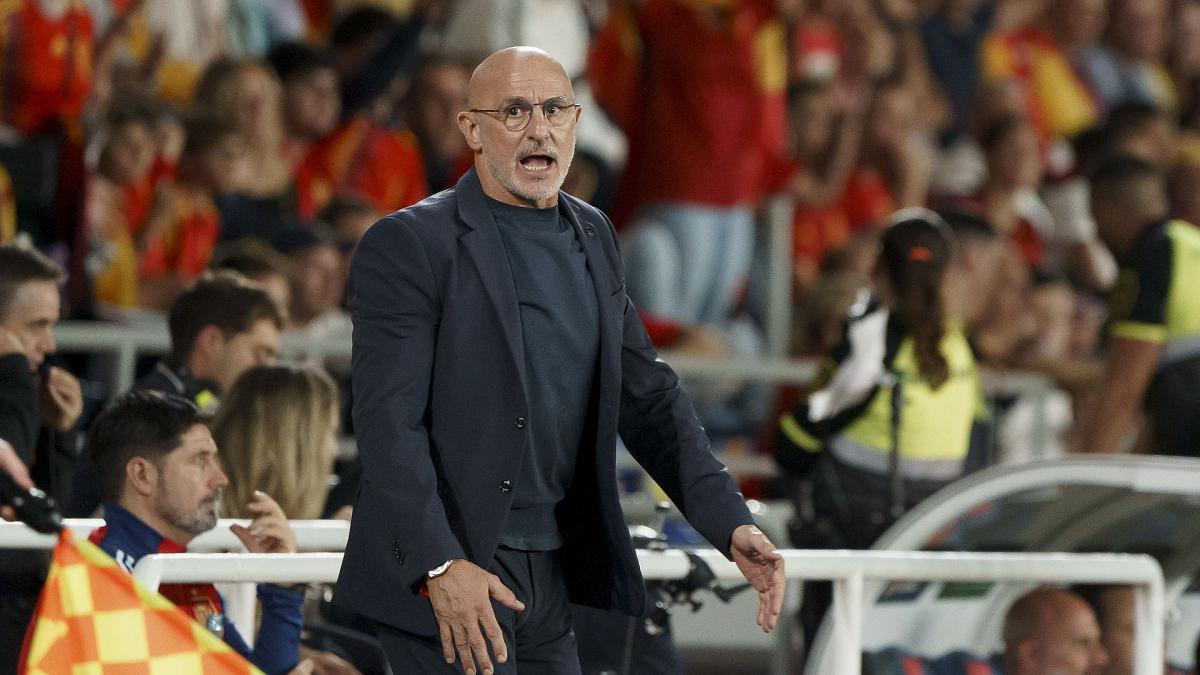
In a press conference, Luis de la Fuente, the coach of La Roja, was confronted with Flick’s comments. His response was minimally engaging. “Today, in my native lands, at this precise moment, I do not remember what Flick said, and that does not interest me,” he claimed. This nonchalant attitude represents a stark contrast to Flick’s expressed concern, reflecting a disconnect between national team management and club expectations.
De la Fuente’s dismissal of Flick’s statement indicates a prevailing trend where certain national teams prioritize their immediate goals over the long-term welfare of players. Just as clubs focus on optimizing player performance and longevity, national teams need to address how they can more effectively manage their resources without compromising player health.
For the young Lamine Yamal, this injury not only casts a shadow on his immediate playing prospects but also highlights the heightened risk of injuries when players are overworked. Having burst onto the scene as a promising talent, the expectation surrounding Yamal has increased, yet balancing club commitments and national duty often places a strain that cannot be ignored.
The Emotional Toll on Young Athletes
The emotional toll on young athletes like Yamal cannot be underestimated. They face immense pressure from fans, coaches, and media alike, all eager for the next big performance. This pressure can result in players pushing through pain or discomfort during international fixtures for fear of letting their country down. This dual responsibility can be overwhelming, especially for someone as young as Yamal, who has already achieved a level of recognition that many peers can only dream of.
For Yamal, bouncing back from his injury will require not only physical recovery but also a robust support system to ensure that he does not feel the weight of expectations too heavily. Clubs, coaches, fellow players, and medical teams need to create an environment where young talents can thrive without the worry of injury or burnout.
The Bigger Picture: A Call for Change
Flick’s concerns symbolically echo a larger crisis in the world of football, where players often find themselves at the mercy of the need for competition and performance. As international matches become heftier in terms of schedules, the risk for fatigue and injury increases exponentially.
There is a growing consensus that reforms are needed, whether it be in how nations schedule friendlies or how player health is prioritized during these international breaks. The call for changes in player management practices is loud, but the path to reform is often tangled with national pride and competitive instinct.
Reevaluating the dynamics between clubs and national teams, particularly regarding player injury management, should become a primary focus for the sport’s governing bodies. It is time for a collective effort among clubs, federations, and players to establish protocols that safeguard athletes’ health, even when the stakes are high.
As the football world awaits more details surrounding the recovery of Lamine Yamal and the potential impacts of his injury on his career, one thing is clear: the conversation around player welfare has never been more relevant. Balancing the demands of club representation with national pride is a complicated endeavor, and it is critical that all stakeholders come together in pursuit of sustainable solutions for the future of the game.