

The Shift to Teleworking: Redefining Power Dynamics in the Workplace
During the pandemic, teleworking emerged as the only viable solution for businesses striving to survive amidst unprecedented challenges. This shift not only transformed how companies operated but also brought about significant changes in the employee-employer relationship . The era of the “great resignation” and the emergence of “silent resignation” empowered employees, forcing companies to reassess their negotiation power in a talent-scarce environment.
As businesses grappled with returning to the office, it became evident that many were attempting to reclaim their previous positions of authority, often at a high cost. This shift has been highlighted by controversial statements from individuals such as Tim Gurner, founder and CEO of Gurner Group, an influential Australian luxury real estate firm.
Controversial Statements on Employee Empowerment
Tim Gurner gained attention for his bold assertions during a financial forum, where he critiqued the current labor market’s dynamics. He claimed, “Employees feel that the company is very lucky to have them, and not vice versa. We need to end that attitude, and that has to get through damage to the economy.” Gurner’s remarks sparked outrage, particularly when he suggested that rising unemployment might be necessary to realign the perception of employee worth. His comments highlighted a growing tension between employers and workers in an evolving job market.
Questionable Salary Trends
One of the arguments cited by employers regarding employee empowerment is the significant increase in salaries since 2020. According to a 2024 remuneration trends study by KPMG, while some companies offered raises of around 5% to counteract inflation, this barely matched the economic pressures employees faced. The report indicated that most salary increases favored intermediate and managerial positions, leaving many employees feeling undervalued.
Mass Layoffs as a Control Mechanism
Gurner did not stop at salary critiques; he also justified mass layoffs as a strategy to regain authority over workers. He posited that increasing unemployment could serve as a means to restore balance in the job market. This perspective reflects a broader trend where corporations turn to workforce reductions to improve their negotiating position, regardless of the toll it takes on employee morale and stability.

The Economic Fallout of Layoffs
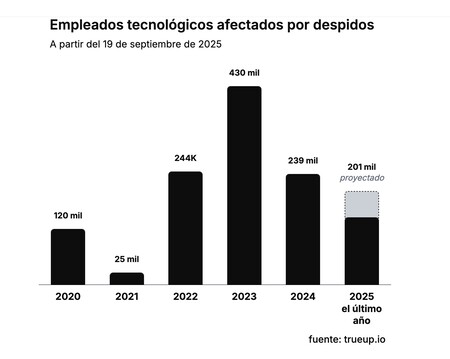
The impact of mass layoffs, particularly in the tech industry, has been stark. Reports from the Trueup Technological Employment Platform indicate that 430,000 layoffs occurred in 2023, with projections suggesting a decrease to 239,000 in 2024. Although such reductions might suggest a stabilization of the job market, many workers have swiftly transitioned to new roles, thus highlighting the continuous demand for talent.
The Implications of High Unemployment Rates
Despite the high number of layoffs, the unemployment rate in the U.S. remained relatively stable at around 3.8% in 2023, rising slightly to 4.3% in 2024. This stability indicates that the demand for skilled workers continues to outpace supply, complicating the narrative of employee excess. The rising unemployment rates have not had the intended effect on employees’ perception of value, which Gurner and others in similar positions sought to manipulate.
Returning to the Office: A Power Play?
The push for employees to return to the office raises questions about whether companies are merely trying to enforce their authority. The rationale provided often revolves around purported declines in productivity, but studies remain inconclusive. Companies face increasing real estate costs and employee dissatisfaction, which can lead to diminished productivity and heightened turnover rates.

Given the unclear data regarding employee productivity and the financial realities of maintaining office spaces, the driving force behind such policies is questionable. Gurner’s remarks reflect a growing sentiment among leaders in industries impacted by these changes, revealing that corporate leaders may prioritize control over adaptability.
In the wake of his controversial statements, Tim Gurner acknowledged the insensitivity of his comments at a critical time for many workers. His subsequent apology underscored the need for empathy and understanding towards those navigating a precarious employment landscape. As companies make strides toward recovery, finding a balance between organizational authority and employee well-being remains a crucial concern.