
The Complex Saga of Israel in World Cup History
With the upcoming 2026 World Cup, the football community watches closely as the possibilities unfold. Recently, Spanish politician Patxi López suggested that Spain might boycott if Israel qualifies—a statement met with controversy. This reflection brings back memories of the fervent desire in the late 1950s when Spains’s national team sought a chance to face Israel in a playoff for the Sweden 1958 World Cup, which famously featured Pelé.
A glance at MARCA from December 14, 1957, reveals a box on its front page: “CONTRINCANTE DE ISRAEL.” It listed the eight teams hoping for qualification, including Spain, and discussed the delay of a crucial draw to determine matchups. Spain, along with teams like Eire, Bulgaria, and Holland, was poised in hopes of eventual success.
For Spain, missing this World Cup was devastating. Competing in a group with Scotland and Switzerland, a disheartening 2-2 draw against Switzerland at Bernabéu Stadium dashed their hopes. Despite a brilliant roster including Miguel, Kubala, Di Stéfano, Luis Suárez, and Gento, Spain ended up out of the running.
Israel’s Unusual Path to Qualification
Meanwhile, Israel, having won its group without facing formidable teams, was an enigma. Their qualifying rounds were marked by walkovers from Turkey, Indonesia, and Sudan. This led to the decision by FIFA to arrange a playoff match against one of seven European second-placed teams, which initiated widespread anticipation regarding the potential matchup with Spain.
However, on December 16, 1957, the pages of MARCA delivered disappointing news: Wales would face Israel instead. Wales won both matches and knocked Israel out of contention, further cementing the tale of missed opportunities surrounding the national team.
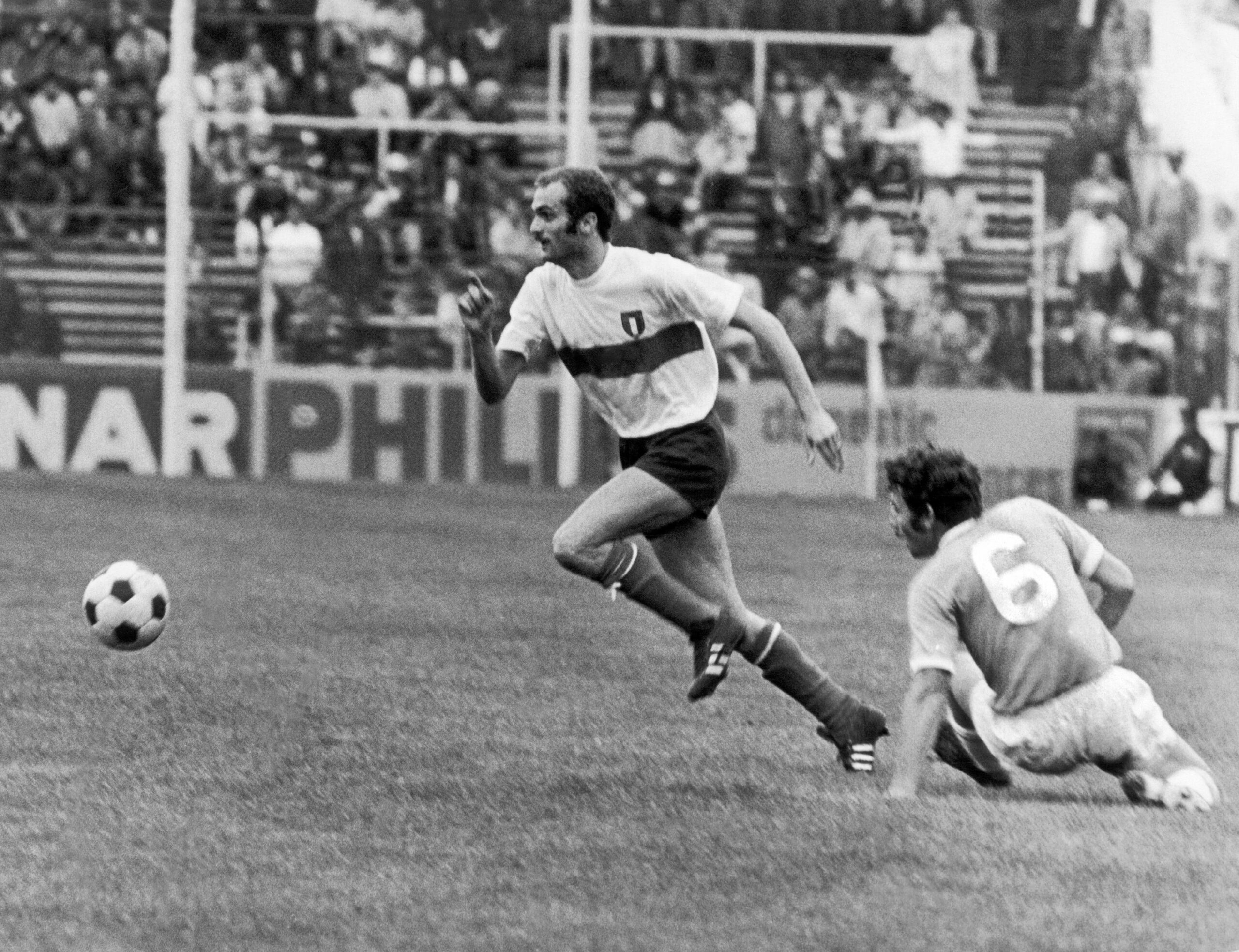
Sandro Mazzola regateando a Shmuel Rosenthal, durante el Italia-Israel.GETTY
Israel’s Participation in International Competitions
As football evolved through the decades, Israel continued to face obstacles in international tournaments. The Asian Football Confederation (AFC) struggled with Israel’s membership, culminating in a situation where many nations refused to compete, leading to the establishment of Israel’s own championship—the Asian Cup—in 1956. Yet, their participation drew limited interest, and as time passed, it became exceedingly difficult for Israel to secure matches against other nations due to political tensions.
By 1966, the FIFA had decided to include Israel in the European qualifying rounds for the World Cup, but they had little success. A series of losses left them with a record of 1 goal scored and 12 conceded during those early years. It wasn’t until the qualifying rounds for the 1970 World Cup in Mexico that Israel finally found themselves participating as a competent side.
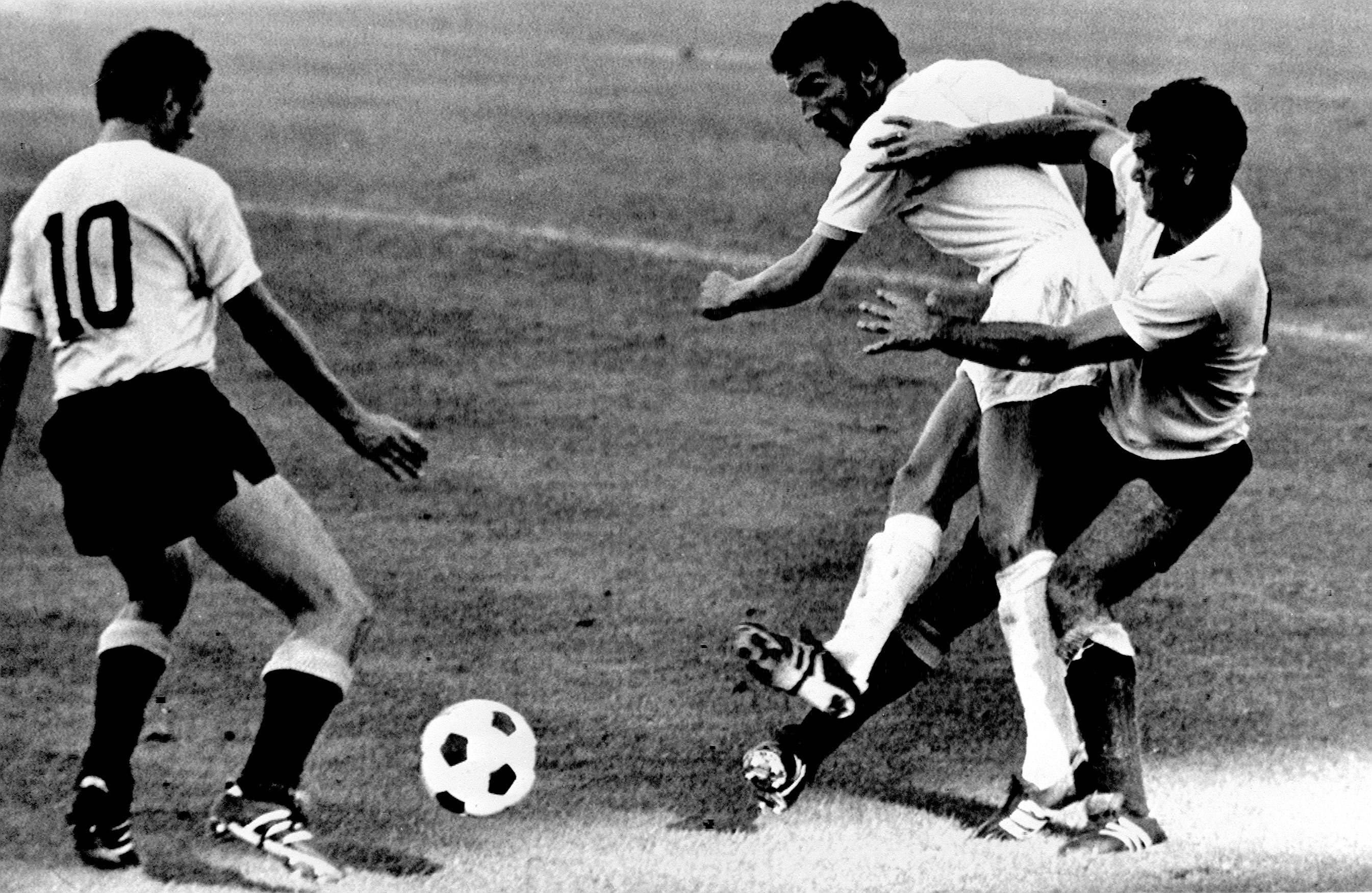
Sri Rosen, ante Luis Cubilla, durante el Uruguay-Israel del Mundial de 1970.GETTY
In 1970, Israel not only qualified but managed to draw matches against strong teams like Sweden and Italy, showcasing their development as a team worthy of respect. Their participation marked a significant shift in Israel’s football story, allowing them to gain international recognition.
Israel’s Current World Cup Endeavors
Currently, Israel finds itself in the UEFA qualification process for the 2026 World Cup, sharing Group I with teams like Norway and Italy. As they navigate this challenging path, they remain third in the group. The upcoming match against Italy will determine their standing and aspirations for a potential playoff.
Such dynamics remind us of the continuous intersection of politics and sports. The mayor of Udine, Alberto Felice de Toni, called the upcoming match “inopportune,” but the push for participation from the Football Federation, led by Gabriele Gravina, reveals the complexities involved. Political sentiments continue to influence the beautiful game, posing difficult questions about sportsmanship and international relations.
As we eagerly await the turn of events, the narrative of Israel’s journey in football underscores centuries-long struggles intertwined with aspirations for equality and recognition in the competitive arena of global sports.