
We do not know the future, and that uncertainty encourages us to cling to the past. The electric car delivers more power and greater control, showcasing a relentless acceleration that surpasses traditional combustion models. Given the weight of current sports cars, it’s no surprise that emerging electric vehicles begin to exhibit similar lightweight figures—particularly impressive when considering the weight-to-power ratio compared to their combustion counterparts.
Recently, BYD unveiled its latest creation, the Yangwang U9 , which has taken the mantle of the fastest car in the world, eclipsing well-known giants like Bugatti . It echoes the sentiments raised when the McMurtry Spéirling outsprinted any gasoline motors in terms of acceleration. However, despite these advancements, the sports electric car still struggles to fully capture the market. Unresolved questions linger about whether models like the anticipated Renault 5 Turbo 3E will defy expectations and become immediate classics.
For many enthusiasts, the sensations these vehicles provide remain unparalleled. Some argue that nothing can replicate the feelings associated with driving a traditional sports car. Nevertheless, substantial evidence indicates that the sports electric car hasn’t yet won over die-hard petrolheads, leading manufacturers to delay electrification plans for many models. A prime example is the forthcoming Porsche 718 , which initially aimed to transition to an all-electric lineup but will now offer combustion options.
Porsche Reconsidering Electric Strategy
“We want to meet the new market realities and change customer demands. We have observed a clear drop in the demand for exclusive battery electric cars, and we are taking it into account.” Those words from Oliver Blume , CEO of Porsche , during a call with investors, signal a strategic pivot . The future Porsche 718 , revered for its mid-engine layout and as an entry point to the Porsche family, will continue to cater to enthusiasts with combustion engines in its more premium configurations.
This shift coincides with the Porsche Cayenne also opting against a transition to an all-electric platform—marking a significant departure from the strategy initiated by the successful launch of the Porsche Taycan . Despite initial positive results, the backlash from the Chinese market has contributed to reshaping their approach. It has also become apparent that affluent clients remain hesitant to transition from their beloved combustion vehicles.
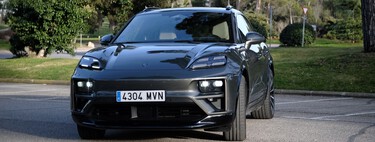
The possibility of a traditional combustion Porsche Macan variant surfacing by 2028 confirms these concerns. Even though the current Macan utilizes a platform optimized solely for electric models, the allure of combustion vehicles remains strong. During previous analyses of the new Porsche Macan Electric , its performance and dynamics impressed, but it struggled against the legacy of its V6 gasoline predecessor. Convincing diehard fans that they should embrace electric performance proves a daunting task.
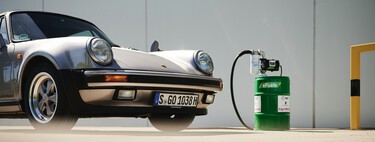
At the heart of the dilemma lies the fact that sports cars symbolize more than mere numbers or efficiency. Social media often parrots the notion that “who can handle an Excel spreadsheet buys an electric car.” While this statement may hold water regarding daily, practical vehicles designed for efficiency, it fails to capture the essence of sports cars. An example is the Mazda MX-5 , which continues to engage drivers with just over 100 horsepower through sensations that no other vehicle manages to deliver.
Drivers often cherish the exhilaration of a manual gearbox or the distinct sound of an engine revving. Such drivers value the experience rather than solely focusing on efficiency. Given that sports cars are often treated as luxurious toys, they bypass rational factors commonly associated with consumer decisions.
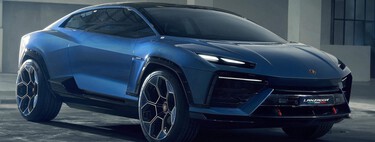
Brands that are synonymous with driving experience find themselves at a crossroads. Companies like Ferrari or Lamborghini might have more leeway to pass along potential fines or costs to customers, but for Porsche—especially with more accessible models—this burden becomes harder to bear. Consequently, a future where combustion models represent the high-end offerings becomes plausible. This duality aids in marketing the more elite versions of the Porsche 718, even if the driving experience remains mostly unreachable for the typical consumer.
As companies prepare for a future that aims towards a complete electrification by 2035, they must still cater to a customer base that hasn’t embraced the electric revolution as anticipated. Particularly in the niche of high-performance sports cars, swift consumer shifts become even trickier due to their preference for the emotional allure of combustion power. This understanding leads Porsche and its competitors to also explore alternative hybrid models capable of satisfying both electric and gasoline enthusiasts.
As the automotive landscape evolves, it will be interesting to observe how manufacturers navigate the complexities of traditional enthusiast desires while meeting regulatory requirements and market trends.