
The Tradition of the Randoseru: Japan’s Iconic School Backpack
In Japan, the backpack is more than just a container for school supplies; it represents a tradition steeped in culture and history. Each year, as families prepare for their children’s entry into elementary school , they embark on a thoughtful quest to choose the perfect backpack, known as the randoseru. This choice is not based merely on aesthetics—colors, shapes, and materials—but rather on a cultural expectation that the randoseru must be the backpack of choice .
Understanding the Randoseru
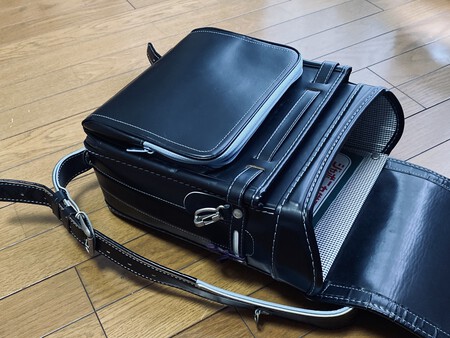
The term randoseru may not be immediately recognizable to many, but its form is widely known. Characterized by a rectangular shape and often constructed from leather, these sturdy backpacks are equipped with straps and a large flap. While their design has remained relatively consistent over the decades, the randoseru’s significance has only grown.
A Historical Perspective
The randoseru’s origins trace back to the late 19th century. The name itself is derived from the Dutch word “ransel,” meaning “backpack.” Initially, these backpacks were used by Japanese soldiers, evolving into a staple for students across the nation by the late 1800s. Influential figures such as Itō Hirobumi, Japan’s first Prime Minister, popularized the randoseru by gifting one to his son. This marked the beginning of a longstanding tradition that persists into the 21st century.
A Symbol of Education and Community
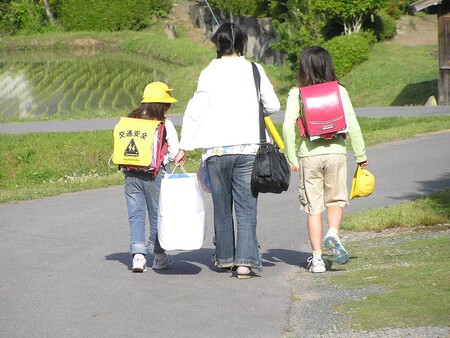
Today, the randoseru is much more than a backpack; it is a community icon that signifies growth and education. From parents to grandparents, the act of choosing the right randoseru has become a ritual-filled experience, reflecting a deep-seated cultural value . The Mainichi Shimbun describes this event as “a rite of initiation,” emphasizing its emotional weight for families.
The Anticipation Before the First Day
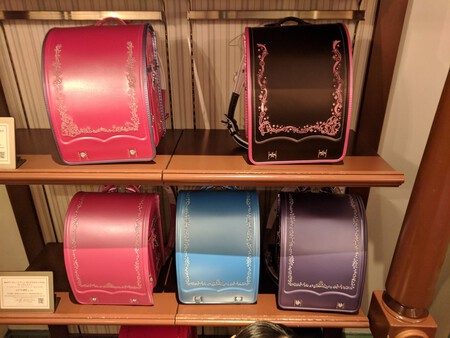
Families often start their search over a year in advance, meticulously analyzing every aspect—from color to design. Department stores such as Isetan even celebrate the process with special events that showcase hundreds of randoseru models. This high level of anticipation reflects the immense importance placed on this milestone.
Current Trends in Randoseru Choices
In recent years, the trend of randoseru has seen a shift. Traditionally, black was favored for boys and red for girls, but newer models now boast a variety of colors and designs. Lavender and pink are particularly popular among girls, demonstrating a broadened appeal. There are even special editions featuring beloved cartoon characters, allowing kids to express their individuality.
Practical Concerns: Weight and Cost
While the randoseru holds cultural significance, it also faces scrutiny regarding practicality. A classic randoseru weighs approximately 1.5 kilograms , and when loaded with books and supplies, some children carry over four kilograms of gear. This can lead to concerns about back strain at a young age. Moreover, quality leather models retail around $380 , with premium versions exceeding $1,000 . However, lighter, more affordable alternatives exist—Nylon randoseru weigh substantially less and can be purchased for under $70 .
The Randoseru Outside Japan
Interestingly, the allure of the randoseru has extended beyond Japan’s borders. Parents in places like Europe have begun exploring the option of outfitting their children with these iconic backpacks. However, challenges arise; the randoseru may not fit seamlessly into school environments where storage and acceptance levels vary.
As the tradition continues, the randoseru remains a symbol of education and childhood in Japan. The anticipation , excitement, and ritual surrounding the selection of this beloved backpack reflect a culture that values tradition while navigating modern challenges. The evolution of the randoseru—from a practical backpack for soldiers to a cultural touchstone for children—illustrates the delicate dance between maintaining tradition and embracing innovation.