
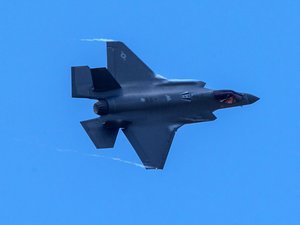
NATO intercepted, on Friday, September 19, three Russian MIG-31 fighter jets that violated Estonian airspace for 12 minutes . This incident provoked a strong reaction from Tallinn , which has requested the activation of Article 4 of the Atlantic Treaty. Moscow, however, has denied any wrongdoing, claiming that the jets adhered to their planned flight path. This situation highlights the ongoing tensions and escalated military activities in the region.
What to Remember
Three MIG-31 Russian jets violated Estonian airspace for 12 minutes on September 19, prompting protests from NATO and the EU; Moscow denies the alleged incursion.
Estonia labeled the incident as “unprecedented audacity” and summoned the Russian diplomat while requesting the activation of Article 4 of NATO, similar to a recent request from Poland.
NATO, the EU, and Ukraine condemned Russia’s aggressive maneuvers; France referred to it as “provocation,” while NATO continues to secure the Baltic skies under its Enhanced Air Policing program.
On September 19, NATO reported that it intercepted three MIG-31 jets from Russia, which allegedly entered Estonian airspace . The occurrence has drawn condemnations from both NATO and the European Union, labeling it a new act of “provocation” by Russia, although Moscow maintains that no airspace violations occurred.
The Estonian government , calling the violation “of an unprecedented audacity,” sought NATO’s assistance by requesting the activation of Article 4 of the Alliance’s founding treaty, which allows for consultations among NATO allies if one perceives a threat. Estonian Prime Minister Kristen Michal emphasized on social media that “Such a violation is completely unacceptable.” This request follows a similar one made by Poland, which experienced incursions from around twenty Russian drones last week.
Three MIG-31 Hunting Planes
The incursion reportedly occurred over the Gulf of Finland , with the Russian jets violating Estonian airspace for a total of 12 minutes . The Estonian Ministry of Foreign Affairs confirmed the breach, and NATO spokesperson Alison Hart characterized it as another example of dangerous Russian behavior. Meanwhile, the Russian Defense Ministry stated that the jets were on a planned flight from Carélie to a base in the Kaliningrad region , a Russian enclave between Lithuania and Poland. They asserted that the jets did not deviate from their designated air route during the flight.
NATO Secretary General Mark Rutte praised the swift and decisive response of the alliance, emphasizing ongoing communications with the Estonian Prime Minister. This incident is part of a series of escalating confrontations that have heightened tensions between NATO and Russia.
“A Systematic Campaign Led by Russia”
In response to the escalating tensions, Brussels proposed new sanctions on Friday, aimed at expanding the list of individuals and entities targeted for their roles in supporting Russia’s invasion of Ukraine. This follows deepening concerns from NATO and allied nations regarding Russian actions in European airspace. Ukraine’s President Volodymyr Zelensky described these incursions as part of “a systematic campaign led by Russia against Europe, NATO, and the West.” Notably, France labeled the incident as both “dangerous” and “irresponsible.”
A Pilot Ready for Action
The Estonian Ministry of Defence indicated that this was the fourth recorded airspace violation by Russian jets this year. The Baltic states —Lithuania, Latvia, and Estonia—rely on NATO allies for their air defense, as they lack their own combat aircraft. The NATO program , initially termed “Baltic Air Policing,” was established in 2004 but was notably strengthened following Russia’s annexation of Crimea in 2014. It has since evolved into “Enhanced Air Policing,” providing a more robust defense posture in the face of Russian aggression.
At the forefront of this defense are fighter jets from various NATO countries, including French Rafales , which are on standby, ready to launch within ten minutes of an alert. According to the French Ministry of Defence , “A pilot is always equipped with his flight combination to ensure immediate readiness.” In case of an enemy incursion, protocols are in place to issue warning shots or engage if necessary, depending on the situation.
The situation remains tense, with diplomatic channels engaged while military readiness is heightened across the region. Both NATO and Estonia are closely monitoring Russian activities to ensure the sovereignty of their airspace and maintain regional security.