
Chelsea’s Struggles in the Champions League: A Clash with Bayern Munich
Chelsea FC faced a significant setback in their Champions League campaign as they were outplayed by Bayern Munich, culminating in a 3-1 defeat in a recent match. The game, which showcased both the brilliance of Bayern’s Harry Kane and the tactical prowess of Michael Olise, revealed glaring weaknesses in Chelsea’s strategy and execution. This loss has raised serious questions about Chelsea’s current form and future prospects, especially in light of their substantial investments in players.
Bayern Munich’s Dominance on Display
From the outset, Bayern Munich demonstrated their technical superiority and tactical acumen. The Bavarians, with Kane leading the charge, was relentless. Kane’s skillful maneuvers consistently _____ troubled the Chelsea defense, leading to goals that left Chelsea scrambling to respond. Olise’s performance was equally commendable, providing crucial assists and showcasing a keen sense of positioning. Chelsea’s inability to contain these key players ultimately proved to be their downfall.
According to Jamie Carragher, a prominent football analyst, Chelsea’s current trajectory shows clear limitations. During a debriefing on CBS, Carragher addressed the significant gap between what was expected from the club and the reality they are facing: “All the money invested does not yet allow to create a reliable collective at this level.” He emphasized that investments alone do not guarantee success on the pitch; cohesive teamwork and effective strategies are equally essential.
A Question of Strategy
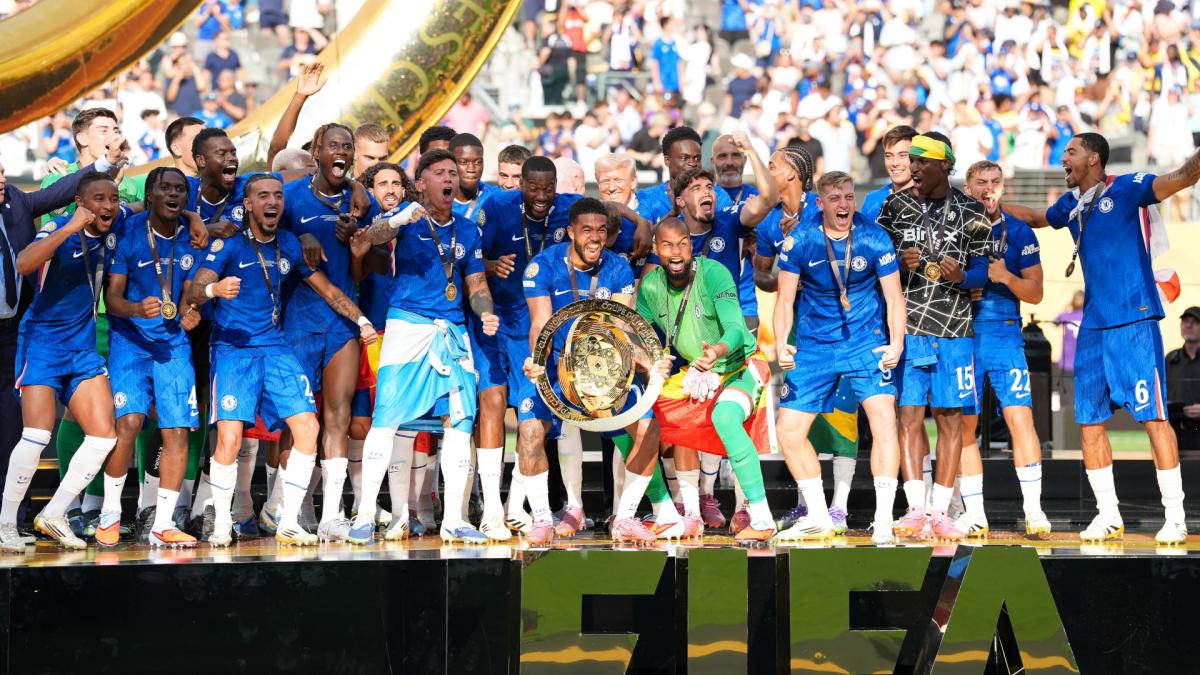
The analysis took a more critical turn as Carragher posed rhetorical questions regarding Chelsea’s objectives. “Is Chelsea there to transfer players or to win trophies?” he challenged. His comments ignited a back-and-forth discussion with former Manchester City player Micah Richards. While Richards pointed out that Chelsea had secured two trophies in the previous season, Carragher’s sarcasm—mentioning the “Mickey Mouse trophy” earned through the Club World Cup—accentuated his frustration. This highlights an essential theme: the expectations held for elite clubs, especially those that have spent significantly in the transfer market.
Despite Chelsea’s previous silverware, Carragher noted that such achievements seem insignificant when weighed against their considerable expenditures. “How is it possible when you spent 2 billion pounds sterling?” he questioned, indicating a disconnect between investment and performance.
The Financial Reality
Chelsea’s financial commitments, approaching £2 billion, raise fundamental questions about their overall strategy. The staggering amount indicates an urgent need for a more strategic approach in developing a cohesive unit capable of competing at the highest level. Observers are increasingly concerned that without a solid foundation of teamwork and tactical planning, even the most expensive squad can falter against more coordinated opponents like Bayern.
In the world of football, merely acquiring talent does not translate to immediate success. The complexity of building a successful club requires incorporating individual skills into a harmonious collective. Consequently, the frustration surrounding Chelsea is magnified when viewed against the backdrop of their outlay.
A Glimpse into the Future
Following this disappointing match, the pressure will only mount on Chelsea’s management and coaching staff. Supporters will demand to see results in both domestic and European competitions. The next few matches will be crucial—not just for points, but also for rebuilding confidence and demonstrating that they can turn things around.
With the likes of Kane and Olise showcasing how effective teamwork can translate into victories, Chelsea must reflect on their current model. Will they continue to remold their tactics, or remain stuck in a loop of poor performance despite significant investment? The coming weeks will be telling as they seek to regain their footing.
The ongoing dialogue surrounding Chelsea’s future serves as a reminder that in today’s football landscape, success is measured not just by the talent on the roster, but by the effectiveness of the team’s collective efforts. Transitioning from a group of individuals to a synchronized unit is a challenge that Chelsea must confront head-on if they aspire to compete with the very best.
In conclusion, Chelsea’s recent Champions League performance serves as a crucial wake-up call. As competing teams demonstrate what cohesive teamwork and effective strategies can achieve, Chelsea must rise to the challenge of transforming their collective talent into tangible success on the pitch. The season is still young, and while doubts linger, there remains hope for a turnaround. The spotlight will be on the club as they endeavor to rise above their struggles and reclaim their status among football’s elite.