
Tim Burton has firmly cemented himself as one of Hollywood’s most venerated filmmakers . His filmography is a mixed bag, showcasing remarkable successes alongside more commercial failures . Yet, what remains undeniable is Burton’s unique aesthetic and his distinct visual designs that consistently draw audiences in. Recent box office triumphs like *Bitelchús Bitelchús* and the success of *Wednesday* on Netflix invite us to explore his body of work. Below is an examination of some of the best films from Tim Burton’s illustrious career.
Pee-wee’s Big Adventure (1985)
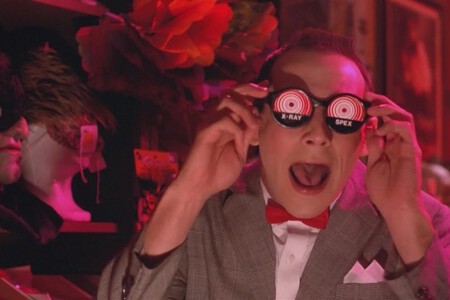
This film marked the directorial debut of Tim Burton, alongside the iconic Paul Reubens, who portrayed the quirky Pee-wee Herman. The film’s charm lies in its whimsical storyline, which features Pee-wee’s quest to find his stolen bicycle, reflecting the child-like wonder prevalent in Burton’s works. Despite being whimsical, it also offers a reality check, examining the absurdities that often accompany adulthood.
Beetlejuice (1988)
In *Beetlejuice*, Burton introduces viewers to a sinister yet humorous world . With the help of a modest budget, he explored themes that aligned perfectly with his artistic vision, including marginalized characters and a playful exploration of the paranormal. The film features Winona Ryder in a story that ingeniously toys with the notion of life and death, establishing a realm where the living are often scarier than the deceased. This blend of macabre and comedy has made it a cult classic .
Batman (1989)
Considered the catalyst for modern superhero films, *Batman* not only redefined the character but also revitalized Hollywood’s approach to comic book adaptations. The film masterfully combined dark aesthetics with an engaging storyline. While it may seem somewhat campy by today’s standards, its iconic visuals and memorable performances solidified its status as a foundational entry in superhero cinema.
Edward Scissorhands (1990)
*Edward Scissorhands* delivered a captivating blend of romance and fantasy. In this heartfelt tale, Burton collaborated once again with Winona Ryder, illuminating the struggles of isolation and the desire for acceptance. Edward, portrayed by Johnny Depp , becomes a metaphor for the misunderstood outsider, and the film is filled with stunning visuals that highlight the eerie yet beautiful elements of suburban life.

Batman Returns (1992)
Ed Wood (1994)
With *Ed Wood*, Burton exhibits a remarkable ability to blend comedy and tragedy by chronicling the life of the ” worst director in film history.” This unique biopic pays homage to the audacity and fervor that drive passionate filmmaking. Burton’s romanticized vision of Hollywood, along with the eccentricities of Wood’s crew, brings an infectious charm to the narrative, providing insight into the underbelly of cinema.
Mars Attacks! (1999)
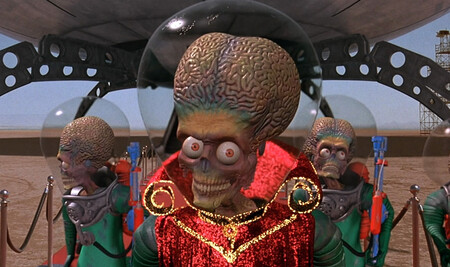
*Mars Attacks!* showcases Burton’s penchant for satire , as it serves as a humorous take on alien invasion narratives. Featuring an ensemble cast of stars, including Jack Nicholson and Sarah Jessica Parker , the film successfully combines gore and comedy , resulting in a progressive critique of societal norms and media representation.
Sleepy Hollow (1999)
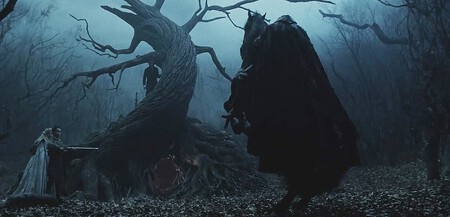
*Sleepy Hollow* delivers a visually stunning homage to classic horror narratives, merging an eerie atmosphere with complex character arcs. Johnny Depp, in the role of Ichabod Crane, explores themes of fear and human instincts, all within a mesmerizing gothic setting. It solidifies Burton’s ability to weave together visceral visuals with thought-provoking storytelling.
Sweeney Todd: The Demon Barber of Fleet Street (2007)
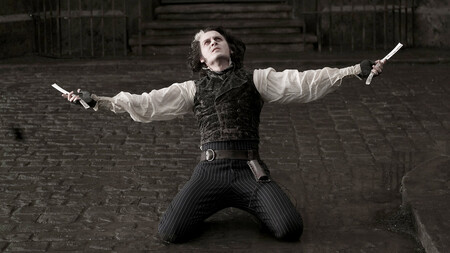
With *Sweeney Todd*, Burton achieves a remarkable adaptation of the beloved stage musical. This film showcases his gothic charm in full swing, with Timothy G. Burton ‘s over-the-top yet beautiful visual storytelling that captivates audiences. This morbid yet strangely romantic tale remains a high point among his later works.
Alice in Wonderland (2010)
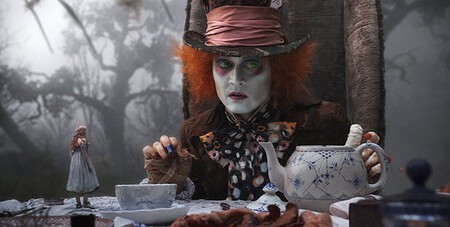
While *Alice in Wonderland* received mixed reviews, its striking visuals and innovative interpretations offered a unique twist on Lewis Carroll’s classic tale. Despite its deviations from the source material, the film’s chaotic energy and distinctive characters, such as the Red Queen , resonate well with audiences, proving impactful in popular culture. However, it has sparked discussions about Burton’s adaptation choices and stylistic decisions.
Frankenweenie (2012)
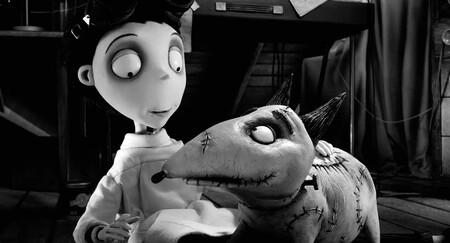
*Frankenweenie* serves as a heartfelt tribute to the classic expressionist cinema. A stop-motion masterpiece, it tells the story of a young boy resurrecting his dog, intertwining nostalgia with Burton’s signature dark humor . This film reconnects with his previous works and affirms his standing in the realm of animated features .
Beetlejuice Beater (2024)
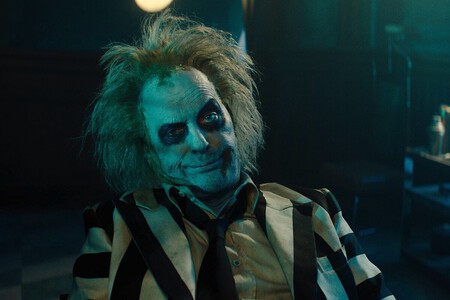
While skepticism surrounded the release of this sequel, *Beetlejuice Beater* has generated renewed excitement. Leveraging the recent success of *Wednesday*, Burton gathers original cast members such as Michael Keaton and Christina Ricci , along with new talents to breathe fresh life into the beloved franchise. Although it may lack the raw energy of its predecessor, it combines inventiveness and macabre humor , inviting both old and new fans into its supernatural realm.
In summary, Tim Burton’s filmography is a diverse tapestry of narratives and visual adventures that forever captivates audiences. From the whimsical wonder of *Pee-wee’s Big Adventure* to the modern resurgence of *Beetlejuice Beater*, the evolution of Burton’s filmmaking is nothing short of remarkable, establishing him as one of the industry’s most innovative voices. Whether you prefer his early quirky escapades or his bold attempts at blockbuster adaptations, each film offers a unique glimpse into the mind of a true cinematic auteur.