
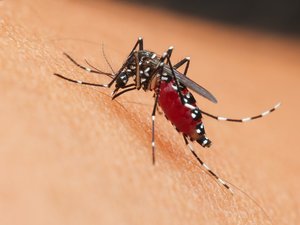
The Western Nile Virus wreaked havoc in Italy this summer, causing the unfortunate demise of 39 individuals . In France , dozens of new cases of this viral infection have been reported since August, particularly affecting regions where the virus had already devastated animal populations the previous year. With such alarming developments, it raises the question: should we be genuinely concerned?
Last summer, the Camargue and Hérault regions experienced the highest impact of the Western Nile Virus, resulting in tragic outcomes for both horses and local residents in Baillagues and Vauvert . The virus then seemed to vanish from public consciousness until early June 2025 when new incidents of animal infections were noted in southern France. This resurgence ultimately led to detections of the virus in humans later on.
Dozens of Cases This Year
This year’s troubling developments began with two confirmed cases in Béziers , quickly extending to the Paca region and even Île-de-France . There’s no denying it: this tiny but formidable pathogen, which spreads through mosquitoes, has made a pronounced return. As of summer’s end, France recorded 23 human cases , as reported by The Parisian.
In contrast, Italy has been significantly impacted. The nation documented 582 cases , with 39 fatalities recorded this year, including 20 deaths in 2025, as indicated by the Order of Doctors in the region. Out of these cases, only 48 individuals were asymptomatic. In many instances, the virus can provoke severe neurological symptoms , sometimes leading to death within a short span.
Moreover, the virus’s reach extends beyond Europe. According to a report from the news agency AP, reported cases in the United States have surged by 40% this year. As of early September, the CDC recorded 770 cases , with 490 classified as severe.
80% of Cases Are Asymptomatic
The rapid increase in virus transmissions may understandably incite fear. However, it is crucial to note that approximately 80% of infections are asymptomatic , according to the Pasteur Institute. The 80% figure is often underrepresented in current statistics since people typically do not undergo testing when not exhibiting any symptoms.
Statistically, only 1% of infections could lead to neurological complications, predominantly affecting the elderly and those with compromised immune systems. This raises the emphasis on careful monitoring and proactive public health measures to combat the virus’ spread.
The primary objective remains to combat the proliferation of mosquitoes around urban areas. These detrimental insects are responsible for transmitting the virus after feeding on infected birds. Various public health initiatives aim to mitigate mosquito populations, particularly in locales densely populated by humans, thereby minimizing the risk of outbreaks.
In light of the current situation, it becomes crucial for individuals to stay informed about potential risks and preventative measures. Awareness campaigns and community engagement play pivotal roles in protecting public health. Proper sanitation, eliminating stagnant water, and using mosquito repellents can significantly reduce opportunities for these insects to thrive and spread the virus.
Although public concern is warranted given the rise of the Western Nile Virus in both Italy and France, understanding the asymptomatic nature of most infections offers some reassurance. Continuous efforts to manage mosquito populations and public health awareness can further mitigate the impact of this virus. As evidence suggests, while the virus remains a threat, being proactive can significantly reduce risks and help keep communities safe.