
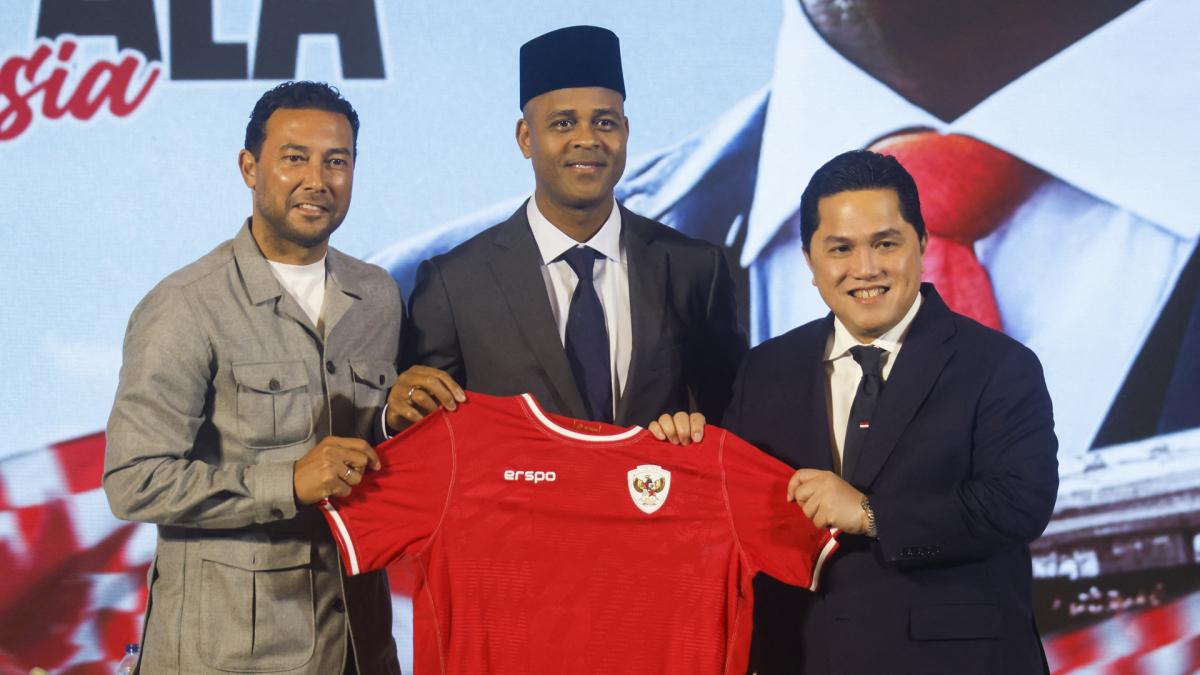
Indonesia: The Emerging Power of Football in Asia
In just a few weeks, Indonesia will find itself at a pivotal moment in sporting history, facing Saudi Arabia in a crucial match during the 4th round of the qualifiers for the 2026 World Cup . This encounter not only electrifies tensions among fans but symbolizes Indonesia’s rising ambitions to become the new Eldorado of Asian football. With a population exceeding 270 million , Indonesia is set on a path to cater to its large sporting hopes that have surged over the past five years.
Football in Indonesia has transcended being merely a game and transformed into a cultural phenomenon . The BRI Liga 1, Indonesia’s premier football league, has witnessed an unprecedented growth, with crowds resembling those of the best leagues in the region. Teams like Persija Jakarta , Persib Bandung , and Persebaya Surabaya continue to captivate audiences, drawing tens of thousands of fans to stadiums. The grand opening of the Jakarta International Stadium, seating 82,000 attendees, marked a significant milestone in this groundbreaking evolution. In 2023, over several million spectators flocked to matches, with per-game attendance ranging from 5,000 to 10,000 , according to official reports. The vibrancy of these matches has invigorated local economies, transforming host cities into bustling hubs of activity, contributing to catering, transport, and small businesses.
Beyond the numbers, football has become an integral element of social identity in Indonesia. Groups of passionate supporters, often referred to as ultras , take center stage in urban culture with their choreographed tifos and songs. Clubs have modernized their outreach efforts, leveraging digital platforms to connect with a hyperaware youth audience. This shift is underscored by the recent naming rights agreement with the BRI bank, demonstrating how football has evolved into a cultural consumer product , with sponsors eager to tap into a fanbase estimated at over 200 million enthusiasts. Liga 1 has emerged as one of the most sought-after audiovisual products in the nation, leading to burgeoning broadcasting deals.
The Road to the World Cup: Challenges and Opportunities
While Indonesia aspires to qualify for the World Cup, the dream of hosting such a grand event has also bubbled to the surface. Previously, Indonesia and Australia explored a joint bid for the 2034 tournament, a plan later shelved in favor of Saudi Arabia. However, Indonesia possesses credible strengths: a passionate populace, a growing market, new and expansive stadiums, and a strategic geographical position in Asia-Pacific . Yet, significant challenges remain, including the need for improved transport infrastructure , bolstered security at stadiums, and winning FIFA ‘s confidence in managing a major international event. The unfortunate incident at Malang in 2022 still looms large in the minds of many.
With a renewed political focus on football, the Indonesian government has made strides to prioritize the sport. The Ministry of Youth and Sports (Kemenpora) has earmarked substantial funds in its 2025 budget for infrastructure and youth training initiatives. The PSSI (Football Association of Indonesia) is also seeing improvements in transparency and governance, drawing in private sponsorship to help propel football towards professionalism. The synergy of public and private investments has paved the way for Indonesia to align more closely with standards seen in other parts of Asia.
Building a Competitive Future
The results of these initiatives have been promising. Once a footnote in high-level football, Indonesia is now ascending in the FIFA rankings , striving to become competitive in the Asian arena. Key strategies include naturalizing players from the Indonesian diaspora , especially from the Netherlands, and fostering homegrown talent through quality football academies. Recent developments include the establishment of a modern training center, supported financially by the FIFA Forward program , which allows U-15, U-17, and U-20 teams to access high-quality training facilities.
FIFA’s role in this evolution is also noteworthy. Gianni Infantino, the president of FIFA, hailed Indonesia’s advancements during his visit, emphasizing the need for collective growth across regions. The establishment of the new FIFA offices in Jakarta presents a unique opportunity to strengthen football not only in Indonesia but in East and Southeast Asia as a whole. Despite past controversies surrounding the U-20 World Cup, Indonesia is now experiencing a resurgence, additional support from FIFA, and ongoing governance reform that positions it for future success.
As Indonesia prepares for its clash with Saudi Arabia, this match will be more than just a game; it symbolizes the hopes of a nation poised on the brink of a football renaissance . The ambitions articulated reflect a collective yearning that stretches beyond the pitch and into the very fabric of Indonesian society, igniting a passion that promises to transform sporting culture in the region for years to come.