
Mongolia’s Football Renaissance: A Structured Approach to Development
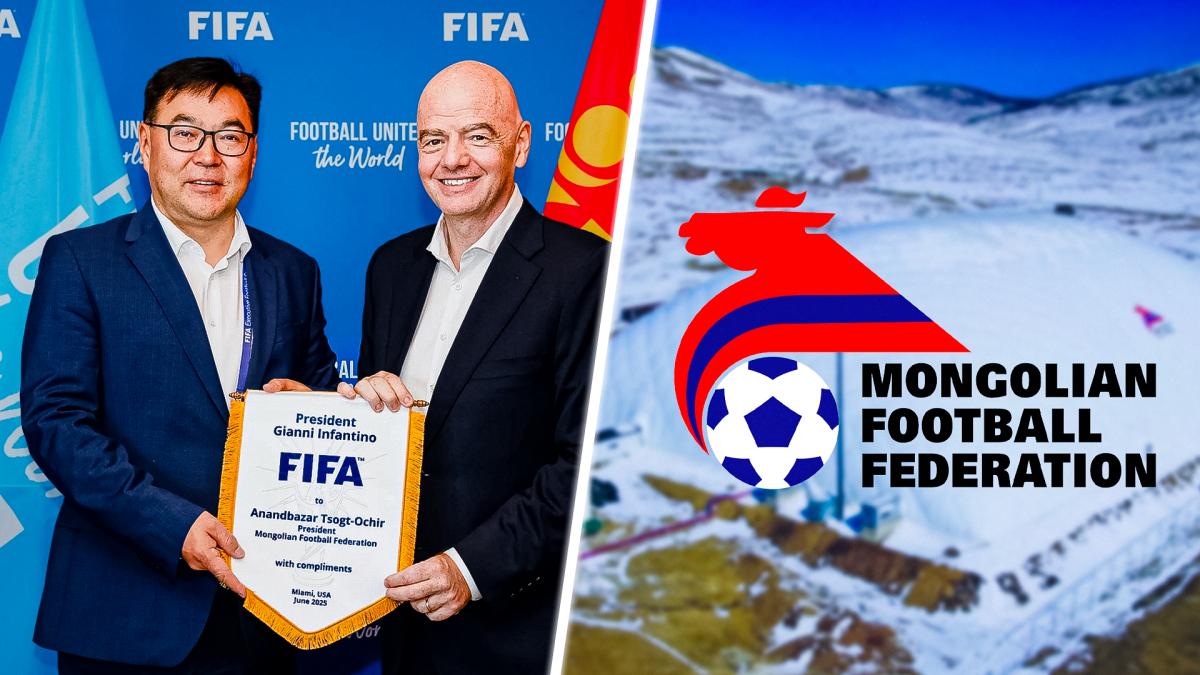
While many Asian countries are engaged in fierce competition for historical qualifications for international tournaments like the World Cup, Mongolia is taking a markedly different route. The nation is committed to developing its football infrastructure in a structural and sustainable manner. This initiative encompasses efforts at both the national and regional levels, focusing on essential areas like training, infrastructure, and governance to bridge the existing gap. Supported by FIFA through the FIFA Forward program, local sports authorities have embarked on initiatives that include unprecedented investments in infrastructure, such as the MFF Football Center in Ulan-Bator, which features synthetic turf and an inflatable dome. This facility allows teams to train year-round, overcoming the challenges posed by Mongolia’s extreme winters.
A Long-Term Vision for Competitive Football
The strategies being implemented are part of a well-defined long-term plan aimed at creating a robust foundation that will eventually enable Mongolia to compete on a broader regional stage. The Mongolian Football Federation (MFF) is instituting deep reforms aimed at the professionalization of the sport. This includes the implementation of training programs for coaches, referees, and young players in partnership with FIFA and the Asian Football Confederation (AFC). The overarching goal is not just the immediate improvement of gameplay but also the establishment of a sustainable model for future generations.
Regional leagues are undergoing significant restructuring, and the certification of clubs is gaining momentum. The recent changes in the Mongolian Premier League (MPL) illustrate this progress. For the 2024-2025 season, a total of 135 games were played, yielding 622 goals scored, with the SP Falcons emerging as champions, securing 61 points and netting an impressive 99 goals. Such statistics are a clear reflection of increasing competitiveness, promising a higher caliber of play as time goes on. Clubs are not just focusing on immediate gains; they are investing in youth development programs and entering international partnerships to enhance their recruitment and training efforts.
Unique Innovations to Combat Climate Challenges
Mongolia’s climatic challenges are unique, but the country continues to showcase ingenuity in overcoming these hurdles. The inflatable dome at the MFF Football Center is a game-changer, enabling training sessions even when temperatures plummet to -45 °C. Multiple synthetic pitches have also been established across Ulan-Bator and key provincial cities, complete with lighting and heating systems, ensuring that football can be played throughout the year.
These advances are not limited to professional teams; they offer access to football for countless young boys and girls through educational and social initiatives. This model of modernization is rare in a country where climate and geography have historically made regular practice nearly impossible. FIFA and AFC contribute approximately $1 million annually to support the MFF, a significant portion of which is allocated towards these innovative infrastructures.
In 2017, the MFF reported total income ranging from 2.9 to 3.5 billion tugriks (around $1.1 to $1.3 million), with substantial funding coming from international programs. Out of MFF’s expenditures of 3.4 billion tugrik that year, 40.7% was dedicated to national teams, and 20.1% to regional football associations. With around 6,000 licensed players in 2017, the figure has likely grown due to ongoing investments in both infrastructure and youth development initiatives.
Football as a Unifying Force
Despite the harsh climate, the enthusiasm for football is on the rise in Mongolia. The national team made headlines by attracting a record crowd of 15,266 spectators to a match against Cambodia in 2024, marking a historic achievement for the nation. In a landscape that has traditionally celebrated sports like archery, football is emerging as a powerful unifying force, fostering social cohesion among the populace.
Youth programs and local academies play a significant role in enhancing this dynamic, extending the sport’s reach beyond the capital to remote regions through modular facilities and community partnerships. Gianni Infantino, FIFA’s president, lauded the efforts of the Mongolian Football Federation during a recent meeting, noting the tremendous strides the country has made and encouraging the ongoing progress.
A Vision for the Future
Looking ahead, Mongolia aspires to carve out a competitive space for itself within the Asian football scene, with sights set on participating in continental competitions such as the Asian Cup and the World Cup qualifiers. However, the immediate focus remains grounded in strengthening clubs, nurturing young talent, and modernizing infrastructure.
Mongolia’s ambition is palpable, with plans for additional facilities, including a second inflatable dome. By cautiously building its football framework, the nation is transforming the sport into a patriotic project supported by international partners and an increasingly engaged local community. Far from the usual media spotlights, Mongolia stands as an emerging example of progressive yet ambitious growth in the realm of Asian football, carving a unique identity that could redefine its sporting future.