

Apple has just unveiled the highly anticipated iPhone 17 lineup, including the iPhone 17 Pro and iPhone 17 Pro Max . However, one noteworthy absence in this release is the iPhone Plus model, which has been replaced by the new iPhone Air . This shift highlights Apple’s ongoing evolution and desire to dominate not just in the smartphone market, but also in innovative design.
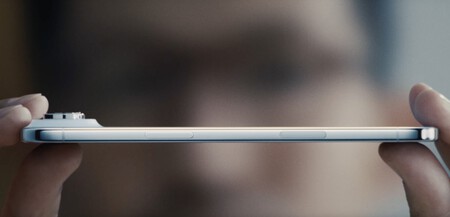
For years, Apple has sought to perfect the concept of a fourth iPhone model. Unfortunately, past efforts like the iPhone 5C in 2013 did not fare well in the competitive landscape. The truth is, this year there is no iPhone 17 Plus because the market is shifting towards ultra-slim devices . The iPhone Air has stepped into this niche, boasting a remarkable thickness of just 5.6 millimeters . This places it in direct competition with Samsung’s Galaxy S25 Edge, representing Apple’s venture into previously unexplored territories.
The iPhone Air and Innovative Vision
Before the launch of the iPhone 5s, Apple traditionally released one model each year. However, as competition intensified, the company expanded its offerings to include the iPhone 5C. Unfortunately, its bid to attract more budget-conscious consumers fell flat, while larger Plus models like the iPhone 14 and 15 were introduced to cater to the growing demand for larger screens.
Despite Apple’s attempts at diversification, smaller devices like the iPhone 12 Mini and iPhone 13 Mini struggled to gain traction as consumer preferences leaned increasingly toward larger displays. The situation reached a crucial point where even companies like Asus abandoned their compact models in favor of larger offerings, as larger screens became the de facto standard.
Apple recognized this shift and began releasing Plus models that offered bigger displays and improved battery life. However, the trend didn’t quite resonate with consumers. Many customers opting for the standard model were not inclined to spend extra for features that did not substantially improve the experience. Instead, they found that for a marginal increase in price, they could purchase a Pro model , leading to disappointing sales for the Plus lines.
<pThis recent pivot away from Plus models has allowed Apple to explore a fresh direction with the iPhone Air. Unlike previous efforts, this device does not carry a “17” designation, as it is considered a unique offering within Apple’s lineup. The iPhone Air is not simply a scaled-back version of the iPhone 17; instead, it arrives as an innovative standalone product.
The iPhone Air is equipped with a single camera and utilizes the same A19 Pro processor found in the Pro models. This indicates a decisive strategy to appeal to consumers seeking a balance between performance and design aesthetics. Apple aims to create a device that does not fall into the categories of “cheap iPhone” or “most professional iPhone,” but stands out as a unique product that can draw attention on its own merits.
Revisiting Jony Ive’s Vision for Apple
The effectiveness of this strategy will ultimately depend on market response. As the sales numbers begin to roll in, it will become evident whether consumers are willing to pay a premium for a phone that sacrifices some functionality for the sake of being ultra-thin . The iPhone Air’s price places it in a complex landscape—€260 more expensive than the iPhone 17 yet €100 less than the iPhone 17 Pro—making it essential for potential buyers to fully understand its capabilities and limitations.
Furthermore, the introduction of the eSIM technology adds another layer for consumers to consider. For those who prioritize design and portability over battery life, the iPhone Air could be a compelling choice. Apple has faced criticism in recent years for lagging behind certain trends, but with the launch of an ultra-slim device, it appears ready to challenge the competition. Other brands like Tecno have also been exploring this space, indicating that the market for ultra-thin smartphones may soon expand significantly. As consumers weigh the pros and cons, it will be fascinating to see whether Apple’s strategic gamble pays off.