
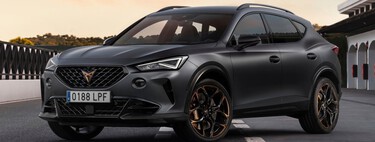
Volkswagen’s Electric Future: The ID. Polo, Cupra Raval, Skoda Epiq, and ID. Cross in Spain
Volkswagen is betting big on urban electric vehicles in Spain by commissioning the production of four key models: the Volkswagen ID. Polo , Cupra Raval , Skoda Epiq , and Volkswagen ID. Cross . These cars will be pivotal in shaping the company’s medium-term strategy, focusing on affordability and sustainability in the rapidly evolving EV market.
The production will span two major locations in Spain: Martorell (Barcelona) for the ID. Polo and Cupra Raval, and Landaben (Navarra) for the Skoda Epiq and Volkswagen ID. Cross. This announcement was confirmed during the IAA Mobility exhibition in Munich, which emphasizes electric vehicle innovations.
The expected pricing for these models will be just above €25,000 , positioning them as ‘affordable’ options within the Volkswagen group. This strategic move aims to offer a competitive edge in a market that increasingly demands sustainable alternatives.
25,000 euros electric car hub. The introduction of these models is promising news for workers in Spain, particularly at the Martorell plant, which has established itself as a central hub for Volkswagen’s strategy. Coupled with a battery plant nearby, this location is well-poised to become a key supplier of electric vehicle components.
Landaben is also gaining momentum with the Volkswagen ID. Cross , currently in concept phase but expected to become a critical player in the market. The new Epiq aims to serve as the affordable choice, leveraging the popularity of the SUV body style, which offers increased battery capacity without sacrificing passenger space.
Investment. Volkswagen has committed a staggering €10 billion toward this initiative, with 70% of the investment allocated directly to company operations. This includes €3 billion dedicated to electrification in Barcelona and €1 billion in Navarra, plus another €3 billion for the Sagunto plant. The remaining funds will support auxiliary companies engaged in the assembly process.
Key models. With these four new models, Spain has secured its position as a vital region for Volkswagen’s future, aiming for a substantial increase in sales of electric vehicles—a category poised for growth as the market demands increasingly stringent emission standards.
The sale of these automobiles is particularly important as regulations dictate that manufacturers reduce average emissions to below 93.6 g/km by 2027. With these benchmarks tightening, the need for mass adoption of electric vehicles becomes more urgent, especially as targets become even more ambitious by 2030 .
As long as political plans proceed as expected, Volkswagen’s investment in Spain is set to play a transformative role in the company’s financial outcomes, with an emphasis on these competitively priced models that could attract a broader consumer base.
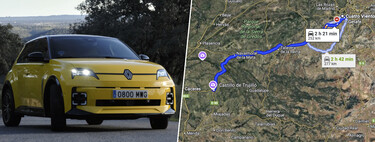
The risk. However, the potential drawbacks cannot be ignored. There exists a tangible risk that these models may not perform well in the market. Although manufacturers face pressure to push electric vehicles due to regulatory requirements, consumer hesitation regarding a €25,000 electric vehicle—ideal for urban settings yet challenged for long-distance travel—remains a significant concern.
At present, an electric vehicle that is compact and versatile for all situations remains elusive. For instance, the role traditionally held by vehicles like the Seat Ibiza is threatened without significant electrification efforts.
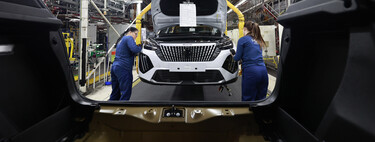
Spain, leader. Spain has carved out a niche in the electric vehicle sector, presenting itself as an attractive option for manufacturers looking to produce affordable models despite the competitive threat from regions such as Morocco. This positioning could redefine the landscape for carbon-efficient auto manufacturing.
Volkswagen’s commitment extends beyond its brand, with Stellantis also producing smaller models in Spain, with facilities in Vigo and Zaragoza pivotal for the development of vehicles on the Stla Small platform . This strategic maneuvering highlights the battle for market share in the electric vehicle sector, particularly against nations with higher operational costs, which struggle to justify production expenses.
Photo | Volkswagen
For further insights into the economic comparison of car prices against salaries, refer to our analysis at Xataka.