
The Persistent Plague of Racism in Spanish Football
Racism has long been a blight on the beautiful game, manifesting itself in numerous ways since football’s inception. In Spain, this issue remains particularly acute, with numerous high-profile incidents making headlines over the years. Despite extensive discussions around this sensitive topic, the country’s top leagues continue to grapple with the challenge of eradicating racism from the stands.
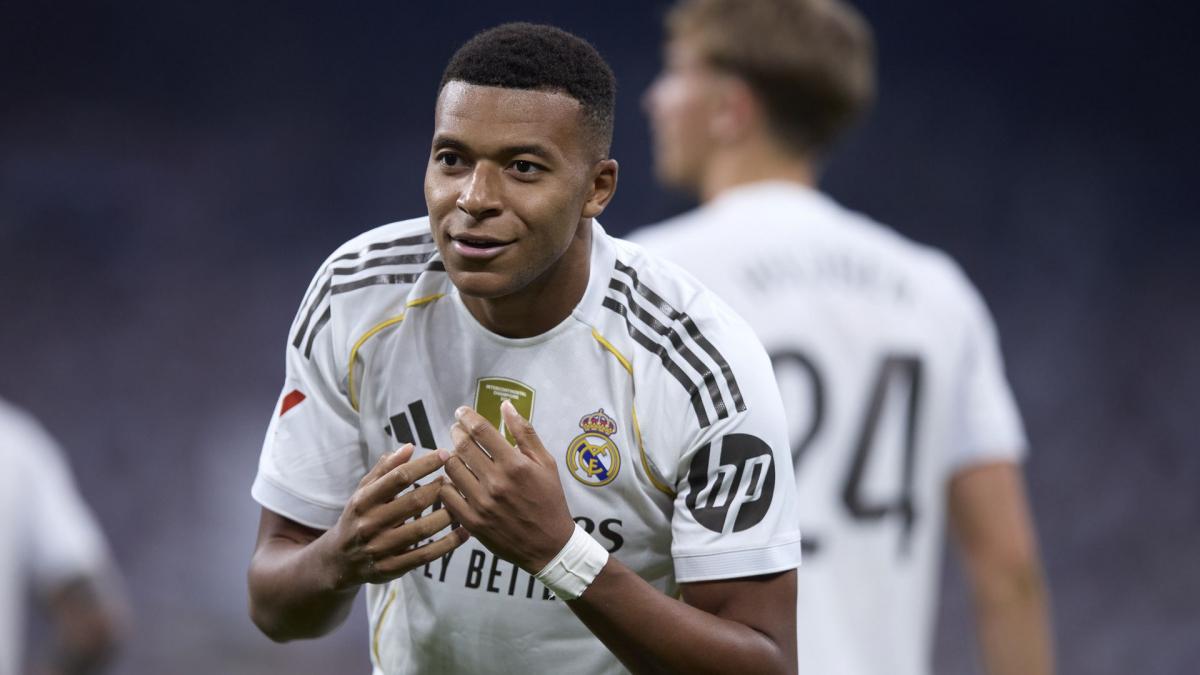
Kylian Mbappé, the French forward who has recently been in the spotlight, is among the recent victims of racism within Liga enclosures. His experiences highlight an ongoing issue that not only affects players but also the integrity of the sport itself. Mbappé’s rising stardom in football has brought attention to the stark reality that, even in 2025, professional athletes can still be subjected to abominable behavior simply because of their race.
In an insightful interview with M6, the 2018 World Cup winner shared his thoughts on the state of racism in football, emphasizing the need for continued vigilance. “It was a somewhat special event. I saw it afterwards. At the time, we did not necessarily hear. I felt nothing because I heard nothing but it is something distressing,” he confessed. This statement underscores the insidious nature of racism, which can be subtle yet profoundly damaging.
The Role of Football Authorities and Clubs
Despite the ongoing back-and-forth, football governing bodies and clubs are often criticized for not taking effective action. While they issue condemnations and promises of zero tolerance, many fans remain skeptical about the actual impact these statements have. The inconsistencies in applying punishments for racist behavior create an environment where such actions can continue to proliferate.
Clubs must do their part by not only condemning racism but also implementing rigorous training programs to educate players, staff, and supporters alike. This educational paradigm is pivotal for cultivating a more inclusive environment. As Mbappé suggests, it is not enough to speak about the issue sporadically; there must be consistent efforts to ensure that dialogue surrounding racism remains at the forefront.
The Impact on Players
Racism in football is not merely a societal issue; it directly affects the mental and emotional well-being of players subjected to this treatment. Athletes like Mbappé are often placed in a position where they feel they must balance their responsibilities as role models while also standing against injustice.
Mbappé’s reflections on his encounters with racism are particularly telling. He states emphatically, “I think that we are not going to stop talking about it, as long as there are things that do not change.” His commitment to raising awareness about the issue further speaks to the responsibility players hold in advocating for systemic change. It is imperative for players, especially influential ones, to use their platforms to spread awareness and evoke change, which can inspire future generations.
Building a Path Towards Change
While the problem of racism in football may seem overwhelming, history has shown that collective action can bring about change. The recent global movements against racism have reignited conversations about the subject within sports. The response from fans, clubs, and governing bodies can be a powerful force for good. Initiatives focusing on unity, diversity, and inclusion can go a long way toward improving the atmosphere within stadiums.
In addition to education and awareness programs, players should encourage fans to engage in conversations about racism both in and outside of the sport. The more inclusive discussions become, the greater the chances of creating lasting change in football culture. This can help build a sense of community and solidarity that transcends rivalries, proving that football can indeed be a force for good.
The recurring incidents of racism should serve as a stark reminder that despite our best efforts, the struggle is far from over. The fight transcends football and reflects broader societal issues that need addressing. By continuing to champion such causes, players like Kylian Mbappé become not only football icons but also ambassadors for social justice.
The time for complacency has long passed; what is needed now is action. The future of football depends on collective efforts from every stakeholder involved in the game. Until effective measures are not only discussed but also implemented, the fight against racism in football will continue to be a facet of our beloved sport that we must address with urgency and fervor.