
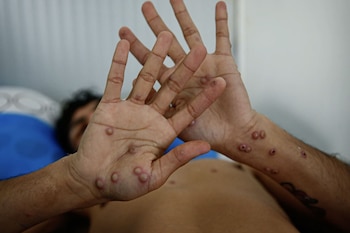
World Health Organization Lifts MPOX Emergency Status
The general director of the World Health Organization (WHO), Tedros Adhanom Ghebreyesus, recently announced the lifting of the international health emergency status, declared in response to the Mpox virus (also known as monkeypox). This decision comes after more than a year of intense global monitoring and response. Despite the positive trend indicating a decrease in both cases and deaths, the WHO emphasizes that the threat is not entirely over and that vigilant surveillance must be maintained.
The decision to end the emergency status is predicated on the observable decline in cases and fatalities in several nations, including the Democratic Republic of the Congo, Burundi, Sierra Leone, and Uganda. Tedros noted the importance of this sustained reduction as a sign of better control over the MPOX virus.
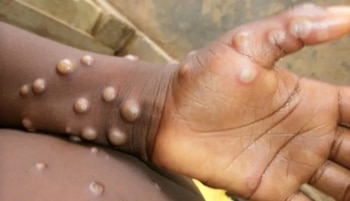
During the announcement, Tedros emphasized that the scientific and epidemiological understanding of the virus has improved significantly, shedding light on transmission methods, potential risk factors, and complications that could arise. This knowledge has led to more robust response mechanisms in affected countries, enhancing their capacities in detection, treatment, and care.
However, Tedros cautioned against complacency, stating that “lifting the emergency declaration does not mean that the threat is over.” The WHO and other health authorities are still monitoring the situation closely. He pointed out that it is crucial for nations to remain vigilant, especially as the virus continues to circulate in various regions, necessitating ongoing monitoring and international collaboration to prevent further outbreaks.
Since the initial emergency declaration, the WHO has recorded a total of 34,386 cases and 138 deaths associated with MPOX across 84 countries. Alarmingly, 21 of these nations have reported continuous transmission in the last six weeks, indicating that the risk persists . Variants of the virus have been identified across regions; Clado Iib , primarily found in West Africa, and Clado Ib , present in Eastern Africa, are among them. This genetic diversity necessitates rigorous epidemiological surveillance and tailored response strategies according to regional contexts.

On August 20, the WHO extended for another twelve months its recommendations aimed at Member States. These guidelines emphasize the need to enhance surveillance systems, ensure diagnostic tests are readily available, provide adequate medical care, and protect vulnerable populations.
While the global situation indicates improvement, the WHO has reiterated the high risk in Africa, where the majority of cases and fatalities are reported. The agency underscores that international cooperation, investment in health systems, and preparedness are fundamental to preventing new outbreaks. The lifting of the international emergency by the MPOX virus serves as a significant advancement in the global health response while reminding us of the constant attention emerging diseases demand.