
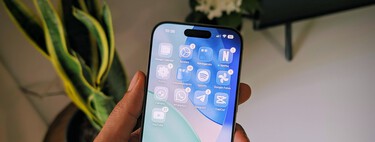
“Nena, look at the mobile phone that I don’t know what happened that everything has changed. I can’t find anything,” said my mother just a few days ago. I looked at my mobile and understood what was happening, Your mobile had been updated. They are two very different realities: what would be a reason for joy for me is an awkward moment for her. This has made me consider that there are enough reasons for updates to not always be something positive. What if you are right?
When updates are a nuisance
In my family, they turn to me when they need to be configured by a device; I am somewhat of “the techie niece.” It is not the first time that an update causes bewilderment among my relatives, especially the older ones. Every time a new one arrives, especially with a major update of Android, I know that a good time is awaiting me filled with remarks like, “I had that otherwise,” and “you have changed everything.”
Even if there are more elderly individuals connected today, the generational digital divide is a reality. In the case of my parents, they manage quite well when navigating different devices, but their kryptonite is unexpected changes, particularly in technology.
When the mobile is updated, the design of the icons or the arrangement of the menus changes, causing a rupture in muscle memory. I have experienced this myself when reorganizing my home screen and trying to open an app only to find it misplaced. I adapt quickly, but it is true that initially, it’s a nuisance. For my parents, taking time to learn the new interface and configure new functions feels like an unnecessary complication.
Beyond fear of change
There are people who avoid updates for other reasons. If history has taught us anything, it is that sometimes updating is not a good idea. There have been numerous cases of updates that have gone wrong. On the iPhone 15 Pro, Apple admitted that an iOS 17 bug was causing them to heat up more than normal, which was a serious concern for users. Moreover, another update resulted in unexpected iPhone restarts. Similar situations have happened with Android. For example, the update to One UI 6.1 did not favor some Samsung Galaxy models.
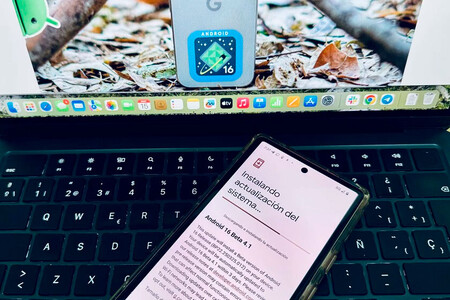
Image: Xataka Android
Then there’s the issue of older devices. In Android, while update support has improved markedly, lower-range devices usually receive updates for only about two years. This limitation makes sense because newer versions often demand more hardware capability, leading to performance declines and battery longevity issues. In fact, Apple faced controversy after admitting that they intentionally reduced the performance of older iPhones supposedly to help maintain battery life.
Many users choose to defer major updates until they are certain that there won’t be bugs like the previously mentioned issues. Moreover, some even avoid updating altogether. While this is not recommended since many updates include crucial security patches, a strong tendency to refrain from updates exists, not solely among older individuals.
The hype has been deflating
I recall several years ago we were constantly discussing the problem of Android fragmentation. Though it persists, it seems that it is no longer the overwhelming issue it once was. Manufacturers have improved their support significantly, and offering up to seven years of updates has become somewhat standard. Additionally, recent European legislation mandates that mobiles and tablets must be supported for at least five years.
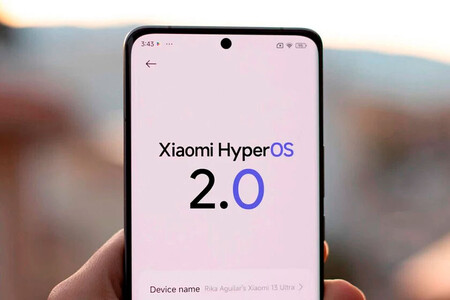
Image: Xataka Android
On the iOS side, the platform I’ve used for years has consistently provided a smooth user experience without fragmentation. However, there is a trend toward more frequent updates that lack significant changes. We have matured as users. The excitement to install the latest versions and customize our devices has diminished considerably.
Suddenly I’m my mother
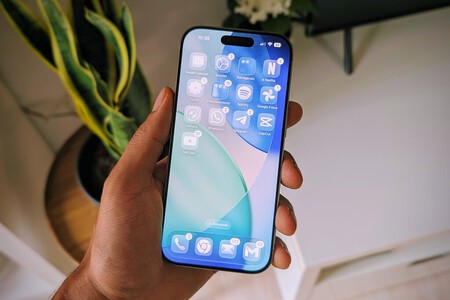
The Liquid Glass of the iOS interface 26. Image: Ricardo Aguilar for Xataka
Apple wants us to get excited again with iOS 26, which introduces the Liquid Glass interface representing the biggest design change in years. When I first saw it, it caused me rejection; I now feel that these transparent icons detract from the essence of what has always been iOS—raising concerns about readability.
Not long ago, I would have eagerly installed the beta version on my device. However, I opted not to this time. Upon reflection, I realize I don’t feel particularly excited about having to “learn” the new interface, just like my mother.
Cover image | Pexels
In Xataka | What real differences are there today, in the middle of 2024, between iOS and Android