
The Future of Robotics: Neura Robotics’ 4NE1 Humanoid Companion
At the recent IFA event in Berlin, we witnessed a remarkable advancement in humanoid robotics with the introduction of the 4NE1 by Neura Robotics . This innovative humanoid robot stands at an impressive 180 centimeters , weighs 80 kilograms , and carries a price tag of around 60,000 euros . The 4NE1 is slated for release in 2026 , positioning itself as a pioneering cognitive robot designed for everyday household tasks.
What Makes 4NE1 Special? Over recent years, we have seen a variety of robots showcasing diverse functionalities. However, there’s a noticeable shift towards domestic applications. While Tesla is set to launch their humanoid robot Optimus , Neura Robotics is making significant strides toward bringing 4NE1 into the homes of consumers.
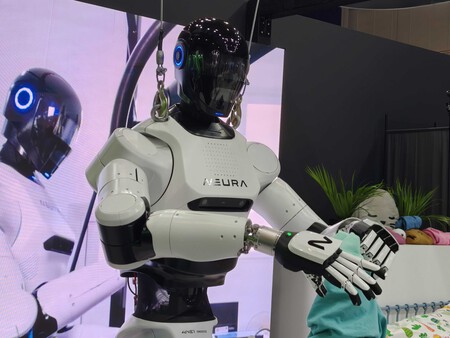
The 4NE1, currently in its third generation , boasts 55 degrees of freedom of movement, tactile artificial skin , and 360-degree vision . Notably, it can lift objects weighing up to 100 kilograms under specific conditions. Neura Robotics claims that this machine can perform household chores such as ironing , unloading the dishwasher, and transporting heavy objects while adapting to dynamic environments without requiring extensive programming.

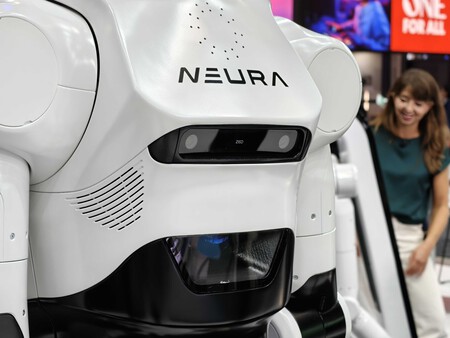
The Brain Behind the Machine – At the core of the 4NE1 is an advanced AI system based on NVIDIA’s GR00T model , coupled with Jetson processors for real-time computing. This robot operates on its proprietary Neuron OS and employs patented omnisensors equipped with seven cameras. These features enable it to distinguish between people and objects, recognize individuals, and adjust its actions to work collaboratively with humans. During its demonstration at IFA , while the robot seemed somewhat sluggish in executing tasks, its adaptability remains a key asset for future domestic environments.
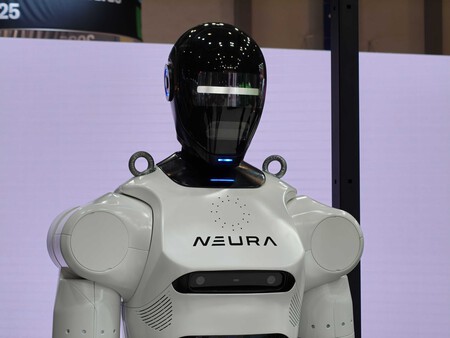
Beyond the Domestic Environment. While the domestic focus of 4NE1 is evident, its potential extends into industrial and service sectors . Recently, Hyundai showcased its construction capabilities, illustrating its versatility outside of household chores. The robot features a 24-hour autonomy supported by a smart battery system and can achieve speeds of up to 5 km/h .
An Ecosystem for All Robots. Central to Neura Robotics’ vision is Neuraverse , an open platform envisioned as an application store for robots. This ecosystem allows for the sharing of learning experiences among robots; what one robot learns can be shared across the network. Neura has partnered with Vodafone for 5G connectivity, alongside collaborations with SAP and NVIDIA , all aimed at enhancing this intelligent neural network.
Neura’s Ambition in Europe. The company’s objective is to sell five million units by 2030, positioning itself as a formidable competitor to Tesla’s Optimus. David Reger, CEO of Neura Robotics, confidently stated that they are “the first company to bring cognitive humanoid robots to the mass market.” He emphasized that Neura is revolutionizing robotics, akin to what the iPhone did for smartphones, and underscored the importance of trust within their global team.
It Will Not Be Cheap. The planned commercial launch in 2026 will serve as a critical test to gauge whether the market is prepared for a humanoid robot priced at 60,000 euros . The success of 4NE1 will hinge on various factors, not solely its technical competencies. User-friendliness and the effective operation of its applications ecosystem will significantly influence its acceptance. Time will reveal if the 4NE1 captivates the market or merely finds itself a niche.