
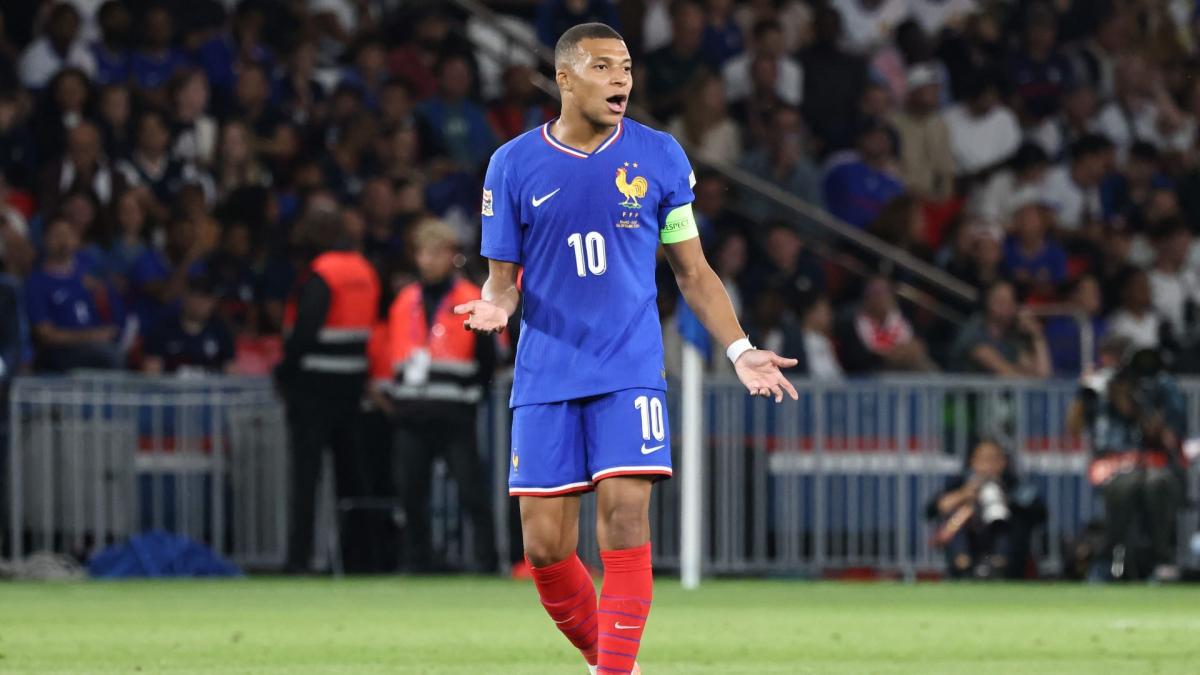
The Resilient Voice of Kylian Mbappé: Insights on Player Well-being and Workload Management
Kylian Mbappé, the captain of the French national team , continues to be a captivating figure both on and off the pitch. Ahead of the crucial World Cup playoff match scheduled against Ukraine on Friday at 8:45 p.m., Mbappé shared interesting views during a recent media briefing. His reflections on the demanding football calendar stand out, especially considering the growing concerns about player fatigue and physical toll. While many players have voiced concerns about the gruelling season schedules , Mbappé offers a fresh perspective that aligns with his laissez-faire attitude towards the ongoing discussions about workload management.
Mbappé’s Unique Stance on Player Durability
While fellow players like Jules Koundé have expressed the sentiment that “we are not machines,” Mbappé seems to embrace the challenge of a busy schedule. He notes that he and other top-level athletes are indeed subjected to *long seasons *. For instance, the recent Club World Cup required Real Madrid athletes, including Mbappé, to start their preparations as early as mid-July, well before many other clubs began their campaigns. He questions conventional wisdom surrounding endurance , saying, “I do not know if we are prepared for a season at 60 games. From my wise eye, I do not recall seeing a player who has performed exceptionally well throughout those 60 matches.” This acknowledgment of the grueling schedule makes us reconsider our expectations from players who are elite in their profession.
Rethinking Rest and Recovery
One of Mbappé’s most intriguing points pertains to the importance of rest . He emphasizes that it is not merely the volume of games that needs examination, but rather the rest phases between matches. “Are we playing too much? No. Earlier, I may have thought that, but my perspective has evolved.” He underscores that the conversation might be misguided—instead of focusing solely on the number of games played , the objective should be about enhancing recovery periods in between. “We have several international tournaments in the 2024/2025 season, and many teams are already scheduling friendly matches for 2025/2026. We must avoid a situation where players feel compelled to skip matches. Despite the intense pressure, we retain our passion for the game.” His thoughts reflect the nuanced complexities of being an elite athlete in the modern sports landscape .
The Public’s Perception of Player Earnings
Mbappé further delves into the public perception regarding professional footballers . Many fans see players making substantial amounts of money and thus expect them to perform unfailingly. He articulately points out, “People want us to play, and when they sit on their sofas, they remind us we earn a lot, which justifies our performance.” This heightened expectation can lead to undue stress on athletes, creating a vicious cycle of potentially compromised performance due to tired bodies. Mbappé stresses the importance of balancing financial gain with physical well-being. “The demand for games increases, but we also need to prioritize regenerating our bodies and adapting to the constant appearances .”
Finding a Compromise
Ultimately, Mbappé highlights that the conversation surrounding player welfare is not simply black and white. “This is a deaf debate where we find ourselves explaining our situations, yet the rhetoric often swings back to the idea that due to our earnings, we should not complain about the workload.” As the sport continues to evolve, striking a balance between fan expectations and the well-being of players is essential. The dialogue must extend beyond profit margins to consider the physical and mental health of athletes who ultimately make the game what it is.
In conclusion, Kylian Mbappé provides a refreshing take on the often-discussed topic of player workload. His insights challenge the traditional thinking surrounding football matches while emphasizing the need for recovery and the well-being of players. As football fans look to the future, it is crucial to advocate for a holistic approach that respects both the physical demands of the game and the passion that drives it.