
Dolby Vision 2: Revolutionizing HDR with Artificial Intelligence
The arrival of Dolby Vision 2, the latest generation of the Dolby HDR format, signifies a significant leap in the audiovisual industry. With the integration of artificial intelligence, notable enhancements in contrast, and increased creative control for filmmakers, this update promises to transform how viewers experience visual content.
This innovative update aims to optimize image quality based on ambient conditions and content specifics. It comes equipped with features tailored for both casual users and professionals in the film industry, making it an all-encompassing solution for modern viewing demands.
Dolby’s improved offering rectifies many limitations noted in its initial version. Notably, it introduces the revolutionary technology known as “Content Intelligence,” which pushes beyond traditional HDR standards.
This artificial intelligence-driven tool automatically adjusts image settings in real-time, taking into account the type of content being displayed, the lighting conditions within the room, and the unique technological capabilities of each television. Consequently, users can enjoy optimized images without needing to make any manual adjustments.
Common complaints regarding the excessive darkness in HDR scenes—especially noticeable in brightly lit environments or on mid-range televisions—have been addressed through the “Precision Black” feature. This innovation enhances clarity in dark scenes while preserving the artistic intent of creators.
Additionally, the “Light Sense” functionality adds another layer of precision by blending ambient light detection with original content data. This ensures that visuals are accurately represented in varying light conditions.
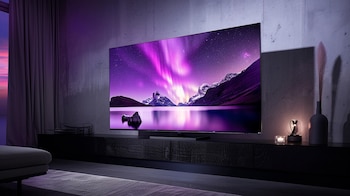
Standing out for the creative community, “Authentic Motion” allows filmmakers to finely tailor motion smoothing scene by scene, helping to alleviate the notorious “Judder” effect—characterized by slight image jumps. Dolby claims that this feature does not induce the often-criticized “soap opera effect” while simultaneously enhancing dynamic cues during playback.
Dolby Vision 2 is available in two formats, tailored to the diverse landscape of television technology. The Dolby Vision 2 Max edition specifically caters to high-end models, unlocking advanced capabilities such as bidirectional tone mapping to fully utilize displays that support high brightness levels.
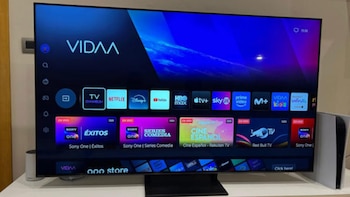
Meanwhile, the standard version democratizes many of these improvements, ensuring accessibility to a wider array of televisions, facilitating a gradual transition in the market landscape.
The initial implementations of this standard will be led by Hisense and the MediaTek Pentonic 800 processor with Miravision Pro technology. Additionally, Canal+ will be pioneering in applying Dolby Vision 2 compatibility for films, series, and live sports broadcasts.
With over 350 models from major brands, including LG, TCL, Sony, Hisense, and Xiaomi, already adapting to the first version, the rollout of Dolby Vision 2 is expected to progress steadily, gradually phasing out the previous standard in global markets.
The primary objective of this new proposal is to simplify the creative process for filmmakers, allowing them to ensure a faithful reproduction of their artistic vision on home screens.

Dolby Vision 1 previously established itself as a benchmark in HDR standards by delivering remarkable improvements in image quality for TVs, monitors, and compatible devices. Its key features include a wider color range and enhanced contrast, enabling viewers to discern finer details in both the darkest and brightest areas of the display.
This format utilizes dynamic metadata that adjusts visuals in each scene or frame, ensuring precision and fidelity to the creators’ original intent. Moreover, Dolby Vision 1 supports up to 12-bit color depth, surpassing the 10-bit limitation of competing standards, and can achieve maximum brightness levels of 10,000 nits, although actual values depend on specific hardware limitations.