
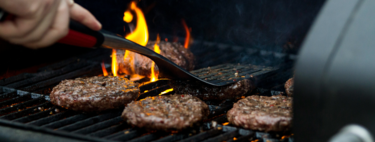
The Rise of Carnivore Babies: A Closer Look at the Meat-Heavy Diet for Infants
When little Schizandra , daughter of Dariya Quenneville, turned six months old, it was time to introduce solid foods . Instead of the typical apple puree or banana porridge, her first foods included raw egg yolk and chicken liver puree . Later, she tried sardines , butter , and even bone broth ice cream . This unconventional diet is becoming part of a growing phenomenon: the rise of carnivore babies .
A Booming Trend
A report for The Wall Street Journal reveals that more and more parents are documenting how their babies consume bone marrow and gnaw on meat ribs . Influenced by various doctors and social media influencers , parents are increasingly sharing their carnivorous feeding journeys on platforms such as YouTube, where channels boast hundreds of thousands of followers. In Facebook groups with names like Carnivore Motherhood , tips on preparing bone broth or serving organs such as beef tongue and heart for little ones are widely exchanged.
For Quenneville, who resides in Ontario and teaches survival techniques , feeding her daughter this way makes logical sense. “I believe that butter fat and meat will help my baby sleep better,” she stated. Another mother, Lorraine Bonkowski , a registered dietitian from Michigan, initially had her doubts. However, after being swayed by online videos, she now feeds her adopted daughter, Isabella, bone broth and even gives her meat chops. “If it makes sense for adults, why not for children?” she questions.
Influencers in the Movement
In Tennessee, nurse Neisha Salas-Berry and her husband, Dr. Ken Berry , are significant figures in this movement. They maintain that their children, Bonnie and Beckett , learned to eat meat first, above all else . During family outings, the kids snack on chicharrones , which Beckett lovingly refers to as “cookies,” alongside expensive carnivorous bars priced at $95 per box. “My daughter calls them sweet meat,” Neisha shared with The Wall Street Journal.
The Expert Opinions
Experts have begun to weigh in on this evolving dietary trend. The introduction of meat in infant diets is not inherently odd. Both the American Academy of Pediatrics and the World Health Organization assert that starting from six months of age, babies should consume foods rich in iron and zinc . Meat naturally provides these essential minerals, making it a vital component in infant nutrition.
However, pediatrician Mark Corkins from the University of Tennessee has raised significant concerns. He warns that “babies require vitamin C and fiber for proper development of connective tissue and gut microbiome—nutrients that are devoid in strict carnivorous diets.”
Preparation and Safety
On a practical note, experts from Healthline recommend cooking meat thoroughly—never serving it raw or undercooked. They also advise avoiding processed meats like sausages or bacon due to high additive levels. Meat is an excellent source of Hemo Iron , which is easily absorbed, along with high-quality proteins, vitamin B12 , and zinc , all crucial for growth during early development.
The Specialized Solid Starts portal offers extensive guidelines for serving different cuts of meat, such as ribs or fillets , to babies. The site recommends using bones for teething at six months and introducing well-cooked meat strips as part of the Baby-Led Weaning approach, ensuring any loose fat or cartilage is eliminated to minimize choking hazards.
The Opposing Perspective
In sharp contrast, some families are embracing vegetarianism and veganism for their children. These dietary preferences are also gaining momentum, necessitating careful monitoring to prevent nutritional deficits . Although infants universally consume breast milk or formula until six months, vegan families may resort to specialized formulas based on soy or rice to meet their babies’ nutritional needs.
By six months, protein intake in vegan babies comes from finely ground legumes , nuts , and seeds , as well as entirely plant-based sources like tofu and tempeh . Most specialists agree on one crucial point: vegan infants require a vitamin B12 supplement when solids are introduced.
Finding Balance
Amidst the polarization between a diet dominated by meat and one strictly vegan, many experts advocate for a middle ground: variety and balance . Professor Steven Abrams from the University of Texas emphasizes that, while meat is essential for iron and zinc, young children also need fiber, antioxidants , and polyphenols found in fruits and vegetables. “Restrictive diets in young children are not the way to go,” he cautions.
In Spain, the trend of introducing meat to infants is gradual yet settled. Recommendations suggest starting with white meats at six months, typically alongside vegetables. The Mediterranean diet reinforces the notion of presenting meat not as the main course but rather as a complementary element alongside grains, vegetables, and fruits.
The Ongoing Debate
As children navigate through diets featuring everything from lamb bones to lentil purees, feeding practices are triggering cultural, scientific, and even ideological debates. While some parents claim that a meat-heavy diet is “biologically appropriate,” others explore vegan options with meticulous nutrient planning. Ultimately, official guidelines in both the US and Spain stress that the essential factor is not whether the first solid food is meat or a vegetable, but ensuring that children receive a varied, safe , and nutritionally adequate diet tailored to their growth needs.